Skip to content

How to Choose the Best Youth Golf Clubs for Kids?

Choosing the best youth golf clubs starts with the child, not the color or brand on the bag. Height, strength, age, and swing speed all influence how a club feels and performs. A club that is too long can drag behind a young golfer; one that is too heavy may make a balanced swing difficult. PGA Master Professional Jim Suttie’s fitting philosophy can be summed up this way: “Choose clubs that support a player’s natural motion, rather than forcing a new one.” This is a paraphrase, not a direct quotation.

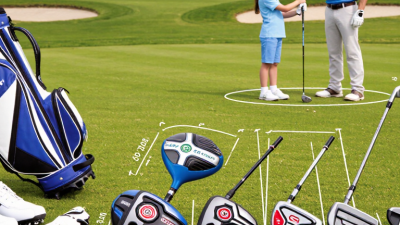
The right youth golf clubs should let a child stand comfortably, hold the grip without strain, and swing with control. Picture a young player addressing the ball: the clubhead rests near the ground, the arms hang naturally, and the backswing does not look like a wrestling match. That small test can reveal more than an age label. Growth can also change the fit quickly, so check club length and weight as your child develops. A perfect fit today may not last.

Look for a lightweight set with forgiving clubheads and a manageable number of clubs. More is not always better. A putter, a few irons, and a driver or fairway club may be enough for early practice. Have the child try clubs, if possible, and watch for comfortable contact rather than impressive distance. Results vary, and a quick fitting cannot predict every future swing. Still, thoughtful choices can make practice feel easier and more rewarding—and leave room for the child to grow into the game.
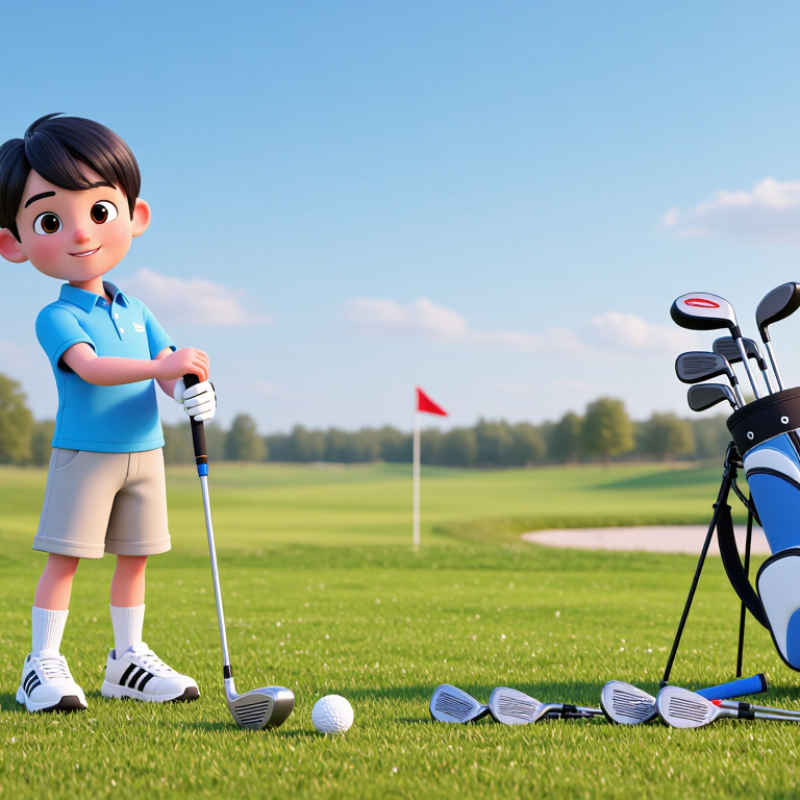
How to Choose the Best Youth Golf Clubs for Kids?

Understanding Youth Golf Club Types and Their Purpose

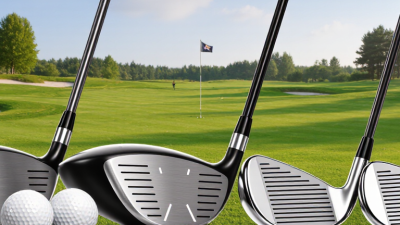
Youth golf clubs work best when each club has a clear job and feels manageable in a child’s hands. A driver helps launch the ball from a tee, while a fairway wood can cover distance from the grass. Hybrids combine features of woods and irons, making them useful when a child struggles with long irons. They are not magic, though. Contact still takes practice.

Shorter irons help with controlled shots toward the green. Wedges are designed for higher, shorter shots around the green or out of light rough. A putter is used on the green, where balance and a comfortable grip can matter more than distance. For many beginners, a small set with these useful options is easier to learn than a full adult set. Less can help.

Check club length, weight, and grip size while the child stands naturally. If the club feels heavy or forces an awkward swing, the child may compensate without noticing. A fitting guide can narrow the choices, but it cannot capture every child’s comfort or changing growth. Let them take a few gentle practice swings. Their first choice may be imperfect—and that is useful feedback.

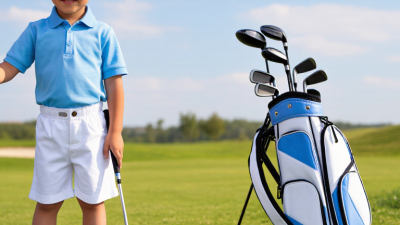
Measuring a Child for the Correct Club Length and Weight

A child’s height is only a starting point. Measure in golf shoes, standing naturally, then record height and the distance from the wrist crease to the floor. Repeat the wrist-to-floor measurement twice; children shift their posture without noticing. Compare both numbers with a youth-club fitting chart, but treat it as a screening tool, not a final answer. Club length is measured from the sole to the grip end. During a supervised test, check whether the child can address the ball without reaching or hunching.

Weight matters just as much. Have the child make several easy swings with the club, then watch for a balanced finish and steady contact. If the club pulls the hands down, or the child struggles to swing it smoothly, it may be too heavy. A club that is too light can also feel difficult to control. Small details matter. The National Golf Foundation’s 2024 industry reporting recorded about 3.4 million first-time on-course golfers in 2023, underscoring how many new players need beginner-friendly equipment. That figure does not prescribe a fit; a short hitting-bay test is more useful than age alone. I still find sizing imperfect: growth spurts can make a good fit temporary. Recheck length and swing control every few months, especially after a noticeable change in height.

How to Choose the Best Youth Golf Clubs for Kids

Approximate 7-iron length by child height

Use these lengths as a starting point, not a fixed fitting rule. Measure the child’s height and wrist-to-floor distance, then check that the club’s sole sits near the ground and the child can swing with control. Club weight has no universal height-based target: choose a club the child can lift and swing comfortably without straining.

Comparing Club Materials, Flex, and Grip Features

For youth golf clubs, material affects weight and feel. Graphite shafts are generally lighter than steel, which can help a child swing without fighting the club. But lighter is not automatically better. A club that feels unstable may make contact harder. The National Golf Foundation’s 2024 participation report estimated 3.4 million U.S. golfers aged 6–17 played on-course golf in 2023. That large range of ages is a reminder: children do not share one ideal setup. Fit the club to the child, not just their age.

Flex needs a real swing test. Labels such as “junior” or “regular” are not a universal measuring scale, so compare how the shaft loads and where the ball goes. A child who struggles to launch the ball may need a lighter, more flexible shaft, but poor contact can also come from club length. Grip size matters too: fingers should wrap comfortably without digging into the palm. Feel matters. Too thick, and small hands may lose control; too thin, and a child may squeeze hard. Have them hit several balls with relaxed hands. I would not trust one fitting session as a permanent answer; children grow, and my first choice may need revisiting within a season.

Matching Club Sets to a Child’s Age, Skill, and Playing Needs

How to Choose the Best Youth Golf Clubs for Kids?

A child’s age offers a useful starting point, but height and strength matter more when checking club fit. Have your child stand naturally and hold a club. The head should rest near the ground without forcing an awkward posture. A club that is too long can encourage poor contact; one that is too heavy may tire small hands. Comfort matters. Growth spurts can change the fit quickly, so check again during the season.

Match the set to your child’s current skills and typical play. Beginners often need only a few forgiving clubs, such as a putter, a short iron, and a fairway club. A developing player may benefit from more options, but extra clubs are not automatically helpful. Look for manageable weight, a grip the child can hold securely, and a shaft suited to their swing speed. A golf instructor or club fitter can assess these details in person. Measurements help, but they do not tell the whole story.

Tips: Let your child make several easy swings before buying. Watch for strained shoulders or a grip that slips. Keep it simple. Ask which clubs they enjoy using, then choose a set that supports those needs without adding unnecessary weight.

Checking Fit, Durability, and Value Before Buying

Choosing youth golf clubs starts with fit, not age labels. Children grow at different rates, and a club that feels heavy can tire a young golfer quickly. Have the child take a normal stance and hold the club naturally. The grip should sit comfortably in the fingers, and the clubhead should reach the ground without forcing a deep bend. Ask for a few relaxed swings. A smooth motion and balanced finish matter more than a perfect-looking pose. A brief shop test helps, but it cannot show how the club feels after a full practice.

Durability counts, too. Junior clubs may meet range mats, car trunks, and the occasional dropped swing. Check that each clubhead feels secure and each grip stays in place under light pressure. Inspect the bag seams and zippers. Scratches are usually cosmetic; a loose clubhead is not. Ask about repair support and read the warranty exclusions. A long warranty sounds useful, but the details matter. It is easy to overvalue shiny finishes and overlook everyday wear.

Tips: Compare a few club lengths and let the child swing each one. Check the set contents against what they will actually use. A larger set is not automatically better value. Leave room for growth, but avoid clubs so long that the child must change their swing to manage them.

How to Choose the Best Youth Golf Clubs for Kids? - Checking Fit, Durability, and Value Before Buying

What to Check How to Assess It A Good Sign Possible Red Flag
Club length and fit Have the child stand naturally and try the club in a golf posture. Check that they can reach the ball comfortably without stretching, crouching excessively, or choking far down the grip. The child can set up in a balanced posture and swing without the club feeling awkward. Use height and an in-person test rather than age alone when choosing a size. Buying an oversized club “to grow into” can make it harder to control and may encourage poor posture.
Club weight Ask the child to make several smooth practice swings with each club. Watch for loss of balance, strained effort, or difficulty finishing the swing. The child can swing with control and maintain balance through the finish. A lighter junior club is generally easier for a child to handle than an adult club. A club that feels heavy or requires force can make a repeatable swing more difficult.
Grip size With the club held normally, check that the child can wrap their fingers around the grip without excessive squeezing or fingers digging into the palm. The grip feels secure and comfortable, with the hands able to hold the club without strain. A grip that is too large or too small can be uncomfortable and make it harder to hold the club consistently.
Set composition Match the number and types of clubs to the child’s experience and how they will play. Beginners usually benefit more from a few easy-to-use clubs than from a large, complex set. The set includes useful basics, such as a putter and clubs for shorter and longer shots, without unnecessary duplicates. Paying for clubs the child is unlikely to use adds cost and can make the set harder to manage.
Clubhead condition For a new or pre-owned set, inspect the clubface, sole, hosel, and edges for cracks, deep dents, loose parts, or unusual movement. Clubheads are secure, with no structural damage. Normal cosmetic marks on used clubs do not necessarily affect play. Cracks, a loose head, or visible damage near the hosel are reasons to avoid the club.
Shaft and assembly Check shafts for bends, cracks, or splintering, and make sure each head is firmly attached. For used clubs, ask about repairs or prior damage. Shafts appear straight and intact, and the clubhead does not twist or move when handled. A damaged shaft or loose clubhead can affect safe, reliable use.
Durability for regular use Consider how often the child will practise and whether the clubs will be carried, stored, and transported carefully. Look for a sturdy bag and secure club dividers if included. The clubs and bag suit the child’s expected use, and any care or warranty information is clear. Do not assume every set has the same warranty or replacement coverage; check the seller’s written terms.
Room to grow Compare the current fit with the child’s likely growth and practise schedule. Recheck length and comfort as the child grows or their swing changes. The clubs fit now, and the family has a realistic plan to reassess fit rather than relying on a set to last indefinitely. Choosing a club that is already too long or heavy may sacrifice present-day control for uncertain future use.
Total value Compare the full price, including bag and any necessary accessories, with the condition, fit, set contents, and expected use. For used clubs, inspect them in person when possible. The price reflects the clubs’ condition and the child can use the set comfortably. A well-fitting used set can be better value than a poorly fitting new one. A low price is not good value if clubs are damaged, unsuitable in size, or missing essential components.

Buying tip: Fit varies by child and by club design. If possible, let the child try the clubs before purchase and reassess the fit as they grow.