Skip to content

Top Golf Irons for Every Skill Level?

Choosing golf irons is less about buying the most expensive set and more about finding clubs you can control. A beginner may benefit from a wider sole and a larger face, while a confident ball-striker might prefer a compact head. But labels like “game improvement” only tell part of the story. Your swing, strike pattern, and comfort matter, too.

Club designer Tom Wishon is often quoted as saying, “There is no such thing as a standard golf club.” That idea matters when comparing irons: shaft weight, lie angle, and grip size can change how a club feels and performs. Fit matters. A few swings on a launch monitor can reveal useful patterns, but real shots on grass may tell a different story. I’ve seen tidy specifications look convincing on paper, then feel awkward at address.

This guide explores golf irons for different skill levels, from forgiving sets for newer players to options built for precision and feedback. It will consider feel, distance control, forgiveness, and value without treating any single model as right for everyone. Look for practical details: how a club behaves on a thin strike, whether its distance gaps make sense, and how it sits behind the ball. A ranking can help narrow the field, not make the decision for you. Some golfers may still choose the wrong set after careful research. That is worth admitting. Whenever possible, test several models with a qualified fitter before buying.
Top Golf Irons for Every Skill Level?

Classify Iron Designs: Blades, Players’ Cavity-Backs, and Game-Improvement Models

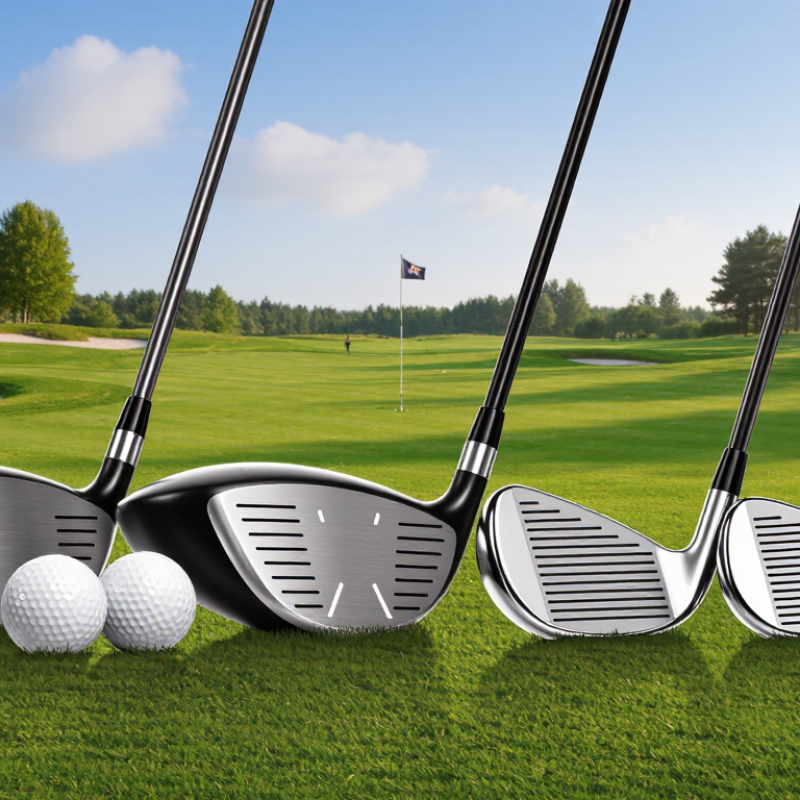
Blades, players’ cavity-backs, and game-improvement irons suit different kinds of contact. Blades have compact heads, thin toplines, and little perimeter weighting. They reward centered strikes with precise feedback, but mishits can lose distance and direction. Players’ cavity-backs add weight around the head’s edges, offering some forgiveness while preserving a compact look. They fit golfers who strike consistently but still want help on imperfect swings. Game-improvement irons usually have larger heads, wider soles, and more perimeter weighting. Their design can make launch easier and reduce the penalty for off-center contact.

Numbers need context. The R&A and USGA’s 2019 Distance Insights Report put average recreational driving distance at roughly 216 yards for men and 148 for women. Those are driver figures, not iron carry distances, so they cannot choose an iron category for you. They do show why tour-player standards are a poor fit for many golfers. Feel the difference on a launch monitor, then compare carry distance, launch, and dispersion across several strikes. My own fitting preference would still change if the turf were soft or the lie uneven. A tidy range result can mislead.

Tips: Test a blade, a players’ cavity-back, and a game-improvement iron using the same shaft and ball. Watch the worst shots, not only the best. If your misses fall short and right, extra forgiveness may matter more than a slim topline.

Match Forgiveness to Skill Using the WHS Handicap Index Range of 0.0–54.0

A WHS Handicap Index can help frame iron choices, but it does not measure every part of your swing. Two golfers with a 20.0 index may strike the ball very differently. One may hit the center often but struggle with distance control; another may miss toward the toe. Watch your own pattern.

At the lower end, roughly 0.0–9.9, consistent ball strikers may prefer irons that offer clearer feedback and predictable distance gaps. Forgiveness still matters. A thin strike on a cold morning can travel well short of the target. Test shots from turf, not only from a perfect mat.

Around 10.0–24.9, many players benefit from a wider sole and a larger sweet spot. These features can help preserve launch and carry when contact drifts across the face. Higher handicaps, roughly 25.0–54.0, may find added help with launch and off-center hits more useful than a compact look. Keep it simple. Try several shots with each club, noting carry distance and how often the ball stays airborne. The index ranges are guides, not rules; confidence and strike quality can matter more than a single number. And fitting sessions aren’t perfect—fatigue, nerves, or one unusually good swing can skew what seems like the right choice.

Compare 7-Iron Carry Benchmarks: 172 Yards on the PGA Tour and 141 on the LPGA

A 7-iron carry benchmark of 172 yards on the PGA Tour and 141 on the LPGA offers useful context, not a personal target. Tour players strike the ball consistently, and their numbers reflect specific swings, equipment, and playing conditions. Carry is the distance the ball travels through the air before landing. It does not include rollout.

For a recreational golfer, a 7-iron that carries 120 yards can be a better fit than one that reaches farther but lands unpredictably. Track several shots on a level range, and note the middle distance rather than the longest hit. Wind, temperature, and contact quality all matter.

That matters. A cool, damp morning may shorten carry, while a clean strike can add distance without changing the club.

Use the tour figures as reference points when comparing irons, not as proof that one club suits every skill level. A forgiving iron may help preserve distance on off-center strikes, but it cannot fix poor contact on its own. I’d also question a single-session result; even careful testing can be skewed by fatigue or a few unusually good swings. Record carry and dispersion together, then compare clubs using the same balls and similar conditions.

Fit Shaft, Lie Angle, and Distance Gaps with Launch-Monitor Measurements

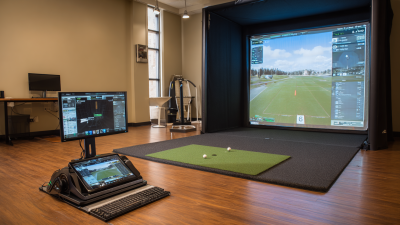
A good iron fitting starts with the swing you bring that day, not a chart of ideal numbers. Hit several shots with your current clubs, then compare a few shaft weights and flex profiles. Watch launch, spin, peak height, and carry distance on the monitor. Feel matters too. A shaft that produces tidy data but feels hard to control may not suit your normal swing.

Lie angle affects direction, especially when impact repeatedly favors one side of the clubface. Use face tape or a lie board alongside launch-monitor results, and check the pattern across multiple swings. One shot proves little. A small lie adjustment can help, but it cannot fix inconsistent contact or a path that changes from swing to swing. Fit the club to your pattern, not one perfect strike.

Distance gaps need the same careful testing. Record carry distances, not just total distance, for each iron. Look for overlaps or sudden jumps; a five-yard gap between two clubs may leave an awkward choice on the course. Test from a consistent surface, and repeat shots when possible. Indoor mats can hide turf interaction. I would not treat any single session as final, either—fatigue, temperature, and a slightly rushed swing can skew the numbers. A second check may reveal that the “best” setup was only best that afternoon.

Validate Iron Choices Through Dispersion, Strike Quality, and On-Course Testing

The best iron is not always the one that feels softest on a perfect strike. Compare several models using the same balls, target, and launch monitor settings. Record carry distance and dispersion, not just your longest shot. A tight grouping around the target often matters more than one impressive hit. Note strike quality, too: impact tape or face spray can show whether contact clusters near the center. Small details matter.

Test on grass when possible. Mats can hide heavy contact, while uneven lies reveal how an iron behaves beyond the range. Hit shots with each club in a consistent order, then revisit them after a short break. Track misses left and right, along with short and long results. Weather, fatigue, and inconsistent swings can skew the numbers, so treat one session as evidence, not a verdict. It is easy to favor a club after one lucky strike.

Tips: Write down carry, miss pattern, and strike location after each set. Try a few shots toward a real green, where a safe landing area may matter more than distance. If your notes conflict, repeat the test on another day.

Top Golf Irons for Every Skill Level? - Validate Iron Choices Through Dispersion, Strike Quality, and On-Course Testing

This comparison describes common iron-design categories, not specific products or a controlled product test. Performance varies with fit, delivery, ball, and conditions. Dispersion and strike-quality descriptions are typical tendencies, not measured results.

Iron Category Best-Fit Golfer Typical Design and Launch Strike Quality and Forgiveness Expected Dispersion Tendency What to Validate on the Course
Super game-improvement Beginners and golfers who regularly miss the center or need help getting the ball airborne. Usually a wide sole, substantial perimeter weighting, and a low center of gravity; commonly designed to launch easily. Off-center contact tends to lose less ball speed and distance than it would with a less-forgiving head. Strike feedback may be less distinct. Often helps reduce the distance penalty from mishits. Directional dispersion still depends heavily on face angle and swing path. Check whether ordinary misses still carry hazards and reach the intended part of the green. Note any unwanted left or right bias.
Game-improvement High- to mid-handicap golfers seeking a balance of launch assistance, distance consistency, and playable feel. Typically uses perimeter weighting and a moderately wide sole, with design features intended to support launch and speed retention. Provides meaningful help on imperfect strikes while making impact location somewhat easier to interpret than many oversized designs. Can tighten distance gaps on common mishits, but a strong directional miss is not corrected by head forgiveness alone. Compare front-to-back carry variation and left-right misses on approach shots from fairway and light rough lies.
Players-distance Mid-handicap golfers and stronger ball strikers who want added speed or a more compact appearance without moving to a traditional blade. Often combines a relatively compact profile with speed-enhancing construction; launch and spin characteristics vary considerably by design. Can deliver strong speed on centered contact, but some models show a greater performance drop on low-face or toe strikes than larger game-improvement heads. Distance may be less predictable when strike location varies. Check whether the extra speed produces useful carry rather than inconsistent long misses. Test approach shots into greens: record carry, stopping behavior, and whether long or short misses remain manageable.
Players cavity-back Low- to mid-handicap golfers who make reasonably consistent contact and value control and feedback. Generally has a more compact shape and less offset than game-improvement designs, with some perimeter weighting around the cavity. Centered strikes are easier to distinguish from mishits. Forgiveness is usually more limited than in larger, more heavily weighted heads. Can support predictable shot shaping for a consistent striker; mishits may produce larger distance and directional losses. Check whether normal misses still finish safely on the green or in a playable area, not only whether well-struck shots look good.
Muscle-back blade Highly consistent ball strikers who prioritize precise feedback and trajectory control over help on off-center contact. Typically has a compact head, thin sole, and limited perimeter weighting; demands careful matching of loft, shaft, and delivery. Provides clear feedback on strike location. Center contact can be rewarding, while mishits generally lose more speed and distance. Shot pattern can be controlled by a skilled player, but the smaller effective strike area can make ordinary dispersion wider for less consistent contact. Assess full-shot carry and green-holding ability across multiple rounds, including imperfect lies and pressure situations.

Practical validation: Compare clubs using the same ball and target. Record strike location, carry distance, and left-right result for repeated shots; then confirm performance on the course from realistic lies. Choose the category that produces the most playable pattern—not simply the longest single shot.