Top 10 Youth Golf Clubs for Global Buyers?
Choosing the right youth golf clubs is no longer a small retail decision. It affects comfort, confidence, swing development, and long-term participation. The R&A’s Global Golf Participation Report has reported more than 66 million golfers worldwide, showing the sport’s broad international reach. In the United States, the National Golf Foundation has recorded over 28 million on-course golfers, with junior engagement remaining an important growth opportunity. These figures suggest strong demand for equipment designed specifically for younger players.
This guide examines the Top 10 Youth Golf Clubs for Global Buyers? It considers club length, total weight, shaft flexibility, grip diameter, forgiveness, set composition, and age-to-height suitability. A lighter seven-iron should feel manageable, not tiring, after several practice swings. US Kids Golf fitting guidance also emphasizes height-based fitting rather than age alone, because two eight-year-olds may need very different specifications. That practical detail matters.
A ranking is never perfect.
Children grow quickly. Their swing speeds also change. The best choice today may need replacing next season. We therefore compare measurable features with real-world usability, including transport, durability, availability, and manufacturer support across markets. Product claims are checked against published specifications and recognized industry guidance where possible. Still, buyers should verify current sizing charts before ordering. This review aims to be useful, not infallible, and it leaves room for personal coaching advice, budget limits, and regional availability.
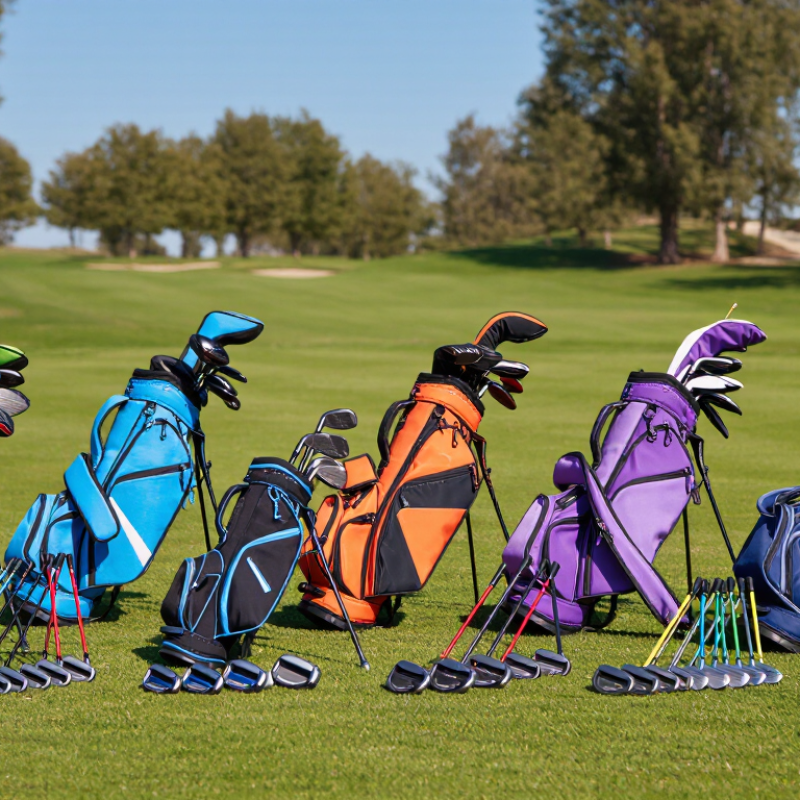
Youth Golf Clubs: Purpose, Design, and Target Age Groups
Top 10 Youth Golf Clubs for Global Buyers
Youth golf clubs are designed to make learning safer, lighter, and more enjoyable for developing players.
Their purpose is not simply to copy adult equipment. A child needs manageable weight, suitable length, and a grip that fits smaller hands. During coaching sessions, I have seen oversized clubs create tired swings and poor contact. The child often blames technique, although the equipment may be the real problem. This detail is easy to miss.
Design should match both height and strength, not age alone.
Shorter clubs support balance and control. Flexible shafts can help slower swings generate useful distance. Lighter clubheads reduce strain during repeated practice. A properly sized grip lets fingers wrap naturally without excessive pressure. Parents should inspect edges, shaft condition, and grip wear before every season. Basic maintenance matters. However, fitting advice can vary between instructors, and no chart replaces an in-person check.
Target age groups are helpful, but they are not strict rules.
Toddlers and early beginners may use plastic or highly lightweight training clubs. Children around five to eight often need short, forgiving sets for basic posture and contact. Players from eight to twelve may benefit from longer clubs as coordination improves. Teenagers usually require near-adult specifications, adjusted for height and swing speed. Growth can be uneven. A twelve-year-old may need a different setup from a taller fourteen-year-old. I would recheck length every six months, though busy families may forget.
How to Evaluate Club Length, Weight, Loft, and Shaft Flex
Top 10 Youth Golf Clubs for Global Buyers?
How to Evaluate Club Length, Weight, Loft, and Shaft Flex
Choosing among ten youth golf club options requires more than checking age labels. Measure the player’s height, wrist-to-floor distance, and current stance. A club should rest near the ground without forcing raised shoulders or bent wrists. Test it with a normal grip. Comfort matters.
Length affects contact and posture. Weight affects swing speed and control. A young player may handle a slightly heavier club, but only if the swing remains smooth. Loft deserves careful attention. Higher loft can help launch short irons and fairway clubs, especially for slower swings. Shaft flex should match strength and tempo, not just age. Flexible shafts may help some players, yet excessive bending can reduce accuracy. I once trusted a size chart too quickly, and the club felt awkward in real use. Measurements need judgment.
Tips:
Ask the child to make five relaxed swings. Watch balance, finish position, and strike location. Compare the same club with different lengths when possible. Youth equipment should allow room for growth, but excessive length can create poor habits. Check local fitting guidance and material specifications before buying internationally. A perfect choice on paper may still feel wrong. Let performance provide the final evidence.
Top 10 Youth Golf Clubs Compared by Features and Player Needs
Top 10 Youth Golf Clubs for Global Buyers
Choosing among ten youth golf club options requires more than checking age labels. Measure height, wrist-to-floor distance, swing speed, and hand size before comparing prices. A beginner half-set suits new players and reduces unnecessary weight. A lightweight graphite set helps smaller children create faster swings. An adjustable driver supports growing players, but excess loft settings can confuse beginners. A hybrid-focused set replaces difficult long irons with easier launch. A cavity-back iron set offers forgiveness on off-center strikes. Fit matters more.
A compact mallet putter can improve alignment for players who struggle on short greens. A left-handed set serves players who cannot comfortably use standard right-handed equipment. A growth-adjustable set may offer longer use, though poor adjustment can affect balance. An advanced tournament set benefits experienced juniors who need consistent distance gaps. Check shaft length, grip diameter, loft spacing, and total weight together. Feel matters. In coaching environments, I would test several swings before making a final choice. No ranking is perfect, because two players of the same age may need completely different specifications. Buyers should also verify measurement units, return policies, and competition rules in their region. A cheaper set can become expensive if it limits development or requires early replacement.
Safety, Comfort, Durability, and Fit for Growing Golfers
Top 10 Youth Golf Clubs for Global Buyers?
For growing golfers, safety begins with controlled weight and secure handling. The R&A’s Global Golf Participation Report 2023 recorded 66.6 million on-course golfers worldwide, showing the need for adaptable youth equipment. A suitable club should have a flexible shaft, a non-slip grip, and rounded edges. Avoid heads with cracks, loose parts, or sharp seams. Small hands need comfort, not extra force.
Fit matters more than appearance. Measure the child’s height, wrist-to-floor length, and current swing strength before buying. A club that is too long can change posture and encourage unsafe swings. A club that is too heavy may cause early fatigue. The R&A Golf and Health report notes that an 18-hole round can involve several miles of walking and thousands of steps. Lightweight equipment supports that demand. Still, size charts are imperfect. A short trial session can reveal more than a catalogue.
Durability should match real family use. Look for reinforced grips, corrosion-resistant heads, and shafts that tolerate repeated practice. Buyers in humid or coastal regions should inspect finish quality carefully. Washable grips are useful after sweaty sessions. My practical mistake would be choosing a set by age label alone. Children grow unevenly. Recheck fit every few months, especially when the club heel lifts or the golfer reaches awkwardly. Independent testing, clear material information, and warranty terms provide stronger evidence than promotional claims.
Buying Considerations for Global Buyers and International Use
Top 10 Youth Golf Clubs for Global Buyers?
Buying Considerations for Global Buyers and International Use
Choosing youth golf clubs for international use requires more than comparing prices. Measure the player’s height, wrist-to-floor length, and current swing speed. A club that is too long can encourage poor posture and strained movement. Shorter junior sets often improve control, especially for beginners. Shaft flex also matters. Lightweight graphite can help young players create speed without forcing the swing.
Check the set composition carefully. Some packages include a driver, fairway wood, hybrid, irons, wedge, and putter. Others omit useful clubs and add unnecessary accessories. Loft gaps should feel practical on the course. Grip diameter deserves attention too, because small hands need secure contact. I recommend requesting exact club lengths and total weights before ordering. Product charts are helpful, but they are not perfect.
International buyers should examine packaging, delivery conditions, return procedures, and available replacement parts. A padded box can prevent bent shafts during long transit. Confirm whether left-handed options are available before payment. Weather also affects durability; humid regions may require careful drying after play. Review materials, testing information, and age guidance from the seller. Independent fitting advice is valuable when measurements seem unclear. I have seen families choose by age alone, then replace clubs within months. That mistake is expensive. A modestly fitted set may serve a young golfer better than a larger, impressive package.
Top 10 Youth Golf Clubs for Global Buyers
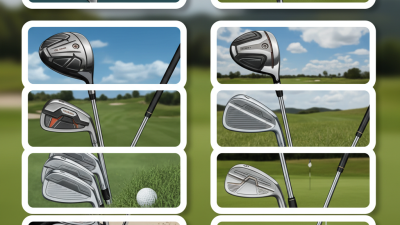
Representative lofts are shown for ten commonly considered youth golf club types. Loft affects launch height, distance gapping, and club selection; exact specifications vary by manufacturer and junior size category.
Buying considerations for international use: Match the club length and shaft flex to the junior golfer’s height and swing speed. Global buyers should also check metric sizing information, customs requirements, replacement availability, left- or right-hand configuration, and whether the loft gaps suit the rest of the set.