Skip to content

How to Choose the Best Junior Golf Clubs?

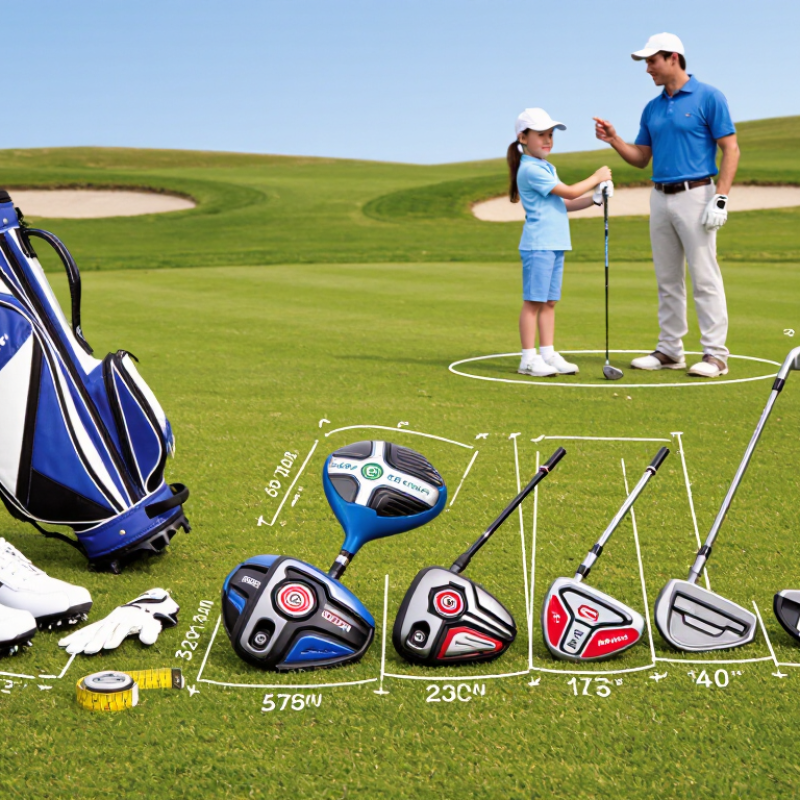
Choosing junior golf clubs is not simply a matter of finding the smallest adult set. A young golfer’s height, strength, swing speed, and confidence all affect the right fit. The correct clubs should feel light, balanced, and easy to control. When a child grips the club, the fingers should not press tightly into the palm. The clubhead should return without visible struggle. Small details matter.

This guide explains how to compare junior golf clubs by length, weight, loft, grip size, and set composition. A certified golf coach or qualified club fitter can confirm measurements when online charts disagree. Measure the child in golf shoes, then compare height and wrist-to-floor distance with the manufacturer’s chart. Avoid buying oversized clubs for future growth. They can create poor posture and slow learning. However, fitting is not perfectly scientific. Two children with identical heights may swing very differently. I would not pretend that one chart always gives the final answer.

We will examine when lightweight graphite shafts help, why flexible shafts can improve launch, and how loft affects distance control. Junior golfers often need fewer clubs, not a crowded bag. A driver, fairway club, hybrid, iron, wedge, and putter may provide enough variety for practice. Test clubs on grass when possible. Watch the child’s posture, contact, and facial expression. A reliable retailer should provide clear specifications and a practical return policy. This is not about premium logos. It is about comfort, control, and steady progress. Even good advice can miss something. Recheck the fit as the child grows.
How to Choose the Best Junior Golf Clubs?

Define the Junior Golfer’s Age, Height, Skill Level, and Playing Goals

Choosing junior golf clubs begins with the golfer, not the color or newest design. Age offers a rough starting point, but height usually gives a better fit. A seven-year-old may need different clubs from another seven-year-old. Measure from the floor to the golfer’s wrist while wearing normal golf shoes. Keep the number nearby. It prevents guesswork.

Skill level matters just as much. Beginners often benefit from lighter clubs, flexible shafts, and forgiving clubheads. These features can help a child swing smoothly and contact the ball. More experienced juniors may need a slightly heavier setup for better control and distance. Watch ten swings, not one. A single perfect shot can mislead you. Ask a qualified coach to check posture, grip, swing speed, and balance. I have seen children grow quickly, making a once-correct club feel awkward within months. Recheck the fit each season.

Playing goals should shape the final choice. A junior playing short practice rounds may need a simple, lightweight set. A tournament player may need carefully spaced lofts and suitable club lengths. Consider whether the child carries the bag, walks nine holes, or shares clubs during lessons. Comfort remains important. If the golfer loses balance or grips down excessively, the clubs may be too long or heavy. If contact feels cramped, they may be too short. Fit is not permanent. Children develop unevenly, and measurements can be imperfect. Observe real swings on grass, not only indoor mats.

Choose the Correct Club Length, Weight, Flex, and Grip Size

How to Choose the Best Junior Golf Clubs?

Club Length

Club length should match the child’s height, arm length, and current posture. A junior golfer should stand naturally, with the clubhead resting comfortably behind the ball. If the club is too long, the child may choke down or bend excessively. That can make a balanced swing difficult. A little room to grow is practical, but oversized clubs often slow learning.

I once watched a young player use an adult-length club, and every swing looked like a struggle.

Weight and Shaft Flex

Weight matters just as much. The child should lift the club easily and finish the swing without losing balance. A lighter club can improve control, but an extremely light one may feel unstable. Shaft flex also affects timing. Most junior players need a softer flex because their swing speed is still developing. However, age alone should not decide flex. Swing speed, strength, and tempo provide better evidence.

Tips

Test clubs indoors first. Let the child make several slow swings, then a few normal ones. Check whether the grip stays secure without squeezing tightly. The grip should fit comfortably in the fingers, leaving only a small gap near the palm. Thick grips can restrict hand action, while thin grips may encourage excessive pressure. Measure again every few months. Children grow unevenly, and a fitting that worked recently may already be imperfect.

Compare Junior Club Sets, Individual Clubs, and Essential Components

Choosing junior golf clubs starts with deciding between a complete set, individual clubs, and essential components. The National Golf Foundation’s 2024 Golf Participation Report recorded about 3.6 million junior on-course golfers in the United States during 2023. That growth makes correct sizing more important, not merely attractive packaging.

A junior club set usually offers matching woods, irons, a wedge, and a putter. It suits beginners who need consistent length and weight across the bag. Check the child’s height, wrist-to-floor measurement, swing speed, and strength. A set that feels heavy can create slow swings and poor contact. It may look impressive. That does not make it suitable.

Individual clubs work better when a young golfer already owns a useful set. Replace one short driver or add a higher-lofted wedge as skills develop. Focus on shaft length, total weight, lie angle, grip diameter, and loft. Components matter too. A softer grip can improve control, while correct loft helps launch the ball higher. The USGA’s Equipment Rules emphasize measurable club specifications, but junior fitting still requires observation. Watch the child swing five balls. Do not trust age labels alone. I still see parents choosing clubs for future growth. That decision often makes today’s practice harder. A small fitting error can become a stubborn swing habit.

How to Choose the Best Junior Golf Clubs? - Compare Junior Club Sets, Individual Clubs, and Essential Components

Option or Component Typical Contents Recommended Player Profile Main Advantages Possible Limitations Key Specifications to Check Overall Suitability
Complete Junior Club Set Usually includes a driver or fairway wood, hybrid, irons, wedge, putter, and a lightweight stand bag. Beginners and developing players who need several clubs at once. Provides a coordinated selection, simplifies purchasing, and normally costs less than buying every club separately. Club length, shaft flex, or loft may not perfectly match an individual child’s build and swing. Player height, wrist-to-floor measurement, total club weight, set makeup, and included bag quality. Excellent for most beginners
Half Junior Set Commonly contains a wood or hybrid, several irons, a wedge, and a putter. Young golfers who are starting lessons or playing shorter courses. Lighter to carry, less expensive, and easier for a child to manage than a full set. Fewer club choices can limit shot selection as the player improves. Gapping between lofts, club lengths, carry weight, and whether the set includes a useful short-game club. Very good for early development
Individual Driver A large-headed tee club designed to produce distance and forgiveness. Players who already have suitable short clubs and need a dedicated tee club. Can improve launch and confidence when the head is forgiving and the shaft is properly fitted. A driver that is too long or heavy can reduce control and encourage poor swing mechanics. Appropriate length, lightweight construction, loft, grip size, and head forgiveness. Useful after basic skills develop
Individual Fairway Wood A low-lofted wood intended for long shots from the fairway or tee. Intermediate juniors who can consistently contact the ball. Offers distance while generally being easier to control than a driver. Low-lofted models may be difficult to launch for players with slower swing speeds. Loft, sole width, face depth, shaft weight, and ease of launch. Best for developing players
Individual Hybrid A club combining characteristics of a wood and a long iron. Beginners through advanced juniors who need a versatile long-distance club. Typically provides easier launch and more forgiveness than a long iron. May overlap with an existing fairway wood or iron if loft spacing is not checked. Loft progression, head size, sole design, shaft length, and distance gap from other clubs. Excellent all-purpose choice
Junior Irons Usually a small group of cavity-back irons rather than a complete adult-style iron set. Players learning approach shots and improving ball-striking consistency. Perimeter weighting and wider soles can improve forgiveness on off-center hits. Too many irons can add unnecessary weight and create overlapping distances. Cavity-back design, sole width, offset, shaft length, lie angle, and set lofts. Essential for skill development
Wedge A higher-lofted club for chips, pitches, bunker shots, and short approaches. Any junior playing around greens or learning basic scoring skills. Supports short-game versatility and helps teach controlled distance and trajectory. A very high loft can be difficult to use if the player lacks basic contact skills. Loft, bounce, sole width, leading-edge shape, and manageable total weight. Important for scoring practice
Putter A short club designed for rolling the ball on the putting surface. Every junior golfer, regardless of age or experience. Proper length and balance can promote posture, alignment, and consistent distance control. An incorrectly fitted length may cause the child to stand too upright or bend excessively. Length, lie angle, head balance, alignment features, grip size, and head weight. Essential for every player
Shaft Flex and Weight The shaft’s flexibility and mass, which influence timing, launch, and club control. All junior golfers, with special attention to children changing height or strength quickly. A suitable shaft can make the club easier to swing and improve repeatable contact. Flex labels are not fully standardized, so two clubs with the same label may feel different. Actual shaft weight, length, flex profile, balance point, and the child’s swing speed. Critical fitting factor
Grip Size and Texture A smaller, lightweight grip sized for junior hands. Players whose hands do not comfortably fit standard adult grips. Supports a relaxed grip and reduces the need to squeeze the club tightly. Oversized or worn grips can restrict wrist movement and reduce control. Diameter, taper, material, tackiness, weather resistance, and hand comfort. Often overlooked but important
Club Length and Fit The measurement from the sole to the end of the grip, matched to the player’s body and setup. Every junior golfer, especially children between growth stages. Correct length improves posture, contact, balance, and swing confidence. Children may outgrow a perfectly fitted set, requiring periodic reassessment. Height, wrist-to-floor measurement, posture, arm length, and ability to sole the club naturally. Highest-priority measurement
Lightweight Stand Bag A compact golf bag with a stand, shoulder straps, and several club compartments. Players who walk during practice rounds or junior competitions. Encourages independent carrying and keeps the equipment organized. Very small bags may lack space for rain gear, balls, or extra layers. Empty weight, strap comfort, stand stability, waterproof features, and storage capacity. Recommended for walkers
Practical comparison guide: the best choice depends on the child’s height, strength, experience, swing speed, playing frequency, and expected growth. Recheck club fit as the player grows.

Evaluate Materials, Forgiveness, Adjustability, and Overall Club Quality

How to Choose the Best Junior Golf Clubs?

Choosing junior golf clubs starts with materials, not appearance. A lightweight graphite shaft can reduce fatigue during a long practice session. Stainless steel clubheads offer useful durability for frequent range use. Some heads include polymer inserts, which soften impact without adding much weight. Check the grip carefully. It should feel secure, but not oversized in smaller hands.

Forgiveness matters because young players rarely strike the center every time. A wide sole can slide through grass more easily. Perimeter weighting also helps maintain distance on off-center hits.

Test a seven-iron with several swings. Watch the ball flight, contact sound, and balance. Shorter clubs often improve control, although some children may outgrow them quickly. That trade-off deserves honest thought.

Adjustability can extend a club’s useful life. Loft or length settings may support gradual growth. However, extra mechanisms can add weight and create setup confusion. Keep the adjustment simple.

Overall quality appears in details: clean grooves, a firm ferrule, even paint, and a shaft without visible damage.

In fittings, I have seen attractive clubs perform poorly because their grips were too thick. I also once overvalued adjustability and ignored balance. That mistake reminded me to judge the complete club, not one feature.

A junior golfer should swing naturally, finish comfortably, and still want another shot.

Check Safety, Fit, Budget, and Future Growth Before Buying

How to Choose the Best Junior Golf Clubs?

Safety and fit should guide the purchase, not attractive colors or a low price. The National Golf Foundation reported about 28.1 million on-course golfers in the United States in 2023. More children are entering the sport, but adult-sized clubs can create poor control and unsafe swings. Check that the grip feels secure in a child’s hand. The clubhead should not feel heavy during a slow practice swing. Inspect rounded edges, loose ferrules, and damaged shafts before every session. A certified coach or qualified club fitter can measure height, wrist-to-floor length, strength, and swing speed.

Budget decisions need patience. The cheapest set may require replacement sooner, while an expensive set may become unsuitable after one growth spurt. The R&A’s Golf Around the World 2023 report recorded 66.6 million golfers worldwide, showing how widely the game is developing. However, participation does not justify buying professional-level equipment for a beginner. Consider a durable starter set, a sensible return policy, and access to replacement clubs. Used equipment can work well, but inspect it carefully.

Growth features sound useful. They are not always ideal. Adjustable lengths may add weight or loosen over time. A child needs clubs that fit today, with limited room for growth. Comfort matters more than future promises. I would recheck the fit every six months, though many families may forget. That small review can reveal poor posture, toe strikes, or a grip that has quietly become too large.