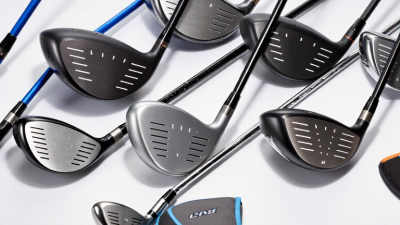
China is an important sourcing base for golf equipment, with manufacturers serving brands, distributors, and private-label programs. For global buyers, choosing a golf club supplier involves more than comparing unit prices or attractive product photos. Head materials, shaft options, grip fit, finish quality, and production consistency all shape the final product. A sample may feel balanced in hand, yet bulk orders can reveal differences in weight, paint, or assembly. Details matter. Start with samples. This guide introduces ten China-based manufacturers and the capabilities buyers may wish to examine. The companies differ in product range, customization depth, order scale, and communication practices.
Rather than treating any ranking as a guarantee, readers should use it as a starting point for supplier research. Ask for current catalogs, material specifications, sample policies, quality-control records, and realistic production timelines. Where possible, compare samples using the same shaft length, loft, lie, and grip configuration. That makes differences easier to assess. Confirm who handles design changes, tooling costs, packaging, and after-sales issues before placing an order. Independent testing and direct factory discussions can clarify claims that a website alone cannot verify. This article focuses on practical fit for global buyers, including OEM and customization needs. It also leaves room for caution: supplier information can change, and public details are sometimes incomplete. A careful conversation still matters.
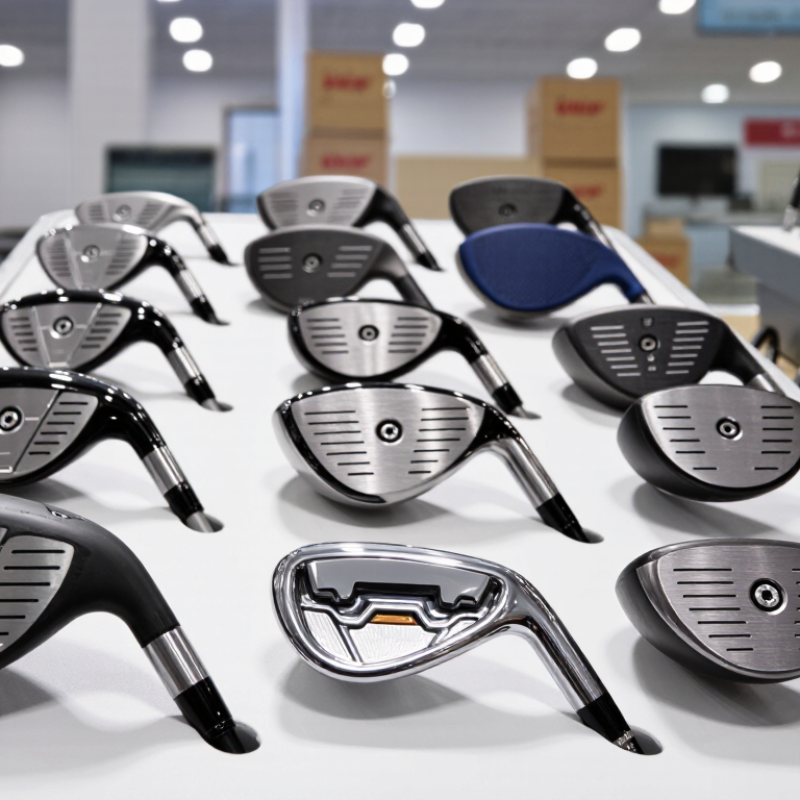
China’s golf club manufacturing landscape is built around specialized suppliers, not one uniform production model. Some factories focus on forged iron heads, while others handle cast heads, CNC finishing, shafts, grips, or final assembly. In coastal industrial regions, access to metalworking, tooling, and export logistics can shorten development cycles. A prototype may move from a CAD drawing to a finished head through machining, polishing, and repeated weight checks. Small details matter: hosel alignment, face thickness, groove consistency, and finish color can affect feel and appearance. Yet capabilities vary widely. A polished sample does not prove that every production batch will match it.
Global buyers should assess process control alongside price. Ask how suppliers record material grades, head weights, loft and lie angles, and inspection results. Request sample measurements, production tolerances, and a clear plan for handling defects before placing a larger order. For custom projects, confirm who manages the drawings and how revisions are approved. Factory visits or independent inspections can reveal practical issues, such as crowded workstations or inconsistent labeling, that brochures miss. Lead times also depend on tooling changes, component availability, and seasonal order volume. The supply chain can be efficient, but it is not automatically predictable. That matters. Buyers may need to revise specifications after testing clubs with real players; paper targets sometimes miss the feel of impact.
Choosing leading golf club manufacturers in China requires more than comparing catalog size or quoted prices. Buyers should examine engineering capability, production consistency, and clear evidence of quality controls. Ask whether the factory can provide clubhead prototypes, machining tolerances, shaft specifications, and realistic production lead times. Details matter. A useful sample set should include several clubs, not just one polished showpiece.
Check how quality is managed from incoming materials to final inspection. For clubheads, request recorded checks for weight, loft, lie, and finish. For shafts and grips, ask how flex, alignment, and fit are verified. Review inspection reports and, where practical, arrange an independent factory audit. Test samples. A good prototype does not guarantee that every unit in a large order will match it, so discuss batch records and defect handling before placing an order.
Export experience also matters. Confirm minimum order quantities, packaging options, communication response times, and the documents the supplier can provide for shipment. Contact customer references when available, and compare quoted lead times with the factory’s actual capacity. No scorecard captures every risk. A low price may look attractive, yet it can leave important questions unanswered; even a careful review may miss a production issue.
China’s golf-club manufacturing base serves buyers seeking different materials, processes, and order sizes. These ten profiles describe common supplier capabilities, not a verified ranking of named companies. One producer may specialize in forged iron heads, while another focuses on cast stainless-steel heads. A third makes titanium driver heads; a fourth offers precision CNC milling. Some factories develop putters with carefully weighted heads. Others supply shafts, grips, or complete club sets. Composite-material specialists can support lightweight designs. OEM and ODM teams help buyers refine specifications. Large assembly operations coordinate several components under one roof. Smaller workshops may offer closer communication, though capacity should be checked carefully. Capabilities vary, and a polished catalogue alone proves little.
Tips: Request current production photos, material specifications, and samples before placing a large order. Ask how the supplier checks head weight, loft, lie, and finish consistency. A sample can feel right yet differ from later batches. That gap deserves attention.
Compare suppliers using the same written requirements, including tolerances, packaging, and delivery expectations. Confirm which processes happen in-house and which are outsourced. Seek references or inspection records where available, and verify claims independently. Some profiles overlap; a factory may assemble clubs while sourcing heads elsewhere. That is not automatically a problem, but buyers should understand the arrangement before committing.
For global buyers, a useful comparison starts with the product range. Some Chinese manufacturers produce complete sets, while others focus on clubheads, shafts, or custom assemblies. Common options include drivers, fairway woods, hybrids, irons, wedges, and putters. Ask whether models support different lofts, shaft flexes, grip sizes, and handedness. These details matter. A broad catalog does not always mean every configuration is ready for production. Request current specifications, sample units, and clear information about minimum order quantities before planning a launch.
Production capability can vary considerably between factories. Ask how clubheads are made, how finishes are applied, and which assembly steps happen in-house. For a sample order, check dimensions, surface finish, swing weight, and consistency across several units. Small differences can affect play. They are easy to miss in photographs.
Export support also deserves close review: confirm carton details, lead times, sample charges, shipping options, and the documents supplied for your destination market. A responsive export team should explain delays and specification changes plainly. Sometimes, buyers assume that an attractive sample guarantees a smooth bulk order. It does not. Agree on inspection criteria and approval steps in writing before production begins.
A supplier profile is only a starting point. Global buyers should compare each manufacturer’s production scope with the exact club specifications they need. Ask for details on head materials, shaft options, grip components, finish, and permitted weight variation. Specific questions reveal more than a general claim of “high quality.” Details matter.
Request a sample made to the proposed production specification, then record its weight, dimensions, finish, and assembly consistency. Check that the quotation, drawings, sample, and purchase specifications describe the same product. Ask how the factory handles inspection, rejected parts, and changes to materials or processes. A polished sample alone proves little. It may not reflect routine production.
Verify business and quality documents directly with their issuers where possible, and request recent inspection records or references from comparable export orders. A video call can show workstations and packaging, but it cannot replace an independent factory visit or third-party inspection when order risk justifies the cost. Compare lead times, minimum quantities, payment milestones, and packaging details in writing. No single check guarantees a smooth order; documentation can be incomplete, and small defects may escape sampling. Keep a written record of unanswered questions, too. That step is easy to overlook.
| No. | Evaluation Dimension | What to Check | How to Verify |
|---|---|---|---|
| 1 | Factory Identity and Scope | Confirm the legal business entity, manufacturing address, and whether production is performed in-house or subcontracted. | Match the business license details with the quotation, contract, and factory address. Arrange a live video or on-site factory visit and ask to see the relevant production areas. |
| 2 | Product and Process Capability | Check experience with the specific club types and processes required, such as casting, forging, machining, finishing, assembly, or custom specifications. | Request process descriptions, production samples, and examples of comparable work. Confirm which steps are completed at the proposed facility and which are outsourced. |
| 3 | Materials and Traceability | Verify that material grades and component specifications match the buyer’s drawings and purchase requirements. | Request material declarations and, where appropriate, mill or batch certificates. Check that material records can be linked to production lots and finished goods. |
| 4 | Engineering and Customization | Assess the supplier’s ability to interpret drawings, manage revisions, and confirm tolerances, specifications, and tooling requirements before production. | Send a controlled drawing or specification and review the supplier’s written technical questions, feasibility feedback, and revision-control process. |
| 5 | Quality Management | Review documented inspection procedures, nonconformance handling, corrective actions, and controls at incoming, in-process, and final inspection stages. | Ask for a sample inspection record and a description of how defects are recorded and resolved. Verify any claimed management-system certification with its issuer and confirm its scope and validity. |
| 6 | Product Testing and Consistency | Agree on measurable acceptance criteria for the relevant product and components before placing a production order. | Review sample and pre-shipment inspection results against the agreed specification. Use an independent inspection or testing service when the order risk or buyer requirements justify it. |
| 7 | Sample and Approval Process | Confirm sample lead time, sample charges, approval stages, and how approved specifications will be carried into mass production. | Keep an approved, dated reference sample and signed specification. Document any permitted differences and require written approval for later changes. |
| 8 | Capacity and Delivery Planning | Evaluate stated production capacity, current workload, critical component lead times, and the supplier’s plan for schedule changes. | Request a production schedule tied to order quantity and key milestones. Compare promised lead times with sample progress and documented production updates. |
| 9 | Commercial and Export Readiness | Clarify quotation validity, minimum order quantity, payment terms, packaging, shipping responsibilities, and export documentation. | Compare itemized quotations and ensure the contract identifies product specifications, delivery terms, inspection arrangements, remedies, and the contracting legal entity. |
| 10 | Communication and Risk Controls | Assess response clarity, escalation contacts, change management, and the supplier’s approach to confidentiality and intellectual property. | Use a written question list and track response times and completeness. Put confidentiality, drawing access, tooling ownership, and approval requirements in the contract where applicable. |