How to Choose the Right Golf Shafts?
Choosing the right golf shafts starts with understanding how your club behaves in your hands. Shaft weight, flex, torque, and bend profile can influence feel, timing, launch, and control. None works alone. A lightweight shaft may feel easier to swing, yet it may not suit every player’s tempo. Flex labels also vary between manufacturers, so “regular” is not a universal measurement. Small details matter.
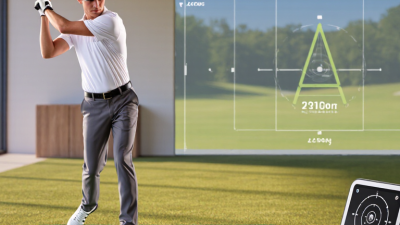
Start with your typical ball flight and the pattern of your misses. Do shots launch too high, curve sharply, or feel difficult to time? Swing speed can help narrow the options, but it cannot tell the whole story. A launch monitor may show useful changes in speed, launch, and spin; a qualified club fitter can help interpret them. Bring your current clubs and describe what feels comfortable. Then test a few suitable options, using the same clubhead and comparable conditions where possible. Pay attention to strike quality, not just the longest shot. One perfect swing proves very little. Even careful testing has limits: fatigue, inconsistent contact, and personal preference can affect results. The right choice should support repeatable swings, not promise a quick fix. Your ideal golf shafts may surprise you. That is worth checking.

Identify Your Swing Characteristics and Playing Needs
Choosing the right golf shaft starts with how you swing and what you want the ball to do. Swing speed matters, but it is only one clue. Tempo, transition, release, and strike location also affect how a shaft feels and performs. A quick, forceful transition may feel more controlled with a different profile than a smooth, gradual move. Flex labels can vary, so do not choose by the label alone. Watch your launch, spin, dispersion, and contact—not just distance. A high shot that curves sharply right may point to a different issue than a low shot that feels difficult to launch.
Tips: Try several shafts with the same clubhead. Note carry distance, direction, and feel. Keep the swings comfortable; forcing extra speed can muddy the results.
Your playing needs matter, too. If you value control on narrow holes, a predictable pattern may be more useful than a few extra yards. If you often play in wind, observe how your usual trajectory holds up. Test clubs on a launch monitor when possible, then confirm the feel outdoors. One session may not settle it. Fatigue, nerves, or a poor strike can skew the picture, and I would be cautious about treating one unusually good shot as proof. A qualified fitter can help interpret the data, but your comfort and repeatable contact should remain part of the decision.
Choose a Shaft Flex That Suits Your Swing
Shaft flex describes how much a shaft bends during the swing, but it is not a simple speed rating. Two golfers with similar clubhead speed may load the shaft differently because their tempo and transition differ. A quick change of direction can make a softer shaft feel unstable, while a smoother swing may work well with it. Feel matters. Pay attention to the club during the downswing, not just the number printed on a chart.
Watch the ball flight and the strike pattern when comparing flexes. If shots scatter widely or launch inconsistently, the shaft may not suit your delivery, though contact and technique can also be responsible. During a fitting, hit several shots with each option and note both distance and dispersion. A few unusually long shots can distort your impression. It is tempting to choose the stiffest shaft that still feels playable; that shortcut can cost comfort and control. I would treat flex charts as a starting point, not a verdict. Swing speed helps narrow the choices, but a qualified fitter can assess your tempo, launch, and impact patterns together.
Compare Shaft Weight, Length, and Balance
Shaft weight can change how a club feels before you notice any numbers on a launch monitor. A lighter shaft may help some golfers build speed, but it can also make timing less steady. A heavier option may feel calmer through impact, though repeated swings can become tiring. There is no universal best weight. Pay attention to your strike pattern and effort level, not just distance.
Length affects posture, contact, and control. A longer club may add reach, yet it can make the center of the face harder to find. Try several lengths with the same clubhead and note where impact marks gather. Small changes matter. A fitting mat can hide poor contact, so check your results from realistic lies too. I would not choose length from height alone; wrist-to-floor measurements help, but your setup and delivery matter as well.
Balance shapes how the club feels during the swing. Some shafts make the head feel more present, while others can feel easier to move, even at similar total weights. That sensation is useful, but it is not a measurement by itself. Compare clubs with similar heads, grips, and lengths, then watch both dispersion and fatigue across several shots. Feel the difference. If one setup feels smooth but scatters shots, the impression may be misleading; I have to remind myself of that, too.
Evaluate Shaft Materials and Torque
How to Choose the Right Golf Shafts?
Shaft material and torque influence how a club feels, but neither works alone. Steel shafts are often heavier and can offer a steady, connected feel through impact. Graphite is typically lighter and may reduce vibration, which can help players seeking easier speed or more comfort. Construction varies, so material alone cannot predict performance. A lighter shaft is not automatically better.
Torque describes how much a shaft resists twisting, commonly expressed in degrees. Lower torque may feel firmer, while higher torque can feel softer or more active. These are tendencies, not rules; shaft design and a player’s delivery also matter. During a fitting, compare similar shots with different shafts and note dispersion, launch, and comfort. A common mistake is choosing by feel alone. I’d still give feel a vote—it is useful, just not the whole verdict.
Tips: Test on a launch monitor, then hit real shots if possible. Keep the clubhead and swing consistent between trials. Record a few results, not just your best one. Small differences can be hard to judge, and even careful testing leaves some uncertainty.
Test Shaft Options for Fit and Performance
A shaft test works best when you compare a small set of options under the same conditions. Ask a qualified fitter to select candidates based on your tempo, delivery, and current ball flight. Then hit each shaft with the same clubhead, ball, and target. Keep warm-up swings separate. Small details matter.
Track carry distance, launch, spin, and shot dispersion, not just the longest result. A launch monitor can reveal patterns, but confirm them outdoors when possible. Notice how the shaft loads during your transition and whether the clubface feels manageable at impact. Feel counts. So does repeatability. If one option produces a great shot and several poor ones, it may not suit your game.
Test in short blocks, rotating options to limit fatigue and adjustment bias. Give each shaft enough swings, but stop when your tempo changes. Compare results with your normal club, not an idealized swing. Be honest: numbers can look convincing while timing feels awkward. That mismatch deserves another session, perhaps with a fitter observing your delivery. Choose the option that supports consistent contact and useful launch across ordinary swings.