How to Choose the Right Golf Club Set for Beginners?
Choosing a first golf club set can feel harder than learning your first swing. Store displays offer dozens of combinations, from compact half-sets to full bags with every club. Beginners do not need to own everything at once. The right golf club set should feel manageable, suit your body and budget, and support steady practice.
Start with the clubs you will use most: a driver or fairway wood, a hybrid, a few irons, wedges, and a putter. Forgiving club designs can help reduce the effects of off-center contact, while lighter shafts may be easier for some new players to swing. But “beginner-friendly” is not a guarantee. Your height, strength, swing speed, and comfort all affect what works. A club that looks impressive on a shelf may feel awkward after ten shots.
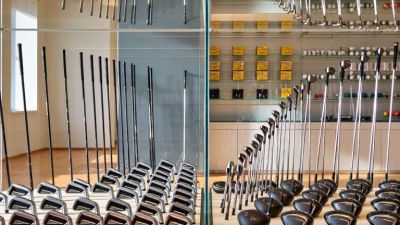
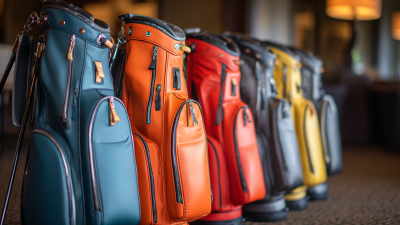
Before buying, compare complete sets with carefully chosen used clubs. Check the included bag, head covers, shaft material, and return policy. If possible, visit a golf shop or practice range and try a few options. Ask a qualified club fitter or teaching professional for advice, especially if standard-length clubs feel too long or short. Keep the first decision simple. You can add clubs later as your skills develop. I would not treat any checklist as perfect; a good choice still needs real swings, and beginners often change their minds after a few rounds. That is normal. The goal is not to predict every future need, but to find reliable clubs that make practice enjoyable and learning easier. Not always.

Understand the Roles of Clubs in a Beginner’s Set
A beginner’s set works best when every club has a clear job. The driver is designed for long tee shots, though its large head cannot fix a rushed swing. Use it when the hole offers room. On a narrow fairway, a shorter club may be easier to control. A fairway wood or hybrid can cover distance from the tee or grass. Hybrids often launch more easily than long irons, which can be difficult to use consistently.
Mid-irons help with approach shots from the fairway, while shorter irons offer more control near the green. A pitching wedge is useful for short shots that need height. A sand wedge can help from bunkers and soft ground, though technique matters more than the label on the club. Not every shot needs maximum distance. Beginners can learn a lot by noticing which clubs produce steady contact, even if the result is not perfect.
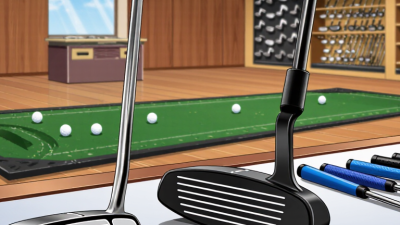
The putter is for rolling the ball across the green, where pace and direction matter more than power. A basic set does not need every possible club. Some sets replace hard-to-hit long irons with hybrids, and that can be a practical trade-off. The gaps between clubs matter, too: if two clubs travel nearly the same distance, one may add little value. A tidy set chart makes club roles look simple; choosing the right one under pressure can still feel awkward.
Assess Your Playing Goals, Budget, and Skill Level
Start with your playing goal. A beginner who wants relaxed weekend rounds needs different priorities from someone practicing twice weekly. For typical courses, a half set can reduce cost and make club choices less confusing. The USGA’s Rules of Golf limit players to 14 clubs during a round, but beginners rarely need that many. Keep it simple. Consider a driver, a forgiving fairway wood or hybrid, a few irons, a wedge, and a putter. The National Golf Foundation reported 26.6 million on-course golfers in the United States in 2023, in its Golf Participation Report. That broad participation suggests there is no single beginner profile—or one perfect set.
Set a budget before comparing clubs, and leave room for balls, a bag, and lessons. Used clubs can be sensible if their grips are sound and their shafts suit your height and strength. If possible, test a few options at a practice range; notice whether the club feels manageable, not merely powerful. Your skill level matters, too. New players often benefit from cavity-back irons and hybrids because they can be easier to launch than long irons. Still, equipment cannot fix every miss. I would question advice that promises instant distance. Fit is imperfect, and your preferences may change after a season. A basic fitting or advice from a qualified golf instructor can help prevent an expensive mismatch.
How to Choose the Right Golf Club Set for Beginners
Example beginner self-assessment: rate each factor from 1 (low priority) to 5 (high priority) to help guide your club-set choice.
This illustrative profile prioritizes affordability and forgiveness. Set a budget first, then look for forgiving clubs that suit your current skill level and playing goals.
Compare Clubhead Designs, Shaft Materials, and Flex
For a beginner, clubhead design can make off-center contact less punishing. Cavity-back irons move weight around the head, helping shots stay steadier when contact drifts toward the toe. A hybrid’s rounded head and wider sole can glide through light rough more easily than a long iron. Forgiveness helps. Still, a large head cannot fix a rushed swing. Try a few shots from a mat and, if possible, real grass; turf interaction can feel different.
Shaft material and flex shape the club’s feel and timing. Graphite shafts are often lighter, which may help some players swing faster or reduce fatigue during a long practice session. Steel shafts usually feel heavier and can offer clear feedback, but neither material is automatically better. Flex should match your swing speed and tempo, not just your age or height. If the shaft feels too stiff, the club may be hard to load; if it feels too soft, the face can feel difficult to control. I would not choose by a chart alone—it sounds tidy, but beginners’ swings change quickly. Test a few options and notice whether the ball launches comfortably without forcing extra effort.
Choose Suitable Club Length, Loft, and Grip Size
A beginner golf set should fit your body and swing, not just look complete. Club length affects posture and how the club meets the ground. If it is too long, you may stand too upright; if too short, you may bend excessively. Your height and wrist-to-floor measurement offer a useful starting point, but they do not tell the whole story. Try a few clubs and notice whether you can address the ball comfortably. Small details matter.
Loft influences how easily the ball launches and how far each club travels. Many beginners find higher-lofted fairway woods and hybrids easier to launch than long irons. With irons, look for clear distance gaps between clubs rather than a crowded set of similar options. A fitting session can help check those gaps, though a single test may not predict every swing on the course. That part can be frustrating.
Grip size matters, too. Hold the club with relaxed hands; your fingers should not dig sharply into your palm, and your grip should not feel hard to control. Hand measurements and glove size can guide a choice, but comfort is the better final check. I would not treat any chart as perfect. Ask a qualified fitter to assess length, lie, and grip together, then hit several shots before deciding.
Evaluate Set Composition, Condition, and Future Upgrades
A beginner set should cover the shots you face most often, not every possible situation. Look for a driver, a fairway wood or hybrid, several mid-irons, wedges, and a putter. A hybrid can be easier to launch than a long iron, especially from uneven grass. Keep the set manageable; carrying clubs you rarely use adds weight and confusion. Check the loft gaps, too. A large distance jump between clubs can leave awkward shots.
Condition matters as much as the club count. On a used set, inspect the clubfaces and grooves for heavy wear, and check shafts for dents or cracks. Grips should feel secure, not slick or hardened. Small cosmetic marks are usually less important than damage or poor fit. Compare the length and lie with your height and posture, and ask a qualified fitter if you are unsure. It is easy to overlook fit when a set looks like a bargain.
Plan upgrades around what your rounds reveal. Track which clubs you use and where distance gaps appear before replacing anything. A few lessons may expose a swing issue that new equipment will not fix. I once assumed a different wedge would solve inconsistent chips; practice helped more. Upgrade gradually, perhaps after several months of regular play, and keep clubs that still serve you well.