Skip to content

Why Is a Putter Important in Golf?

Golf is often decided far from the tee, on a small patch of grass near the hole. A powerful drive can create an opportunity, but it does not finish the job. The putter handles the final strokes, where speed, direction, and touch matter more than distance. A ball that rolls just a little too fast may pass the cup; one that slows too soon may stop short. Quiet work. Yet those small differences can shape a score across an entire round.

Understanding why the putter matters means looking beyond the club itself. Its flat face is designed to send the ball rolling along the green, and its length, grip, and balance can affect a golfer’s setup and stroke. Reading slope and judging distance also play important roles. A useful practice routine includes short putts for direction and longer ones for pace, with attention to how the ball responds on different surfaces. Technique helps, but it cannot make every read correct. Some days, a well-struck putt still misses. That is part of the game—and a reminder to review choices rather than blame every result on the club. For beginners and experienced players alike, learning to use a putter with care can build confidence where each stroke counts.
Why Is a Putter Important in Golf?

What a Putter Does and How It Differs from Other Golf Clubs

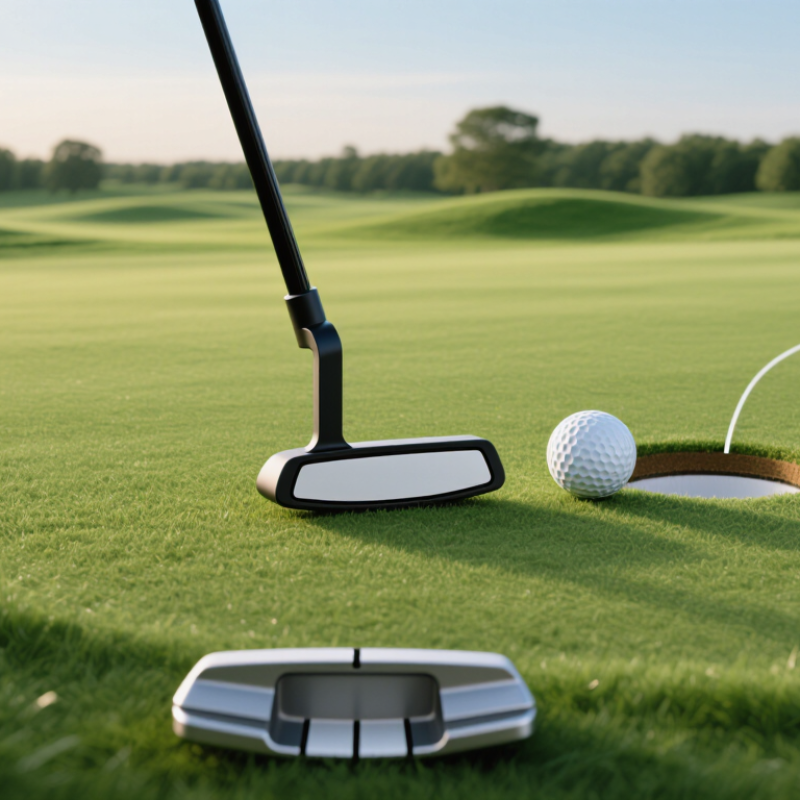
A putter is built to roll the ball toward the hole with a short, controlled stroke. Its face is usually much flatter than a wood or iron, with only modest loft. That design helps lift the ball slightly off the grass before it settles into a roll. The goal is not height or distance. It is pace and direction.

Woods and irons are designed to send the ball through the air, so their loft and swing motion differ. A putter is most often used on the green, though golfers may use it from closely trimmed fringe. At address, its flat face and alignment marks can help a player aim, but they do not guarantee a straight roll. Tiny changes in face angle matter. So does speed. A ball hit too firmly may pass the cup; one struck too softly can drift off line. It is easy to focus on aiming and forget pace. Even a well-aligned putt can miss when the stroke feels rushed, and reading a green remains partly uncertain.

Why Is a Putter Important in Golf? — What a Putter Does and How It Differs from Other Golf Clubs

Aspect Putter Other Golf Clubs Why It Matters
Primary purpose Designed mainly to roll the ball toward the hole with controlled speed and direction. Woods, hybrids, and irons are generally designed to launch the ball into the air and cover distance. Putting is a distinct task: golfers need precise pace and line rather than maximum distance.
Typical playing area Used most often on the putting green; it can also be useful from the fringe or other closely mown areas. Used from the tee, fairway, rough, bunkers, and other situations, depending on the club and shot. A putter helps golfers handle the final part of a hole, where small errors can leave the ball short or send it past the cup.
Loft and ball flight Typically has little loft, often around 2°–4°, to help start the ball rolling smoothly. Most other clubs have more loft, which helps lift the ball and shape its flight. Minimal loft supports a ground-based roll instead of the higher launch usually wanted for approach or distance shots.
Clubhead design Usually has a broad, relatively flat striking face and a head shaped for alignment and controlled contact. Clubhead designs vary to support different launch conditions, distances, and types of contact. A putter’s design gives golfers a clear visual reference for aiming and helps them make a measured stroke.
Swing motion Generally used with a compact, pendulum-like stroke and limited wrist action. Many other shots use a larger swing with more clubhead speed and a deliberate strike through the ball. A repeatable putting motion can improve distance control and help golfers start the ball on their intended line.
Main skills involved Reading the green, judging speed, aiming, and controlling the start direction. Depending on the shot, skills may include managing carry distance, trajectory, spin, and contact from varied lies. Putting rewards touch and accuracy. A well-struck putt can reduce the number of strokes needed to finish a hole.
Role in scoring Used for short, targeted strokes that can finish a hole once the ball reaches the green. Used to advance the ball toward the green, reach it from the tee, or recover from difficult positions. Because putting is needed to complete holes, practice with the putter is an important part of developing an all-around game.

How Putting Controls the Final Stroke on Each Hole

Putting controls the final stroke because every hole ends with a decision about pace and direction. A drive may cover hundreds of yards, but a missed three-foot putt still adds a stroke. PGA Tour ShotLink distance-based putting data shows the challenge clearly: professionals make about 80% of putts from five feet, but only around 40% from ten feet. Those figures are tour-level benchmarks, not expectations for recreational golfers. They show why a small change in distance can sharply alter the chance of finishing the hole.

On a real green, the putter must handle more than a straight line. A player reads the slope, chooses a starting point, and judges how firmly to roll the ball. Leave it short, and the next putt may face the same break; hit it too hard, and a comeback putt can become uncomfortable. Small details matter. Check the grass near the ball, notice the downhill side, then picture the ball stopping beside the cup. A repeatable routine helps, but it is not magic. Even careful golfers misread subtle slopes, and sometimes their “safe” pace is simply too timid. Practising putts from three, five, and ten feet makes these decisions more familiar, especially when pressure rises over the final stroke.

Why Putter Accuracy Has a Major Impact on Golf Scores

Why Is a Putter Important in Golf?

A putter matters because every hole ends on the green. A missed three-foot putt can erase a strong drive and a precise approach. Small errors add up. PGA TOUR ShotLink putting statistics show that tour players make only about half their putts from eight feet. At fifteen feet, the rate is closer to one in five. Even elite golfers miss often, so distance control matters as much as aiming.

Tips: On a practice green, place tees three, six, and nine feet from the cup. Roll five balls from each distance, and note where they finish. Focus on a steady pace, not a perfect-looking stroke. Keep a simple record; memory can be misleading.

Arccos Caddie’s Strokes Gained analysis also offers a useful way to examine putting: compare performance with golfers at a similar level, rather than judging one round alone. A practical goal is to leave long putts close and make short ones routine. Watch the first few feet of each roll; a ball that starts offline rarely finds the cup by luck. I still find pace harder to judge on fast greens. That is worth admitting: confidence can hide a repeated mistake. After a round, record three-putts and missed short putts, then practice the pattern you actually see.

How Putter Design Supports Distance and Direction Control

A putter’s design helps golfers control both the direction and pace of a roll. Its face meets the ball at close range, so small differences in alignment or contact can change the result. The head’s shape and alignment lines can make it easier to aim toward a chosen spot. They do not guarantee a straight putt. Aimed carefully, the putter still depends on a steady stroke.

Weight distribution also affects how the club feels through impact. A heavier head may feel more stable for some golfers, while another player may prefer a lighter response. The shaft length and lie angle influence posture and how the face sits behind the ball. Feel matters. On a practice green, try several putts from the same distance and watch how consistently the ball starts on line.

Distance control comes from matching stroke length and speed to the putt, with the putter’s balance and face helping deliver a repeatable strike. A soft or firm feel can change how clearly impact feedback comes through, but preference is personal. Even a well-fitted putter cannot correct every rushed stroke. That is easy to forget. If short putts start online but long putts finish far past the hole, adjust pace before changing your aim.

How Golfers Choose a Putter for Their Stroke and the Green

Why Is a Putter Important in Golf?

How Golfers Choose a Putter for Their Stroke and the Green

Choosing a putter starts with observing how the face moves through impact. Golfers with less face rotation often test face-balanced models, while greater rotation may suit some toe-hang designs. These are useful starting points, not rules. A short test on a flat indoor surface can hide problems that appear on sloping greens. Small details matter.

Length and lie affect posture, eye position, and whether the sole sits evenly behind the ball. Green speed matters too: a heavier-feeling head may help some players control pace, but personal testing beats assumptions. PGA TOUR ShotLink putting statistics for 2023 show tour players made roughly 80 percent of putts from five feet and about 40 percent from ten feet. Those figures underline how quickly accuracy changes with distance; they are tour benchmarks, not amateur expectations. Try putts from several distances on the course you usually play. Notice whether the ball starts on line and finishes near the cup. A fitting can still feel wrong after a few rushed strokes. That deserves another look.

Why Is a Putter Important in Golf?

How golfers choose a putter for their stroke and the green

Putter lengths of 32–36 inches are common options, not a measure of how many golfers use each size. The right fit supports a comfortable posture and a repeatable stroke. Green speed mainly changes how golfers manage pace, while a putter that feels easy to aim and control can help them adapt.