Skip to content

How to Choose the Best Golf Putters in 2026?

Choosing the best golf putters in 2026 requires more than comparing brands, prices, or tour-player endorsements. A putter sits in your hands for every green-side decision. Its face angle, head balance, alignment system, and grip shape can change how confidently you start the ball. The R&A’s Global Golf Participation Report highlights golf’s expanding worldwide audience, bringing more players with different skill levels and fitting needs. That growth makes simple, evidence-based equipment guidance increasingly important.

Retail trends support this shift. Golf Datatech and Circana equipment reports consistently show strong consumer interest in premium golf equipment, including technologically advanced putters. However, higher prices do not automatically produce better results. A beautifully milled head may feel too heavy. A high-MOI mallet may improve stability but distract a player who prefers a clean blade. Small details matter. The sound at impact matters. So does the distance between your eyes and the ball.

This guide will examine putter designs through practical testing, manufacturer specifications, and established fitting principles. It will compare blade and mallet shapes, face-insert materials, toe hang, shaft length, loft, and alignment aids. USGA equipment rules will also provide an important reliability check for conforming models. Still, no report can fully predict your stroke. That is the imperfect part. Your preferred putter may not match your putting statistics perfectly. A real green, a short miss, and a nervous three-footer often reveal more than a spreadsheet. The best choice should combine measurable performance with repeatable confidence.
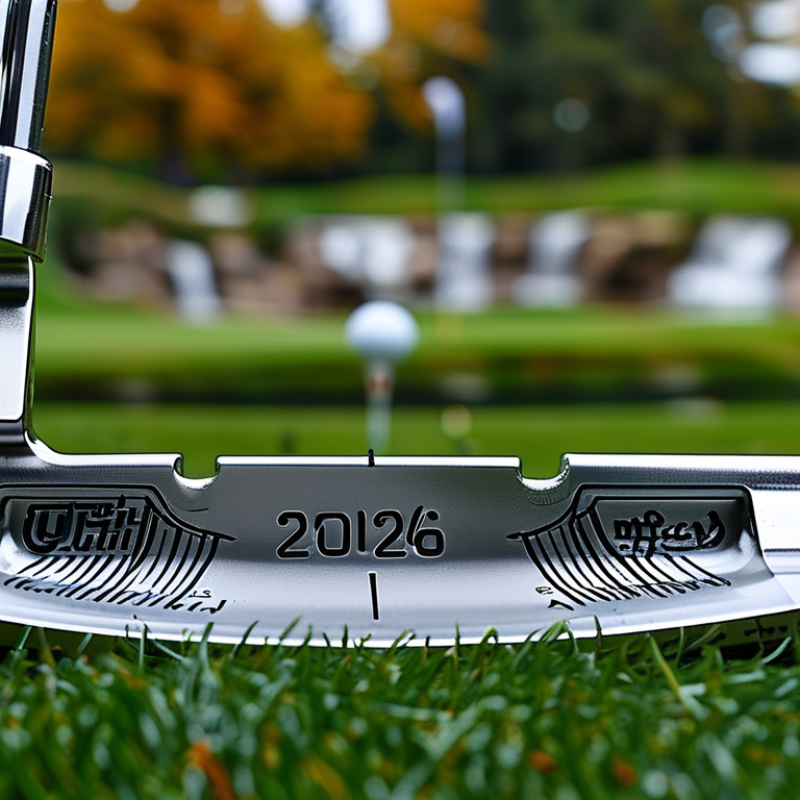
How to Choose the Best Golf Putters in 2026?

Understanding Putter Types and Their Design Differences

How to Choose the Best Golf Putters in 2026?

Understanding Putter Types and Their Design Differences

Choosing a putter begins with your stroke, not its appearance. A blade putter usually suits golfers with a noticeable arc. Its narrow head can provide clear feedback on off-center contact. I often feel more connected to the ball with this shape. However, that confidence can be misleading on fast greens.

A mallet putter offers a larger head and higher moment of inertia. This design can reduce twisting when impact moves away from the center. Many mallets also include strong alignment lines or contrasting shapes. They may help golfers who struggle to aim consistently. A mid-mallet sits between both designs and can feel less extreme.

Face balance and toe hang also matter. A face-balanced model generally matches a straighter putting stroke. Toe hang may better support a stroke that opens and closes the face. Check the hosel design, because it changes how the head rotates. Loft and lie angle deserve attention too. Incorrect settings can launch the ball unevenly or push it offline.

During practice, watch the first three feet after impact. The ball should roll smoothly, without a visible hop. Test several putter types from short and long distances. I once preferred a heavy mallet indoors, but it felt slow on real greens. That experience changed my fitting process. Comfort matters, yet measurable start direction matters more. Ask a qualified fitter to check both.

Matching Putter Features to Your Stroke and Setup

How to Choose the Best Golf Putters in 2026?

Matching putter features to your stroke begins with observation, not fashion. On a fitting mat, watch the face, path, strike, and starting line. A face-balanced head often suits a stroke with minimal rotation. Toe-hang can better support a stronger arc. This is a guide, not a verdict.

PGA TOUR ShotLink data shows make rates fall sharply, from roughly 80% at five feet to about 40% at ten feet. That gap makes face control and alignment more important than exotic materials. If your putts start left, test a head with less offset or a different visual alignment aid. If they start right, check your setup before changing the putter. Your eyes may be misleading you.

Length and lie deserve equal attention. Your eyes should sit comfortably over or slightly inside the ball, while the sole rests evenly on the ground. A putter that sits awkwardly can change your aim before the stroke begins. During testing, use your normal ball position and pressure. Test short putts first.

I still get this wrong sometimes.

Longer putts reveal distance control, especially with heavier heads or larger grips. The R&A and USGA Equipment Standards emphasize consistent club dimensions and performance limits, but legal does not mean suitable. Record start direction, strike location, and leave distance across several attempts. One perfect putt proves very little. A repeatable pattern tells you more.

Evaluating Length, Loft, Lie Angle, and Weight

How to Choose the Best Golf Putters in 2026?

Length changes posture, eye position, and the path of the putter. During fittings, I start with the golfer’s natural setup, not a preferred number. A putter should let the eyes sit comfortably over or slightly inside the ball. If the shaft feels too long, the hands may move away from the body. If it feels too short, the back can tighten. Small changes matter. My own first choice was too long, and I only noticed after repeated five-foot putts.

Loft controls how the ball leaves the face. Most players need enough loft to lift the ball from its slight depression on the green. Too much loft can create a small hop. Too little may produce a dull roll. Lie angle also deserves careful testing. A flat lie can point the face away from the intended line for some players, while an upright lie can create the opposite error. A fitter can check sole contact and impact marks rather than relying only on static measurements.

Weight affects stability, rhythm, and distance control. Heavier heads often feel steadier during a short stroke, while lighter heads may help players sense the clubhead. Neither option is automatically better. Test the putter from three feet, ten feet, and long range. Notice whether your pace remains consistent. Numbers help, but they can mislead when the stroke becomes tense. I still question my measurements when a putter performs well indoors but poorly on real greens.

Testing Feel, Alignment, Forgiveness, and Distance Control

How to Choose the Best Golf Putters in 2026?

Testing Feel, Alignment, Forgiveness, and Distance Control

Choosing a putter requires more than judging its appearance. I test feel on short putts, then repeat the drill from 30 and 50 feet. A soft response can feel comfortable, but it may hide poor contact. A firmer face often provides clearer feedback. My first reading is not always right.

Alignment deserves careful testing. Set the putter behind several balls without changing your routine. Check whether the sightline helps you aim naturally. Then observe the starting direction after impact. Forgiveness matters when contact moves toward the heel or toe. Use a simple gate drill and compare launch direction, roll, and distance. Some putters save poor strikes, but excessive forgiveness can reduce feedback. That trade-off deserves honest attention. Distance control also depends on tempo, grip pressure, and green speed, not only head design. I once blamed a putter for inconsistent pace, then discovered my backswing was changing.

Tips: Test indoors and outdoors when possible. Use the same ball, stroke length, and target distance. Record ten putts per test. Note feel, starting line, and final distance. Avoid choosing after one impressive putt. A reliable choice should repeat well, even when your stroke is slightly imperfect. Try it again tomorrow.

Comparing Performance, Fit, Quality, and Value in 2026

How to Choose the Best Golf Putters in 2026?

Choosing a golf putter in 2026 should begin with performance, not appearance. During a fitting session, test several head shapes on a real putting surface. Notice starting direction, distance control, and face stability after off-center strikes. A putter that feels smooth may still produce inconsistent results. Track both feedback and measurable data.

Fit depends on your stroke path, tempo, posture, and usual miss. Face-balanced designs can suit straighter strokes, while toe-weighted heads may support a gentle arc. Length and lie angle deserve equal attention. Your eyes should sit comfortably over the ball, not far inside it. Feel matters. A slightly firmer face may improve feedback, but personal preference can mislead you.

Quality involves face milling, head durability, grip construction, and alignment details. Inspect the sole, paint, and adjustment parts carefully. Small defects can become annoying after months of practice. Value is not the lowest price. Compare performance gains, fitting support, replacement policies, and long-term durability. A premium material cannot fix poor setup. No fitting method is perfect. Even launch-monitor numbers may change under pressure. Test the putter on short putts, long lag putts, and uneven greens. Do not rush. The best choice is the one that repeatedly starts the ball online and gives you confidence without forcing your stroke.