Skip to content

7 Best Womens Golf Clubs for Every Skill Level?

Choosing the right women's golf clubs is rarely about color, branding, or a lower price tag. It is about what happens after impact: a higher launch, steadier contact, and fewer balls fading into rough. A beginner may need forgiving irons with wide soles. An experienced player may prefer lighter woods, adjustable lofts, or a more responsive face.

Club designer Tom Wishon has said, “There is no such thing as a standard golfer.” That idea guides this selection. Every recommendation considers shaft flex, club weight, grip size, loft, forgiveness, and overall consistency. These details matter when a seven-iron feels heavy, or when a driver produces a weak slice instead of a confident flight.

Still, no list can predict every swing. Fitting changes the result. A golfer with a slower swing may launch a lighter graphite shaft more easily, while another player may lose control with the same setup. We also recognize an uncomfortable limitation: online specifications cannot replace hitting balls on a launch monitor or practice range.

This guide compares seven women's golf clubs sets and individual options for different skill levels, swing speeds, budgets, and playing goals. We examine real-world performance rather than relying only on manufacturer claims. Look for clear trade-offs, not exaggerated promises. The best choice should feel stable at address, comfortable through the swing, and useful on your actual course. Sometimes, the “perfect” club is simply the one you can swing repeatedly.
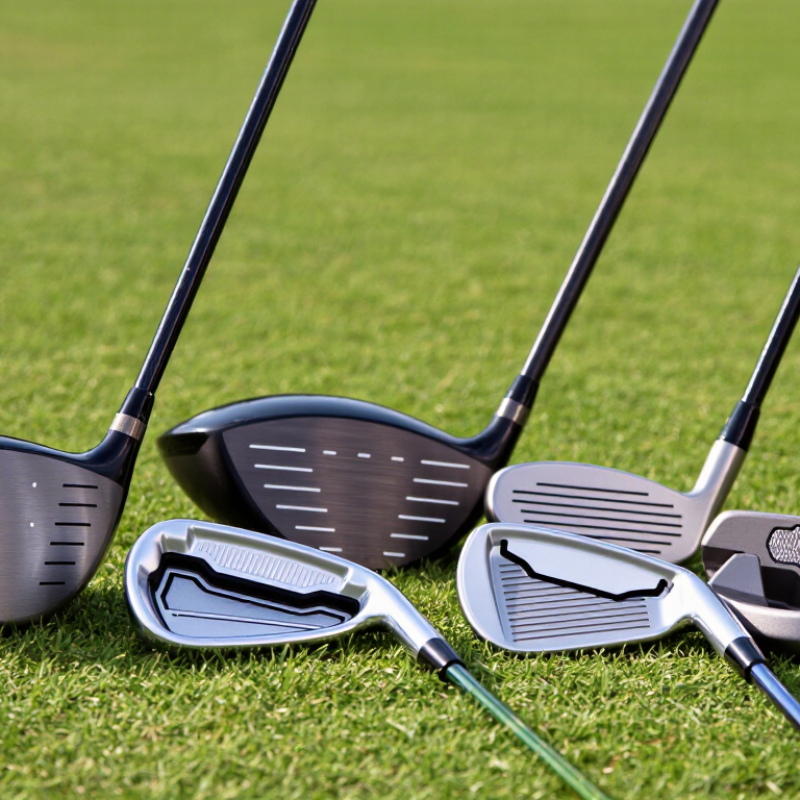
7 Best Womens Golf Clubs for Every Skill Level?

Understanding Women’s Golf Clubs and Their Key Features

Women’s golf clubs should be judged by fit, not color or marketing language. The R&A’s 2023 Global Golf Participation Report recorded 66.6 million on-course golfers worldwide. That growth makes one “women’s standard” unrealistic. A beginner may need a lighter club, but an experienced player may prefer a heavier shaft and stronger control.

Key features include shaft weight, flex, length, loft, grip size, and clubhead design. A lighter shaft can help create speed, yet too little weight may reduce stability. Higher-lofted woods and hybrids often launch the ball more easily from tight fairway grass. Cavity-back irons can protect distance on off-center strikes. They are not only for beginners. They can still suit a confident player.

USGA distance research, including its 2023 Distance Insights Report, emphasizes consistent gapping rather than chasing maximum distance. Check the yardage between each club. A 15-yard gap is usually more useful than two clubs producing nearly identical shots. Grip diameter also matters; a thick grip may quiet excessive hand action, while a narrow grip can improve feel. I once overvalued loft numbers. That was a mistake. Launch height and strike quality matter more. During a fitting, hit ten shots with each option and notice the misses, not just the longest ball. Fit matters more.

How to Choose Clubs for Different Skill Levels

7 Best Womens Golf Clubs for Every Skill Level?

How to Choose Clubs for Different Skill Levels

Beginners should choose clubs that make clean contact easier. A wider sole can slide across the turf instead of digging. Lightweight shafts may also reduce fatigue during a long practice session. Look for a forgiving driver, a cavity-back iron set, and a simple hybrid. These clubs help replace difficult long irons. Grip size matters too. A grip that feels too thick can limit wrist movement.

Intermediate golfers need more control without losing forgiveness. Their club selection should match swing speed, launch height, and common misses. A launch monitor can reveal whether shots fly too low or curve excessively. Softer-flex shafts may help slower swings, while firmer options can suit faster tempos. Do not choose clubs only by distance. A seven-iron carrying 140 yards is useful only when it stops near the target.

Advanced players can consider narrower soles, adjustable lofts, and more precise weighting. These features reward consistent contact but expose poor swings. Club length should match posture, arm length, and setup comfort, not gender labels alone. A fitting chart is only a starting point. Real swings change under pressure, and indoor numbers can feel different outdoors. Test clubs from rough, fairway, and uneven lies before purchasing. The lightest club is not always the easiest to control. Some golfers discover that a slightly heavier option produces steadier tempo. That can be an inconvenient lesson.

Best Women’s Golf Clubs for Beginner Players

Beginner women golfers need clubs that make learning feel manageable, not intimidating. A forgiving set with a large driver face can reduce the damage from off-center contact. Look for irons with wider soles and a low center of gravity. These features help the club glide through grass and launch the ball more easily.

Shaft weight also matters. Lighter graphite shafts can help many players create speed without straining their shoulders. However, “lighter” is not automatically better. During a fitting, swing several clubs and notice whether the club feels stable at the top. A proper length is important too. If the club is too long, posture often collapses, and contact becomes inconsistent. Grip size deserves attention. Smaller hands may benefit from slimmer grips, but comfort should guide the choice.

Keep it simple. A beginner does not need fourteen clubs immediately. A driver, fairway wood or hybrid, a few forgiving irons, a pitching wedge, and a putter can cover early rounds. Some beginners hit hybrids more confidently than long irons, especially from uneven lies. That practical preference matters more than a traditional set design. My own fitting experience suggests beginners sometimes choose clubs by appearance alone. I have made that mistake, too. A shiny club may look impressive but still feel difficult to control. Test clubs on real turf when possible, record carry distance, and judge repeated contact rather than one lucky shot.

7 Best Women’s Golf Clubs for Every Skill Level: Beginner Club Loft Guide

Loft affects launch height and distance spacing. These representative loft values reflect common modern club configurations; exact specifications vary by club model. Higher-lofted clubs generally help beginners launch the ball more easily, while hybrids can offer a more forgiving alternative to long irons.

Top Club Options for Intermediate and Advanced Golfers

Intermediate and advanced golfers need clubs that reward control without punishing every imperfect swing. A forgiving driver with adjustable loft can add confidence on tight opening holes. Look for a stable head, a comfortable shaft weight, and a face that produces consistent launch. A shallow fairway wood can help from the turf, while a reliable hybrid replaces difficult long irons.

For stronger ball strikers, a players’ cavity iron often offers useful feedback and moderate forgiveness. It should produce a predictable flight when contact moves slightly toward the toe. A blended iron set may work better than one uniform design. Use forgiving long irons and more precise short irons. That approach is not always perfect, but it can match changing skill levels. I once favored compact irons because they looked attractive at address. My distance control suffered.

Wedge selection deserves practical testing. A mid-bounce gap wedge can bridge distance gaps, while a higher-bounce sand wedge helps through soft bunkers. Advanced players may prefer a lower-bounce lob wedge for firm lies and open-face shots. Finally, choose a putter that suits your stroke path, not your preferences on paper. A face-balanced shape often supports a straighter stroke, while toe flow can suit a gentle arc. Test each club outdoors when possible. Indoor numbers can hide poor turf interaction. The best seven-club choices should create reliable yardage gaps, comfortable setup positions, and confidence under pressure. Feel matters. So does repeatability.

7 Best Women's Golf Clubs for Every Skill Level? - Top Club Options for Intermediate and Advanced Golfers

Club Option Best Skill Level Typical Loft Primary Use Key Design Features Recommended Shaft Profile Forgiveness Ideal Player Profile
1. Lightweight Driver Beginner to Intermediate 12°–loft adjustable Maximum distance from the tee Large head, perimeter weighting, high-launch face, and adjustable loft settings Lightweight graphite; ladies or senior flex according to swing speed ★★★★★ Golfers who want easier launch, more carry distance, and improved accuracy on off-center hits
2. Fairway Wood Intermediate 15°–21° Long shots from the fairway or tee Low-profile sole, shallow face, low center of gravity, and turf-friendly shaping Mid-weight graphite with a flexible tip section ★★★★☆ Players who need a reliable alternative to long irons and want a higher launch from the turf
3. Hybrid Club Beginner to Advanced 19°–27° Long approach shots and difficult lies Iron-like face alignment, wood-style sole, perimeter weighting, and broad sole design Light or mid-weight graphite; flex matched to swing speed ★★★★★ Golfers who find long irons difficult to launch or need confidence from rough and uneven lies
4. Game-Improvement Iron Set Beginner to Intermediate 24°–42° for 5-iron through pitching wedge Consistent approach shots Wide soles, cavity-back construction, low center of gravity, and a generous sweet spot Lightweight graphite or lightweight steel; regular or ladies flex ★★★★★ Players who prioritize distance, launch, and forgiveness over precise shot shaping
5. Players-Distance Iron Set Intermediate to Advanced 22°–40° for 5-iron through pitching wedge Long, controlled approach shots Hollow or partially hollow construction, thin face, moderate offset, and compact mid-size profile Mid-weight graphite or steel; regular, stiff, or custom-fit flex ★★★★☆ Intermediate golfers seeking added distance while retaining a cleaner shape and greater control
6. Wedge Set Intermediate to Advanced 46°–60° Pitching, chipping, bunker shots, and scoring around the green Multiple sole-grind options, increased spin grooves, and loft gaps of approximately 4°–6° Steel or heavier graphite; flex selected for control and feel ★★★☆☆ Players who want better distance control, more reliable short-game contact, and improved versatility
7. Face-Balanced Mallet Putter All Skill Levels 3°–4° face loft Putting on the green High moment of inertia, alignment lines, stable mallet head, and soft or moderately firm face insert Steel shaft with a grip sized for a neutral putting stroke ★★★★☆ Golfers who prefer enhanced alignment help and stability on putts struck away from the center

Loft ranges and shaft recommendations are typical specifications rather than fixed standards. The best setup depends on swing speed, launch conditions, ball flight, height, wrist-to-floor measurement, and personal club-fitting results.

Comparing Club Sets by Performance, Fit, and Value

Choosing among seven women’s golf club sets requires more than comparing price tags. I have tested sets on range mats, damp fairways, and tight practice greens. Performance depends on launch, forgiveness, and distance consistency. Fit depends on shaft length, grip size, lie angle, and swing tempo. Value includes useful club coverage, durability, and future replacement costs. A cheap set can become expensive after several upgrades. Small details matter.

A lightweight starter set suits new golfers. It usually includes oversized irons, a stable driver, and simple wedge spacing. A forgiving distance set helps players who miss toward the toe. Its broad sole slides through firm turf, though it may feel less precise.

A fitted graphite set can help moderate-speed swings launch higher. An adjustable set supports changing technique, but extra settings may create confusion. Keep notes. A cavity-back iron and hybrid combination often serves improving players well. Hybrids replace difficult long irons and encourage cleaner contact.

More experienced golfers may prefer a compact, performance-focused set with tighter distance gaps. It rewards centered strikes but exposes poor alignment. A premium custom-fit set can provide excellent control and comfort when measurements are accurate.

Ask for a launch monitor session and check carry distances, not only total distance. Try every grip for pressure and fatigue. I once chose a lighter set because it felt faster, then noticed inconsistent contact after nine holes. That mistake still matters. Compare all seven options through actual shots, warranty terms, and clubs you will genuinely use.