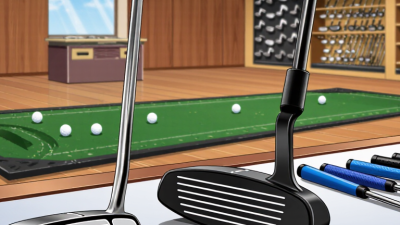
What are the best golf wedges in 2026? The right choice depends on how you play, not just which model appears in a launch-day roundup. Loft, bounce, and sole grind affect how a wedge moves through grass, sand, and firm ground. A club that slides cleanly through soft bunkers may feel clumsy on tight lies. Small differences matter.
This guide will compare wedge options by the shots they need to handle: full swings, controlled pitches, open-face chips, and bunker escapes. It will also consider feel, groove design, available lofts, and how easily each club fits into a player’s existing distance gaps. Look for practical details, such as whether a wedge sits comfortably behind the ball or digs into damp turf. Feel matters.
No single wedge suits every golfer. Swing steepness, typical course conditions, practice time, and confidence around the green all shape the decision. A highly versatile grind can still be a poor fit for a player who rarely opens the face. Likewise, the most forgiving option may not provide the precise turf interaction an experienced player wants. These trade-offs deserve an honest look. Some judgments remain subjective, and results can change with the player, lie, and conditions. The aim here is not to crown a universal winner, but to identify dependable choices and explain who may benefit from each.

Wedges are built for short shots where height, spin, and landing distance matter more than raw speed. A pitching wedge often handles fuller approaches, while a gap wedge fills the distance between it and a sand wedge. Sand wedges are shaped for bunker shots and controlled pitches. Lob wedges can send the ball high over a hazard, but their short carry demands careful contact. Loft varies between sets, so club names alone do not reveal how far each wedge will travel.
Bounce describes how much the sole sits below the leading edge, helping the club move through turf or sand. More bounce can help on soft ground or fluffy lies; less may suit firm turf and a shallow swing. There is no perfect setup for every golfer. Small differences matter.
A useful check is to hit each wedge from clean grass and note carry distances, not just total roll. Leave even gaps between clubs where possible.
It is easy to obsess over loft charts; I sometimes do. Yet a slightly awkward-looking gap may work better than a club that feels hard to control. In 2026, choose wedges around the shots and course conditions you actually face.
The best golf wedges in 2026 are not defined by loft alone. Their performance depends on how the sole, bounce, grooves, and head shape suit your swing and course conditions. Bounce helps the club move through turf or sand instead of digging too deeply. Softer ground often calls for less bounce, while fluffy sand or firm, steep swings may benefit from more. These are starting points, not rules.
Sole width and grind change how the club sits behind the ball. A wider sole can feel steadier in soft sand, while a narrower one may help on tight lies. Feel matters. Groove design and face texture can influence spin, but clean contact and a dry ball still matter greatly. A high-lofted wedge may look versatile on a rack, yet feel awkward around the green. That mismatch is easy to overlook.
Tips: Test wedges from real lies, not just a mat. Hit a few chips from firm turf, then try a bunker shot. Notice whether the leading edge sits comfortably and whether the club glides or catches. If possible, compare two bounce options with the same loft. Your first impression may be wrong, so take notes before choosing.
Choosing wedge lofts is about building usable carry gaps, not collecting numbers on the sole. A 4–6-degree gap can be a starting point, but actual distance depends on your swing and contact. Record carry distances for full and half swings; a launch monitor helps, though range balls can distort results. PGA TOUR ShotLink proximity statistics put tour players’ average distance from the hole at roughly 19 feet from 100–125 yards. That is a demanding benchmark, not a promise for your own game. Start with the shots you face most often.
Bounce and grind should match your delivery and the ground beneath the ball. More bounce can help a steep swing move through soft turf or fluffy sand; less bounce may suit shallow contact and firm, tight lies. Grind changes how the sole sits when you open the face, which matters for high, soft shots around the green. Try the wedge from a tight lie, damp turf, and a practice bunker. Feel the sole. I still find that a club that feels perfect on dry grass can dig badly in wet conditions. That mismatch is worth noticing before you buy.
The best golf wedges in 2026 depend on your swing, course conditions, and the shots you need to play. A wedge that feels easy from soft sand may dig into firm turf. Start by checking the loft gaps between your pitching wedge and highest-lofted wedge. Gaps of about four to six degrees are a useful starting point, though actual carry distances matter more than numbers alone. Measure them on a range if possible.
For newer players, a wider sole and moderate-to-high bounce can help prevent the club from digging on common swings. Players who often face tight lies may prefer less bounce, but that choice rewards precise contact. Versatile players might benefit from a middle-ground sole that handles chips, pitches, and bunker shots. There is no perfect setup. Even a carefully chosen wedge can feel awkward on unfamiliar ground.
Tips: Test wedges on grass and sand, not only a hard mat. Compare carry distances and notice whether the sole glides or catches. Keep notes; memory can be unreliable. If your short game relies on one reliable swing, choose forgiveness over a specialized option.
| Player need | Suggested loft | Typical bounce | Sole style | Best suited shots and conditions | Why it can work |
|---|---|---|---|---|---|
| Newer golfers seeking forgiveness | 54°–56° | 10°–14° or more | Wide, forgiving sole | Full swings, basic pitches, and bunker shots; especially helpful on soft turf or fluffy sand | A wider sole and higher bounce can help the club move through the ground rather than dig when contact is heavy. |
| One-wedge simplicity | 56° | 10°–12° | Moderately wide, versatile sole | A practical mix of pitches, chips, and greenside bunker shots | A mid-to-high loft can cover many short-game situations without requiring several specialty wedges. |
| Players who take deep divots | 54°–58° | 10°–14° | Full or wider sole with ample bounce | Approach shots and pitches from soft or damp turf | More bounce can reduce the tendency of the leading edge to dig, particularly for a steep angle of attack. |
| Players with a shallow swing or firm-course conditions | 54°–58° | 4°–8° | Narrower sole or reduced-bounce option | Tight lies and firm, closely mown turf | Less bounce may make it easier to use the leading edge from firm ground, though it can be less forgiving in soft conditions. |
| Players who want a dedicated bunker club | 56°–58° | 10°–14° or more | Wide sole with a sand-friendly profile | Greenside bunkers with soft or deep sand | Higher bounce and a wider sole can help the club glide through sand rather than bury in it. |
| Experienced players seeking shot-making options | 58°–60° | 4°–10°, matched to delivery and turf | Relieved or versatile sole | High, soft-landing pitches and shots around varied lies | A higher loft and heel or trailing-edge relief can allow the face to open more easily, but require reliable contact. |
| Players filling a distance gap | Typically 50°–52° | 6°–10° | Moderate sole suited to full swings | Controlled approach shots between a pitching wedge and sand wedge | A gap wedge can help create more even yardage spacing; choose loft based on the pitching-wedge loft and actual carry distances. |
Fit note: These are general starting points, not universal specifications. Wedge lofts, bounce measurements, sole shapes, swing delivery, sand depth, and turf firmness all affect performance. Check the loft of your pitching wedge and test carry distances and turf interaction before choosing a setup.
Choosing the best golf wedges in 2026 starts with matching lofts to the clubs already in your bag. Check the distance gaps between your pitching wedge and sand wedge, then choose lofts that fill them without overlap. Bounce and sole shape matter, too. On firm turf, a narrow sole may slide cleanly; in soft sand, more bounce can help prevent digging. Numbers only tell part of the story.
Test wedges where you actually play. Hit half-swings from grass, short pitches from rough, and bunker shots from your usual sand. Notice launch, carry, and how much the ball rolls after landing. Keep a small notebook; my own distance estimates are often too optimistic. Try the same shot several times before judging, since one clean strike proves little. Feel matters, but consistent contact matters more.
After each round, wipe grooves with a soft brush and water, then dry the clubhead. Dirt trapped in grooves can affect spin, especially on damp lies. Inspect the face for worn grooves and check the grip for slick patches. Replace a wedge when performance declines, not just because it looks old. I still keep one club longer than I should. That is not a fitting method.