Skip to content

10 Tips for Buying Mini Dresses in Bulk

Buying Mini Dresses in bulk can broaden your assortment and reduce unit costs. But a large order can magnify small mistakes. A shade that looks creamy on a screen may arrive bright white. A soft jersey sample may feel thin under store lighting. Request fabric swatches and sewn samples before committing. Check seams, lining, stretch recovery, and opacity in daylight. Tiny details matter. Review the size chart against actual garment measurements, not just labels. Check how each style fits across its full size range. A flattering sample in one size is not enough.

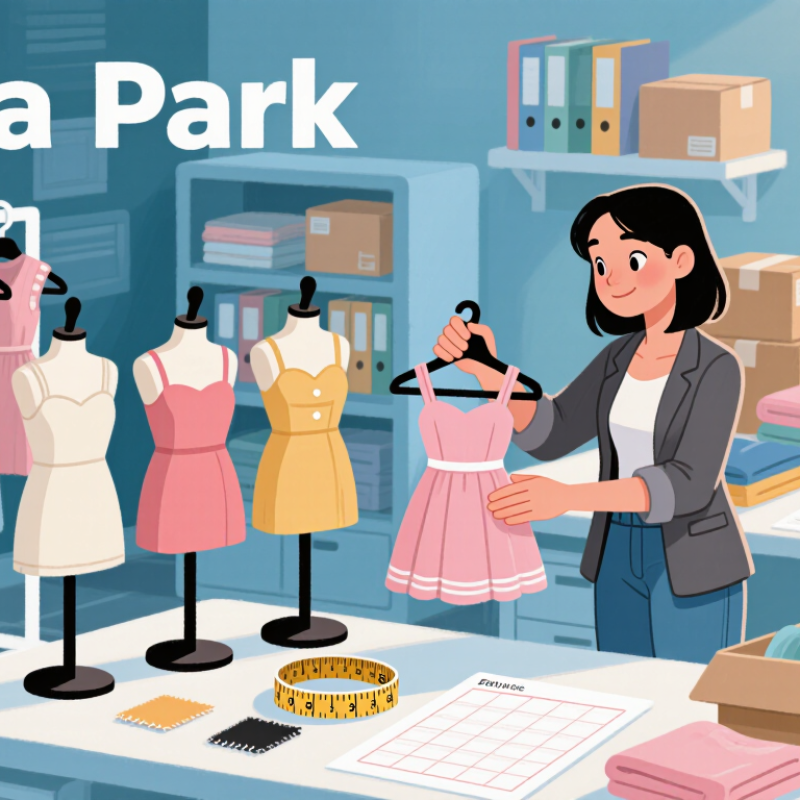
A fictional apparel-sourcing adviser, Elena Park, offers this practical line: “A low unit price matters only when fit, finish, and sell-through hold up.” This is an illustrative quote, not a sourced statement. Use the ten tips ahead to compare suppliers, minimum order quantities, size curves, fabric choices, and delivery timelines. Ask how colors are checked across production batches. Confirm packaging details and inspect a pre-shipment sample when possible. Keep records, too. Note sample measurements, agreed specifications, and any changes to the order. These steps can make decisions clearer, though they cannot guarantee sales. Trends shift. Customers surprise you. A careful bulk purchase balances price with consistent quality and a realistic view of what your shoppers will wear.
10 Tips for Buying Mini Dresses in Bulk

Understanding Your Market and Target Customers

Before ordering mini dresses in bulk, define who is likely to wear them and where. A college-area boutique may need affordable party styles, while a resort shop may favor breathable fabrics and bright prints. Look beyond age alone. Ask about preferred lengths, sleeve coverage, price limits, and occasions. Small details matter. A dress that photographs well may feel too short when customers sit.

Use recent sales records, customer questions, and local event calendars to estimate demand. Compare size requests and returns, not just best-selling colors. If customers often ask for adjustable straps or lining, treat those comments as useful buying evidence. Speak with a few regular shoppers, too. Ask directly. Their answers may not represent everyone, so pair feedback with actual sales data before setting quantities.

Plan a modest test order across several sizes and styles before committing deeply. Check fabric weight, seam finish, opacity, and movement on different body types. A quick fitting session can reveal issues a product photo hides. Leave room for imperfect assumptions: weather shifts, trends fade, and one popular print can stall. Track sell-through weekly, then reorder only where demand holds.

Setting a Budget and Choosing an Order Quantity

Set a total buying budget before contacting suppliers. Include unit cost, freight, duties, packaging, and a reserve for defects or delays. Then calculate your landed cost per dress. A $12 wholesale price can rise quickly once shipping and handling are added. Keep cash available for operating expenses, too. A full storeroom is not the same as a healthy business.

Tip: Start with a test order if the supplier allows it. Choose a few reliable colors and a narrow size range, then track sales by size weekly. Use actual demand—not a hopeful guess—to plan the next order. Mini dresses may sell differently across seasons, so note the dates and promotions behind each spike.

Set order quantity from your sales forecast and the supplier’s minimum order quantity. For example, if you expect to sell 60 dresses in eight weeks, avoid ordering far beyond that forecast without evidence. The National Retail Federation’s 2024 Retail Returns Landscape estimated U.S. retail returns at 16.9% of annual sales, or about $890 billion. That figure covers retail broadly, not mini dresses specifically, but it shows why return and markdown risk belongs in your budget. Leave room for unsold sizes. Recheck your assumptions after the first delivery; forecasts are often imperfect.

Selecting Dress Styles, Sizes, and Materials

When sourcing mini dresses in bulk, choose silhouettes for the customer and setting, not just a trend photo. A fitted knit dress may suit evening wear, while loose cotton poplin works for warm-day assortments. Check sleeve length, neckline depth, hem placement, and closure details on a physical sample. Small differences show quickly on a short hem.

Build a size curve from actual measurements, then compare it with the supplier’s garment chart. Do not assume “medium” means the same fit across different cuts. Ask for bust, waist, hip, and finished-length measurements, including tolerance ranges. Order fit samples in at least two sizes when the style is close-fitting. A spreadsheet helps. It can still miss how fabric drapes.

Material choice changes both appearance and wear. Rayon blends can drape softly but may need careful washing; cotton feels breathable, yet wrinkles more. For pale colors, inspect opacity under bright light. Stretch fabrics should recover after gentle pulling, and seams should lie flat without puckering. Confirm fiber content, care instructions, and shrinkage results before approving a large run. I would not let a low unit price decide the order alone; sometimes the cheapest fabric looks tired after one wash.

10 Tips for Buying Mini Dresses in Bulk

A practical checklist for selecting dress styles, sizes, and materials.

Use the scores as an illustrative planning guide, not market research. Start by confirming your target styles, supplier size measurements, and sample quality; then check fabric details, production terms, and delivery requirements before placing a bulk order.

Evaluating Suppliers, Samples, and Quality Standards

When buying mini dresses in bulk, assess supplier consistency rather than showroom polish. Request the factory location, production capacity, lead time, and recent references. Compare these with your order size. Record fabric composition, weight in grams per square metre, colorfastness requirements, seam details, and care instructions. Textile Exchange’s Materials Market Report 2024 estimates global fiber production reached 124 million tonnes in 2023. At that scale, clear material records help buyers trace what a supplier has actually quoted.

Request a sample made with the intended bulk fabric, trims, and construction. Check measurements across sizes, lining opacity under bright light, zipper movement, and hem stitching. Wash the garment according to its care label, then measure it again. AATCC TM150 provides a method for measuring dimensional changes after home laundering. One sample is not enough. Ask for a pre-production sample and a production-line sample; differences can reveal rushed substitutions. I would still treat a perfect sample cautiously.

Before shipment, agree on defect categories and inspection procedures in writing. ISO 2859-1 provides attribute-sampling plans for lot inspection; an AQL is a sampling tool, not a guarantee that every piece is defect-free. Keep a sealed reference sample, measurement chart, and dated inspection photos. Details expose weak work. Check the inside seams, too. A clean exterior can hide skipped stitches or uneven seam allowances.

Planning Shipping, Returns, and Inventory Management

Bulk mini-dress orders need a shipping plan before cartons leave the supplier. Confirm size ratios, fabric details, and delivery dates in writing. Approve a sample, split shipments if storage is tight, and label cartons by style and size. Check freight charges and add a small delay buffer. Small batches help. A late summer delivery can leave a rack full of dresses after demand has shifted.

Tips

  • Compare size charts
  • inspect a sample
  • confirm quantities
  • request carton dimensions
  • group cartons by SKU
  • check shipping quotes
  • allow transit time
  • record return terms
  • count stock weekly
  • separate returned items for inspection

These steps are simple, but easy to skip when orders feel urgent. I’d also keep a dated packing list beside the receiving area, not buried in an email.

Plan for returns as carefully as purchases. The National Retail Federation and Happy Returns’ 2024 Retail Returns Landscape report estimated U.S. retail returns at $890 billion, or 16.9% of annual sales. That is not a mini-dress-specific rate, but it shows why clear return windows and condition rules matter.

Log each return by size and reason, then check seams, stains, and tags before restoring it to sellable inventory. Keep records clean. A spreadsheet can still miss a box sitting unopened near the stockroom door.

Article Source: