Skip to content

10 Pop Up Canopy Buying Tips for Global Buyers

A Pop Up Canopy can look simple in a product photo: four legs, a folding frame, and a bright roof. Global buyers know the real test comes later, when cartons arrive, parts are missing, or a gust catches the sidewall. The right choice depends on more than price. Frame material, fabric specifications, packed dimensions, replacement parts, and clear setup instructions all matter.

Grand View Research estimated the global camping tent market at USD 3.1 billion in 2023 and projected a 7.8% compound annual growth rate from 2024 to 2030. That report covers camping tents, not pop-up canopies specifically, so its figures are useful context—not a direct canopy-market estimate. This distinction matters. A broad market number cannot tell buyers whether a canopy’s joints will hold up through repeated event use. No verifiable, named Pop Up Canopy industry expert quotation was provided for this introduction, so inventing one would create false authority. Instead, these ten buying tips focus on details buyers can check: frame-lock design, roof fabric, wind guidance, packed weight, warranty terms, and supplier communication. Ask for product specifications in writing. Compare samples when possible. And examine the weak points, not just the polished finish. A low quote can still become an expensive purchase. But even careful checks cannot remove every risk; that is worth remembering before placing a bulk order.
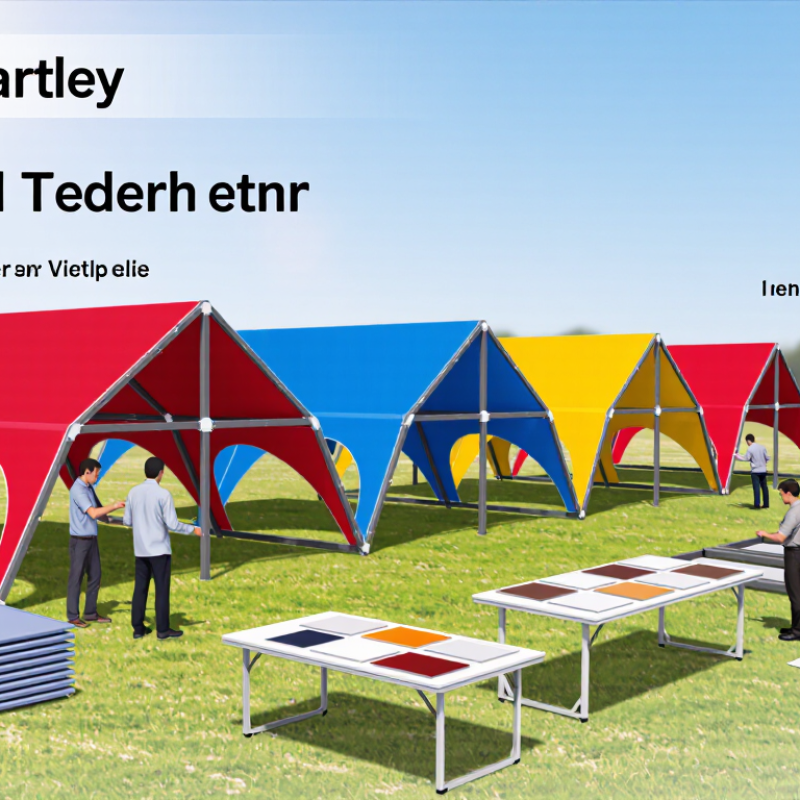
10 Pop Up Canopy Buying Tips for Global Buyers

Define Your Intended Use, Location, and Canopy Size

Define the canopy’s job before comparing frame materials or fabric ratings. A market stall needs clear space for tables, stock, and customer movement. A family shelter may need room for chairs, a cooler, and a stroller. Write down what must fit, then add space for people to move safely. Small details matter.

Tips: Measure the usable area, not just the canopy footprint. A 3-by-3-metre model may cover a table, but its legs can crowd a narrow walkway. Check packed dimensions too. The canopy must fit your vehicle and storage space. Bring a tape measure; estimates are easy to get wrong.

Next, consider the actual site. Grass, paving, sand, and hard-packed ground need different anchoring plans. Check for nearby walls, trees, overhead cables, and open paths where wind can catch the canopy. Never treat a pop-up canopy as shelter during severe weather. Also compare the setup area with the canopy’s full leg spread, which may be wider than its roof. It is tempting to buy extra-large for flexibility, but a bulky canopy can be awkward to transport and may not fit the venue. A simple site sketch can help. It will not answer everything, but it can reveal a tight corner before purchase.

Compare Frame Designs, Fabric, and Weather Resistance

Compare frame designs by how they handle setup, transport, and repeated use. A steel frame often feels stable, but it can be heavy to move. Aluminum is lighter, though tubing thickness and joint quality still matter. Open the canopy and check each connection. Does it lock firmly without forcing?

Fabric choice affects shade, upkeep, and comfort. Polyester is common and packs neatly, while heavier coated fabrics may offer stronger sun and water protection. Ask for the fabric weight, coating details, and care instructions—not just a vague “weatherproof” claim. Seams deserve attention. Look for even stitching and reinforced stress points, especially near corners where fabric pulls tight.

Weather resistance depends on the whole structure, not fabric alone. Sloped panels help rain drain, while secure feet and sound frame joints improve stability in gusts. No pop-up canopy should be treated as storm-proof; take it down when conditions exceed its stated limits. Check test methods and product specifications, since ratings are not always directly comparable across suppliers. I would also inspect a sample after folding it several times. Small flaws can hide in a neat catalog photo.

Check Setup Requirements, Safety Features, and Replacement Parts

Before ordering a pop-up canopy, confirm its packed dimensions, frame material, peak height, and required setup space. Check whether one person can erect it, or whether two are needed to extend the frame safely. A quick setup can still hide a loose joint; that detail is easy to miss. Ask suppliers for assembly instructions and a parts diagram, then verify that feet, pins, connectors, and fabric panels are available separately. Replacing one damaged component is often more practical than replacing the whole canopy.

Safety depends on anchoring and weather, not just frame strength. Match weights or stakes to the surface, and keep exits clear in crowded event layouts. NOAA’s National Weather Service classifies thunderstorm wind gusts of 58 mph or higher as severe. That threshold is an alert, not a safe operating limit for a canopy; follow the manufacturer’s lower wind guidance and take the shelter down when conditions worsen. Small parts matter.

Tips: Before purchase, request the canopy’s setup guide, stated wind limitations, and replacement-part list. Confirm that each part fits the exact frame model, and ask about lead times for fabric and connectors. Test the frame on level ground before an event, inspect locking pins, and keep a spare pin in your repair kit. If instructions are unclear, pause and ask the supplier rather than forcing a joint.

10 Pop-Up Canopy Buying Tips for Global Buyers

Check setup requirements, safety features, and replacement parts before you buy.

Relative buyer-priority scores on a 1–5 advisory scale, not results from a market survey. Confirm product-specific setup instructions, wind-use limits, fabric specifications, local safety requirements, and spare-part availability with the supplier.

Verify Supplier Credentials, Standards, and Shipping Details

Before buying a pop-up canopy, check that the supplier’s registered business name and factory address match across documents. Request recent production photos, customer references, and a live video tour when practical. Paperwork helps, but it does not prove that every shipment will match the sample. Ask for a sample inspection plan and confirm who pays for independent checks. Small details matter.

Tip: Request test reports for the exact canopy model, not a similar frame. Compare fabric, frame material, and wind-rating test methods. Ask what the rating assumes, such as correct anchoring and sheltered conditions. A number without context can mislead.

Review shipping terms before paying a deposit. Confirm packed dimensions, gross weight, carton count, and the named delivery point. Ask who arranges export documents, insurance, and destination charges, and get the estimated transit time in writing. I would not treat a polished quote as a complete delivery plan; even experienced buyers can overlook port fees or unclear handoffs. One last check: make sure the canopy color, accessories, and packaging details appear on the order confirmation.

Compare Total Cost, Warranty Coverage, and Long-Term Value

A pop-up canopy’s price tag is only the starting point. Compare the delivered cost, including freight, import fees, replacement parts, and any charges for custom sizing. A low quote can become expensive when a frame arrives with missing connectors or a fabric top that needs frequent replacement. Ask for a written list of what the price includes. Small details matter.

Warranty coverage deserves the same careful reading. Check how long the frame and fabric are covered, which parts are excluded, and who pays return shipping. A warranty may offer little value if claims require photographs, serial numbers, and lengthy overseas shipping. Keep those requirements in mind. The process can be awkward.

For long-term value, consider how often the canopy will be assembled, packed, and exposed to wind or sun. A heavier frame may cost more and take longer to move, while a lighter one may suit occasional events better. Compare replacement-part availability and fabric care instructions, too. A simple cost-per-use estimate can help: divide the purchase and expected maintenance costs by the number of planned uses. It is only an estimate, of course; event schedules change, and a canopy may wear faster than expected. Don’t mistake a neat spreadsheet for certainty.

10 Pop Up Canopy Buying Tips for Global Buyers — Compare Total Cost, Warranty Coverage, and Long-Term Value
# Buying Tip What to Compare Total-Cost Check Warranty Questions Long-Term Value Signal
1 Confirm the canopy’s intended use Match the product to occasional backyard use, regular market trading, events, or repeated transport. Check the manufacturer’s stated use and care instructions. Compare products designed for the same use; a lower purchase price may not represent comparable construction or included components. Ask whether coverage differs for commercial use, frequent setup, or use outside the stated conditions. A suitable canopy is less likely to be used beyond its stated limitations.
2 Check the actual usable size Verify the canopy’s deployed dimensions, interior clearance, leg positions, and packed dimensions. Consider the space needed for people, tables, or displays. Include any separately priced sidewalls, weights, or transport equipment needed for the planned layout. Confirm whether fabric, frame, and accessories have separate coverage terms. A size that fits the site and transport plan can avoid costly substitutions or add-ons.
3 Compare the complete frame and fabric specification Review frame material and construction, fabric composition, seams, connectors, and the listed replacement-part options. Ask for specifications rather than relying on appearance alone. Compare like-for-like configurations, including the frame, top, carry bag, and any included accessories. Check which parts are covered and whether wear, accidental damage, or fabric fading is excluded. Serviceable parts and clearly documented specifications can make maintenance and repairs easier.
4 Calculate landed cost, not just the listed price Request a written quotation for the destination country and delivery address. Estimate total landed cost as product price + freight + insurance, where applicable + import duties and taxes + customs or handling fees + required accessories. Confirm which charges are included in the quote. Ask who pays return shipping or other costs if a warranty claim is approved across borders. A clear landed-cost comparison reduces the risk of unexpected charges after ordering.
5 Verify wind, rain, and weather limitations Read the product instructions for setup, anchoring, weather limits, and when the canopy must be taken down. Do not assume a pop-up canopy is designed for severe weather. Include suitable anchoring or weighting equipment if required by the instructions and site conditions. Ask whether damage caused by wind, heavy rain, improper anchoring, or leaving the canopy unattended is excluded. Following stated operating limits can help reduce avoidable damage and downtime.
6 Inspect anchoring and accessory requirements Check what is included and whether the setup instructions specify additional anchoring for the intended surface or conditions. Add the cost of compatible weights, stakes, tie-downs, sidewalls, or other necessary accessories to the comparison. Confirm whether accessories are covered separately and whether using unapproved parts affects coverage. A complete, compatible setup is more useful than a low-priced canopy that requires unexpected purchases.
7 Read the warranty terms before purchase Compare warranty duration, covered defects, claim procedure, proof-of-purchase requirements, and the party responsible for support in your country. Consider the cost of inspection, packaging, shipping, and temporary replacement while a claim is assessed. Check the start date, exclusions, remedy offered, and whether coverage is limited to repair, replacement parts, or another remedy. Terms vary by seller and market. Clear, accessible terms are more useful than a headline warranty length without practical claim details.
8 Check spare-parts availability Ask whether replacement tops, frame components, connectors, and fasteners can be ordered individually, and whether instructions identify compatible parts. Compare the expected cost of common replacement items and shipping, if prices are available. Ask whether replacement parts supplied under warranty have separate coverage or conditions. Repairable components may extend useful service life and reduce the need to replace the whole unit.
9 Assess setup, packing, and storage Review setup instructions, packed size, carrying method, and the recommended cleaning and storage procedure. Check the packed weight against transport needs. Include any suitable transport case or storage solution that is not supplied. Ask whether damage from incorrect assembly, cleaning, or storage is excluded from coverage. Easy handling and proper storage can support regular use and help prevent avoidable wear.
10 Compare value over the expected service period Compare models with similar size, configuration, intended use, and support—not purchase price alone. Use a simple comparison: expected total ownership cost = landed purchase cost + planned accessories and maintenance + likely replacement parts. Treat future repair costs as estimates. Compare the written coverage and claim process alongside the product specification; warranty length alone does not establish durability. Favor the option with transparent costs, accessible support, and practical repair options for your location.

Prices, import charges, product specifications, and warranty terms vary by seller, destination, and market. Confirm all figures and coverage in writing before ordering.