An oem vape is a product made by one manufacturer for another company’s brand. The brand may define the device’s appearance, features, packaging, and quality requirements. The factory then turns those specifications into a production plan. That work can include design review, component selection, prototypes, assembly, and inspection. Small details matter: a connector that fits poorly or a label that misstates a specification can delay a launch. OEM does not simply mean adding a logo. It means coordinating many decisions across a supply chain.
Toyota production pioneer Taiichi Ohno offered a useful manufacturing principle: “Where there is no standard, there can be no kaizen.” His words are about manufacturing broadly, not specifically about vapes. Still, they point to a practical lesson for OEM Vape projects: clear specifications and repeatable checks make problems easier to find. A responsible process documents materials, tests samples against agreed requirements, and checks finished units before release. Applicable product and market requirements also need careful review. No checklist replaces judgment. Real projects are messier. A sample may look right but reveal a fit issue during assembly, and teams may need to revisit an early choice. This guide explains how OEM manufacturing works, what brands and factories each handle, and which questions deserve attention before production begins.
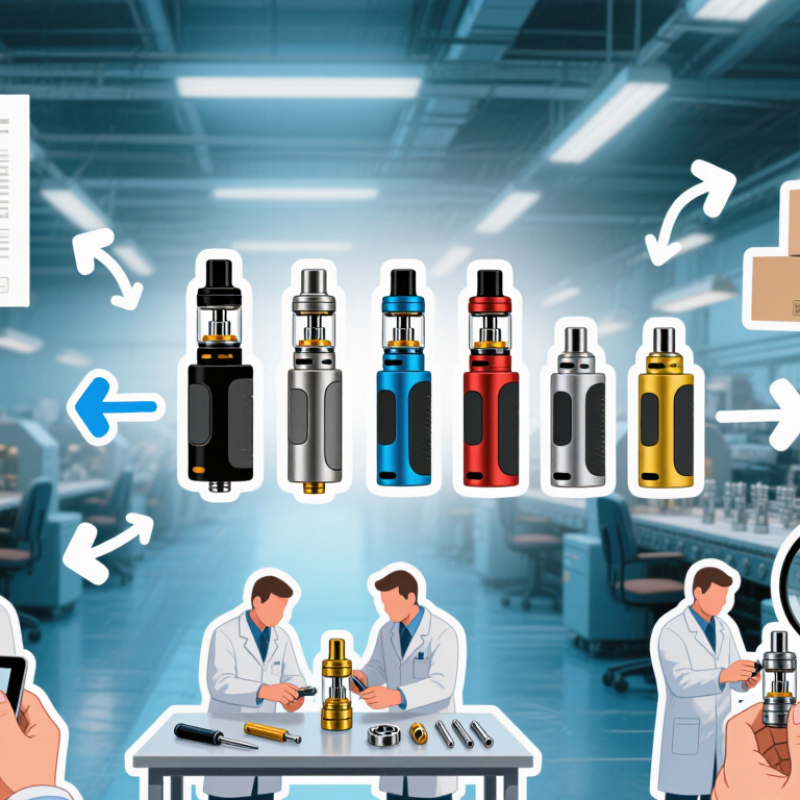
An OEM vape is a device made by a manufacturer according to another company’s specifications. Those specifications may cover the casing, battery capacity, airflow, mouthpiece, and packaging. The manufacturer handles production, while the commissioning company decides how the finished product is presented. In practice, the split is not always clean; a factory may suggest component changes when a design is difficult to assemble.
That distinction matters. An ordinary retail vape is sold as a finished product under its own brand identity. An OEM device may look similar, but its parts, finish, or packaging can be tailored for a particular buyer. OEM is also different from ODM, where the manufacturer typically provides more of the original design. The terms can be messy.
For buyers comparing products, appearance alone offers little proof of who made a device or how closely production follows a specification. Useful details include component lists, battery ratings, production checks, and batch records. Ask how dimensions and assembly tolerances are checked, not only whether a sample works. A polished sample is reassuring, but it cannot show whether every production batch matches it. That gap is easy to overlook.
An OEM vape is a device produced by a manufacturer according to a client’s specifications. The brand defines the intended audience, product features, packaging, and target price. The manufacturer turns those requirements into a workable design and production plan. Each side has a distinct role. Neither can reliably cover every detail alone.
Manufacturers typically assess component compatibility, material availability, assembly methods, and quality checks. They may build samples so both parties can inspect fit, finish, airflow, and basic operation before larger production runs. The brand reviews those samples and approves or requests changes. It should also provide clear specifications and verify that product information is accurate. Responsibilities vary by contract, so vague agreements can cause delays or disputes. A polished prototype is not proof that every production unit will match it. That distinction deserves attention.
Tips: Agree on written acceptance criteria before production. Ask how incoming parts and finished units are checked, and keep sample approvals and revisions on record. Small details matter. A clear process helps, though it cannot replace careful review.
OEM vape manufacturing turns a company’s product brief into a finished device made by an outside manufacturer. The buyer usually defines the intended design, materials, performance targets, and packaging. The manufacturer reviews whether those details are practical and identifies components, costs, and production limits. Clear specifications matter. A vague airflow target can lead to repeated sample changes.
The process typically moves from design review to a prototype, testing, and production approval. Teams check details such as shell fit, button response, charging behavior, and liquid-leak resistance. They may revise parts after testing; not every first sample works as planned. Before larger production runs, the manufacturer should document component checks and agree on quality criteria, inspection steps, and traceability records. Battery and product requirements can differ by market, so qualified teams should verify applicable standards before production.
An OEM vape is made by a manufacturer to another company’s specifications. Quality checks should begin before assembly. Inspectors can verify battery cells, seals, heating elements, and airflow parts against approved samples. Small defects matter. A loose connection or uneven seal may cause failures that a finished-product appearance check cannot detect.
Battery testing deserves particular attention. The National Fire Protection Association’s 2017 report recorded 195 e-cigarette fire or explosion incidents in the United States from 2009 to 2016. This history makes electrical protection, charging behavior, and drop resistance practical test priorities. Each test should use documented procedures, defined pass limits, and traceable equipment. Independent laboratories accredited to ISO/IEC 17025 can support reliable measurements, though accreditation alone does not guarantee a safe product.
Finished units should also undergo leak checks, output consistency tests, and material screening. Laboratories can analyze aerosol samples for selected compounds and compare results with the manufacturer’s specifications and applicable requirements. Batch records help connect a failed sample to its components and production shift. Sampling still has limits. A few tested units cannot represent every device, so ongoing production checks matter. The paperwork can look complete while a small process change slips through. That is exactly why audits and repeat testing are useful.
Battery verification is one part of OEM vape quality and safety testing. The chart shows common reference values for a conventional single-cell lithium-ion battery—not test results or universal limits.
Actual voltage limits depend on the battery chemistry and manufacturer specifications. OEM testing should verify the selected cell, charging circuit, and protection features against their applicable requirements.
An OEM vape is a product made by a manufacturer to a buyer’s agreed design and specifications. The arrangement can cover the device casing, components, packaging, and production volume. The buyer may provide detailed drawings, or work with the manufacturer to refine a concept. Clear records matter. Even a small change to a connector or material can affect assembly and performance.
When choosing an OEM vape manufacturer, examine its quality controls and testing process. Ask how incoming materials are checked, how production batches are tracked, and what happens when a sample fails inspection. Request written specifications and review a physical prototype before approving a larger order. Communication is another practical test: Can the team explain lead times, minimum order quantities, and possible delays clearly? A low quote can look persuasive, but it may omit testing or packaging costs. That deserves a closer look. Check that the manufacturer can provide documentation relevant to your intended market, and verify requirements with qualified professionals.
Tips: Ask for sample inspection records and a production timeline. Compare quotes line by line, not just by total price. Keep one approved sample for reference; it can help resolve disagreements later.
| Dimension | What It Means | What to Verify | Why It Matters |
|---|---|---|---|
| OEM definition | OEM (original equipment manufacturer) production involves a manufacturer making products to another business’s agreed specifications, which may include product design, components, packaging, or labeling. | Clarify which party controls the design, owns any tooling, approves changes, and is responsible for product documentation. | “OEM” arrangements vary; written responsibilities help prevent misunderstandings about product ownership and accountability. |
| Product scope | A vape product may include a battery, heating element, liquid reservoir or cartridge, mouthpiece, and electronic controls. The exact components depend on the product type. | Request a component list, material specifications, product drawings, and a clear description of included accessories. | A defined scope makes quotations comparable and helps identify design or compatibility issues early. |
| Typical manufacturing workflow | Projects commonly move through requirements, design review, prototype or sample evaluation, specification approval, production planning, assembly, inspection, and shipment. | Ask for stage gates, approval records, change-control procedures, and the process for handling rejected samples or production batches. | Documented steps make it easier to track decisions and address defects before shipment. |
| Product requirements | Specifications may cover dimensions, materials, electrical characteristics, performance, appearance, packaging, and permitted product claims. | Use measurable acceptance criteria and agree on how each requirement will be tested or inspected. | Specific requirements reduce subjective approvals and inconsistent production outcomes. |
| Samples and design validation | Pre-production samples allow the buyer to review construction, usability, appearance, and performance before authorizing a production run. | Confirm sample versions, test methods, approval sign-off, and whether the approved sample becomes the production reference. | Approving a documented reference sample helps align expectations for later batches. |
| Quality management | Quality controls can include incoming-material checks, in-process inspections, final inspection, and records for nonconforming products. | Review inspection plans, acceptance criteria, traceability practices, corrective-action procedures, and available audit evidence. | A quality certificate alone does not establish that a particular product or batch meets agreed specifications. |
| Battery and electrical safety | Battery-powered products require controls appropriate to their cells, charging design, electrical components, and intended use. | Request applicable test reports and supporting documentation; verify that testing covers the actual model and configuration being purchased. | Safety evidence should match the product and destination market rather than relying on generic claims. |
| Materials and product contents | Materials that contact e-liquid or are exposed to heat should be specified and assessed for their intended conditions of use. | Ask for material declarations, supplier records, and relevant compatibility or safety test results. | Material substitutions can affect product performance and may require renewed evaluation. |
| Regulatory compliance | Requirements for vaping products differ by country or region and may cover product notification, ingredients, emissions, labeling, packaging, age restrictions, and sales. | Identify the destination markets and determine which party is responsible for checking current local rules and maintaining compliance records. | Compliance cannot be assumed to transfer automatically from one market to another. |
| Labeling and claims | Product labels and marketing statements may be subject to local restrictions, including requirements concerning warnings and health-related claims. | Review final artwork and claims against the rules in each intended market before production. | Late label changes can cause delays, rework, or noncompliant shipments. |
| Minimum order and lead time | Minimum order quantities and production schedules depend on the product, components, customization, and factory capacity; there is no single standard figure. | Request written estimates for samples, materials, production, inspection, and shipping, including assumptions and possible delays. | Clear estimates support realistic inventory and launch planning. |
| Customization and tooling | Custom colors, molds, components, or packaging may require additional development work and tooling. | Confirm tooling costs, ownership, storage, maintenance, permitted use, and arrangements if the project ends. | Written terms help protect investment in custom parts and clarify whether they can be used for other orders. |
| Supplier qualification | Supplier assessment may include facility capability, process controls, subcontracting practices, and the ability to provide consistent records. | Verify the actual manufacturing location, relevant experience, quality procedures, and whether critical processes are subcontracted. | Understanding who performs each step improves oversight of the supply chain. |
| Commercial terms and after-sales support | Contracts typically address pricing, payment milestones, delivery terms, warranty scope, defect handling, and responsibilities for regulatory records. | Document remedies for defective goods, communication timelines, spare-parts availability, and responsibility for recalls or field issues. | Clear terms make post-delivery issues easier to manage. |