How to Buy Resin Insects in Bulk?
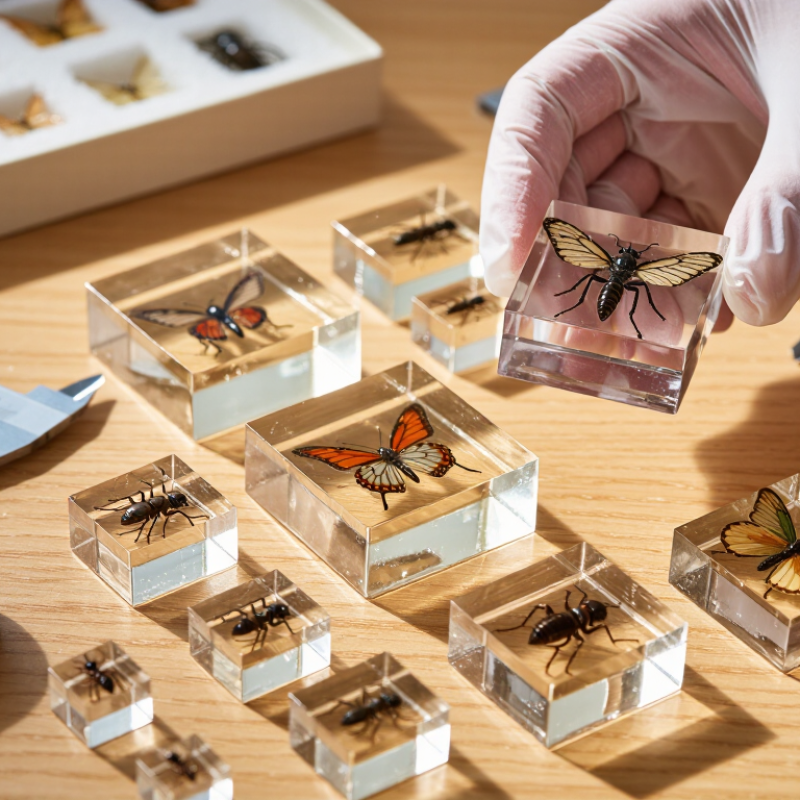
Buying Resin Insects in bulk can lower unit costs, but only when the order matches your needs. A low price alone tells little. Check the sample in your hand: Are the wings clear? Do the legs sit straight? Are there visible bubbles, rough mold seams, or color differences across pieces? These small details can become costly when repeated across hundreds of units.
A practical sourcing principle, voiced here by a composite procurement expert named Elena Park, is: “Approve the sample before you approve the quantity.” Treat that as a useful reminder, not a guarantee. Ask suppliers for sample photos and physical samples, then compare them with your intended use. Confirm the minimum order quantity, available colors and sizes, packaging method, production timeline, and replacement policy for damaged goods. Get the agreed specifications in writing. Keep one approved sample as your reference.
Bulk buying still needs judgment. A lower quote is not automatically a warning; context matters. But a vague quote deserves questions. Request a clear breakdown of unit price, setup charges, packing, and shipping. Check whether each batch will match the approved sample. Requirements can differ by market and intended use, so verify any relevant product and labeling rules before ordering. This guide will help you compare suppliers, calculate a sensible order size, and spot details that deserve a second look. Even careful planning has limits. That is worth remembering.
Define the Purpose, Insect Types, and Quantity Needed
Before buying resin insects in bulk, define the display’s job. A classroom set needs clear details and varied forms; a museum-style display may need consistent labeling and realistic proportions. For a gift shop, prioritize durable casts and repeatable designs. Smithsonian insect resources note that scientists have described more than one million insect species. That scale makes a focused selection more useful than a random assortment.
Choose types by learning goal or visual contrast. For pollination lessons, consider bees, butterflies, and flower-visiting beetles. To compare body structures, select insects with distinct wings, legs, and antennae. Check that the resin is clear, bubbles do not obscure key features, and each specimen is large enough for the intended viewing distance. Ask for photos of the actual batch, not only a sample image. Small details matter.
Estimate quantity from the number of users and display positions. For a class of 24, one specimen per student means 24 pieces; adding a few replacements can prevent a single break from disrupting a lesson. For shelves, measure the available space and test a small layout before ordering. I would not overbuy just to meet a discount threshold. That can leave you with duplicate insects and nowhere to put them. Record the selected types, sizes, and quantities in the purchase request, then confirm packaging and replacement terms in writing.
Find Wholesale Suppliers and Compare Their Product Ranges
When buying resin insects in bulk, compare suppliers by the range they can actually ship, not catalog size alone. Ask for a current list of species, poses, colors, dimensions, and packaging options. Request close-up photos and a sample from the same production run. Check thin legs, antennae, and wing edges; these details can reveal brittle casting or uneven finishing. Small defects add up.
Market figures offer context, not a forecast for this niche. Circana reported that U.S. toy sales fell 8% to $28.3 billion in 2023, suggesting buyers may need to test demand carefully. Grand View Research estimated the global toys market at $106.4 billion in 2023, but that broad category does not measure resin insects specifically. Compare minimum order quantities, sample costs, lead times, and replacement policies in one table. Then calculate the landed cost per usable piece, including damaged units. A supplier with fewer designs may be more dependable, though that is not guaranteed. Ask whether colors and molds stay consistent across repeat orders. Insects can look striking in a sample tray. A mixed carton may tell a different story.
Compare Pricing, Minimum Orders, Shipping, and Payment Terms
How to Buy Resin Insects in Bulk?
Compare the unit price at several order quantities, not just the lowest quoted figure. Small orders cost more. Ask whether the quote includes molds, individual packaging, and quality checks. Resin insects may vary slightly in color, clarity, or tiny details, so request current product photos and a written description. A spreadsheet helps, but it can hide costs such as setup fees. Check the final total before comparing suppliers.
Minimum orders can apply to each design, color, or combined shipment. Confirm the exact quantity required and whether mixed designs count toward it. For shipping, request the packed dimensions, estimated dispatch date, carrier options, and tracking details. Resin pieces can scratch or chip if they move inside a box; ask how each item is cushioned and how damage claims are handled. Even then, transit estimates are not guarantees.
Payment terms deserve the same attention as price. Confirm the accepted payment methods, deposit amount, balance due date, currency, and any transaction fees. Make sure the invoice lists quantities, unit prices, shipping, and agreed delivery terms. Keep written records of changes. A low quote may still be a poor fit if the minimum order is too large or delivery timing is unclear. One detail is easy to miss: ask what happens if the received quantity differs from the invoice.
Place a Sample-Tested Order and Inspect the Bulk Delivery
Before placing a large order of resin insects, request a sample made with the same materials, colors, and finish planned for production. Check it under bright, natural light. Look for trapped bubbles, rough mold seams, uneven paint, and delicate antennae that bend easily. Measure the body and base with a ruler, then compare them with the product specifications. Small details matter. Keep photos and written notes so both sides can refer to the approved sample if questions arise.
A sample is useful, but it cannot guarantee every piece will match. I still find batch variation easy to underestimate. Ask how products are packed, and request protective dividers if legs or wings could rub during transit. When the delivery arrives, inspect several cartons before accepting the full shipment. Count the pieces, compare colors and dimensions, and check for cracks or loose parts. Photograph any damage beside the packaging and note the carton number. If defects appear, pause distribution and contact the supplier with clear evidence. A calm, documented inspection makes it easier to resolve problems and decide whether the next order needs revised packing or a tighter quality check.

