How to Choose the Right Slow Jigging Hook in 2026?
Choosing the right Slow Jigging Hook in 2026 requires more than matching hook size to jig weight. Water depth, target species, rod action, line tension, and current all influence the final choice. A hook that performs beautifully beside a rocky reef may fail over deep sand. Small details matter.
Norihiro Sato, widely recognized as a pioneer of Japanese slow-pitch jigging, is often associated with this practical principle: “The jig creates the opportunity; the hook must complete it.” That idea remains relevant today. A properly balanced hook follows the jig’s movement without killing its fall. It should penetrate quickly, hold pressure steadily, and resist opening during sudden runs. Sharpness is essential. So is strength.
This guide examines hook shape, wire diameter, point angle, corrosion resistance, and assist-cord length. It also considers single and twin-hook arrangements for different jig profiles. A compact hook may suit a narrow metal jig, while a wider gape can improve corner-hooking on larger fish. Still, bigger is not always better. An oversized Slow Jigging Hook can disturb the jig’s action and create unwanted tangles.
Real fishing is less perfect than product charts suggest. Current changes. Knots weaken. Anglers make rushed lifts. I have also seen strong hooks fail because their points were slightly rolled after contact with structure. Therefore, selection should include inspection before every trip, not only brand reputation. The best choice is the hook that balances penetration, movement, durability, and the actual conditions beneath the boat.
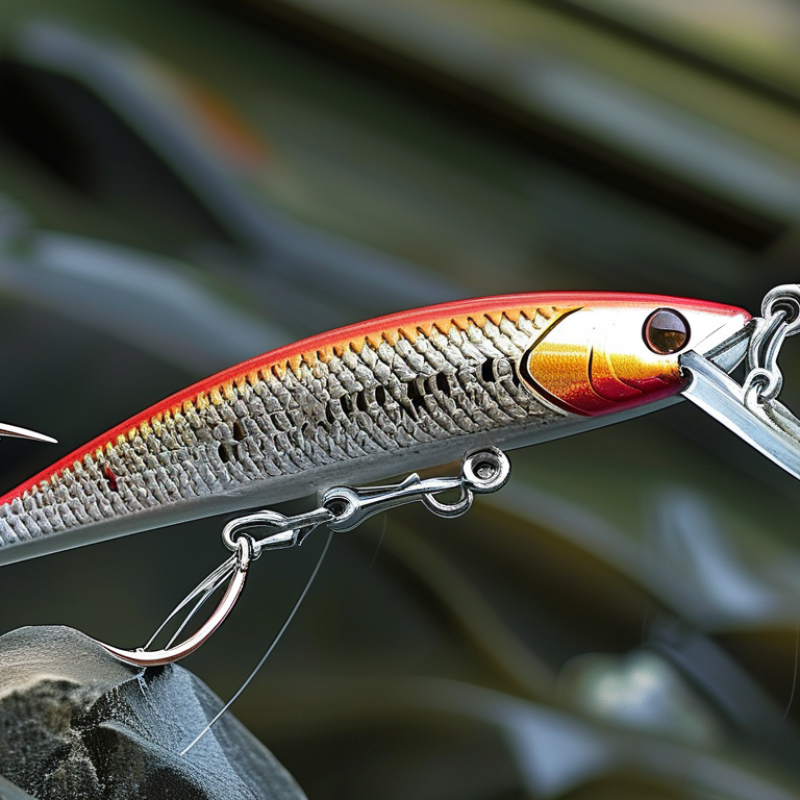
Understanding Slow Jigging Hook Design and Function
Slow jigging hooks are small mechanical systems, not decorative accessories. Their shape controls how efficiently a jig turns, falls, and loads under pressure. A short assist hook reduces fouling around the jig body, while a wider gape improves contact with a fish’s jaw. However, excessive gape can catch the leader or disrupt the jig’s sliding action.
Hook point alignment matters most during a slow lift. An inward point may resist snagging, but it can require stronger pressure for penetration. A straight or slightly outward point usually bites faster, especially with a taut line. Heavy-wire hooks handle sudden pressure, while thinner wire penetrates more easily. The trade-off is real. I still choose overly strong hooks sometimes, then lose movement and feel.
The FAO State of World Fisheries and Aquaculture 2024 reported 185.4 million tonnes of global aquatic animal production in 2022. That scale reflects growing pressure on responsible resource use, making secure hook-ups more important than repeated missed strikes. Choose hook size from the target species, jig weight, and expected drag, not from appearance alone. A practical test is simple: suspend the jig, lift it slowly, and watch whether the hook remains clear of the assist cord. If the point rolls inward, the design is probably working against you. Check the point after every rocky drop. A hook can look sharp and still fail.
Choosing Hook Shapes for Different Jigging Actions
How to Choose the Right Slow Jigging Hook in 2026?
Choosing Hook Shapes for Different Jigging Actions
Slow jigging hooks should match the jig’s movement, not only its weight. A wide-gap, slightly curved hook suits a fluttering jig. It presents the point outward during the fall. This shape works well when fish strike from below. For a long, sliding jig, a narrower hook with a straighter shank can reduce unwanted swinging. It stays closer to the jig during sharp lifts.
In my experience, two assist hooks often improve balance on compact jigs. They also increase the chance of contact when fish attack from either side. However, extra hooks may tangle during fast drops. I still make mistakes here. A short assist cord suits aggressive lifts, while a longer cord improves coverage during slow, horizontal falls. Test both beside the boat before fishing deeper water.
The 2024 Special Report on Fishing recorded 57.9 million U.S. participants in 2023, showing how many anglers now refine tackle for specialized techniques. More participation also means more pressure on popular grounds. NOAA Fisheries’ 2023 Status of Stocks report supports careful, selective fishing practices through science-based stock monitoring. Match hook size to the target species, check the point after every rocky contact, and replace bent metal immediately. A perfect shape can still fail when the point rolls inward.
How to Choose the Right Slow Jigging Hook in 2026?
Choosing Hook Shapes for Different Jigging Actions
The relative suitability scores reflect practical tackle-selection principles: inline and short assist hooks generally improve contact during compact, vertical movements, while longer assist hooks provide more reach when a jig pauses, falls, or slides away from the line. Use stronger, properly sized hooks for larger fish and always match hook weight to the jig’s intended action.
Testing Hook Performance and Maintaining It for 2026 Fishing Conditions
A slow jigging hook must perform under pressure, not only look sharp in the tackle box. I test each hook before fishing by checking its point against my thumbnail. A sharp point should grip lightly, not slide away. I also inspect the bend, eye, and surface for tiny cracks or rust spots.
Real testing happens on the water. I attach the hook to a strong leader and apply steady pressure with a calibrated scale. The hook should hold without opening or twisting. During deeper sessions, I watch how it behaves around rocks, strong current, and sudden strikes. A stiff hook may resist bending, but excessive stiffness can transfer more force to the line. That detail is easy to overlook.
After every trip, I rinse the hook with fresh water, even after fishing in clean-looking seas. Salt can hide inside the eye. I dry the hook completely before storing it in a ventilated box. Damp storage causes slow corrosion. Check it again later.
I once reused a hook because its point still looked sharp. It failed near the bend on a hard strike. That mistake changed my routine. Now I replace hooks after visible deformation, deep corrosion, or repeated heavy loading. For 2026 conditions, changing currents and warmer coastal water may increase stress on tackle. I cannot predict every situation, so I record hook performance, water depth, lure weight, and landing results after each trip. My notes are imperfect, but they reveal patterns.

