Why Choosing the Right Golf Putters Can Improve Your Game Performance?
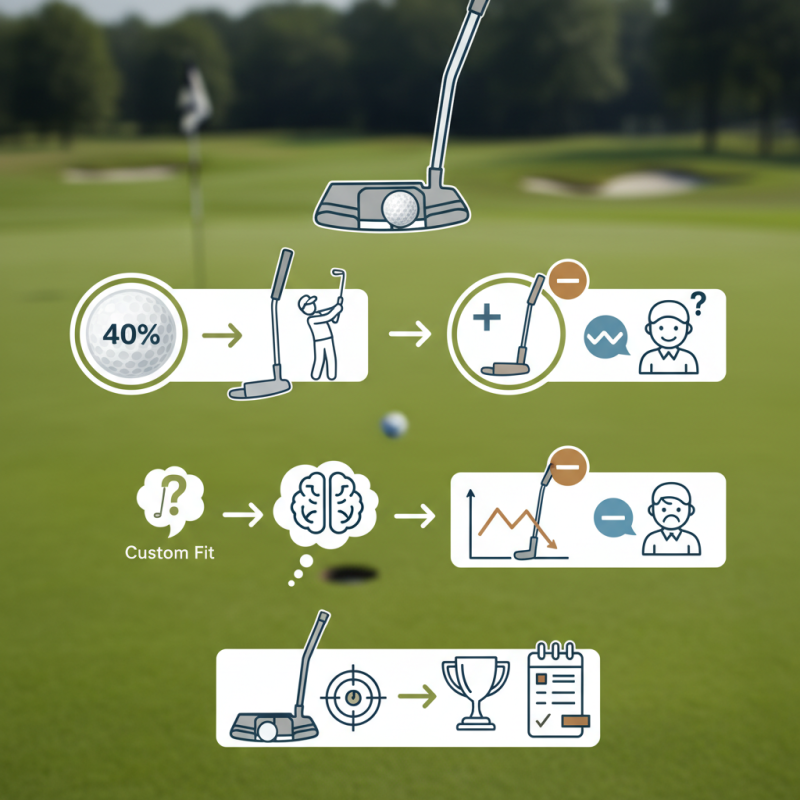
The role of golf putters in improving overall game performance cannot be overstated. According to a report from the National Golf Foundation, a staggering 40% of strokes in a typical round come from putting. This statistic highlights the necessity of selecting the right golf putter. Expert golfer and club fitting specialist, Mike McGetrick, emphasizes, "A putter that fits your stroke can dramatically lower your scores."
With various designs and weights available, the right golf putter can enhance stability and control. Many players, however, overlook this critical piece of equipment. The wrong putter feels uncomfortable and may lead to poor performance. This is a common reflection among amateur golfers. They often find themselves frustrated on the greens, wishing they had made a better choice.
Choosing the perfect golf putter is not merely a preference; it is a strategic decision. The reliable performance stems from understanding one's unique style. As golfers delve deeper into their game, the importance of the right putter becomes evident. A well-suited putter not only boosts confidence but may also result in a significant improvement in scoring.
The Importance of Putter Fit in Enhancing Stroke Consistency
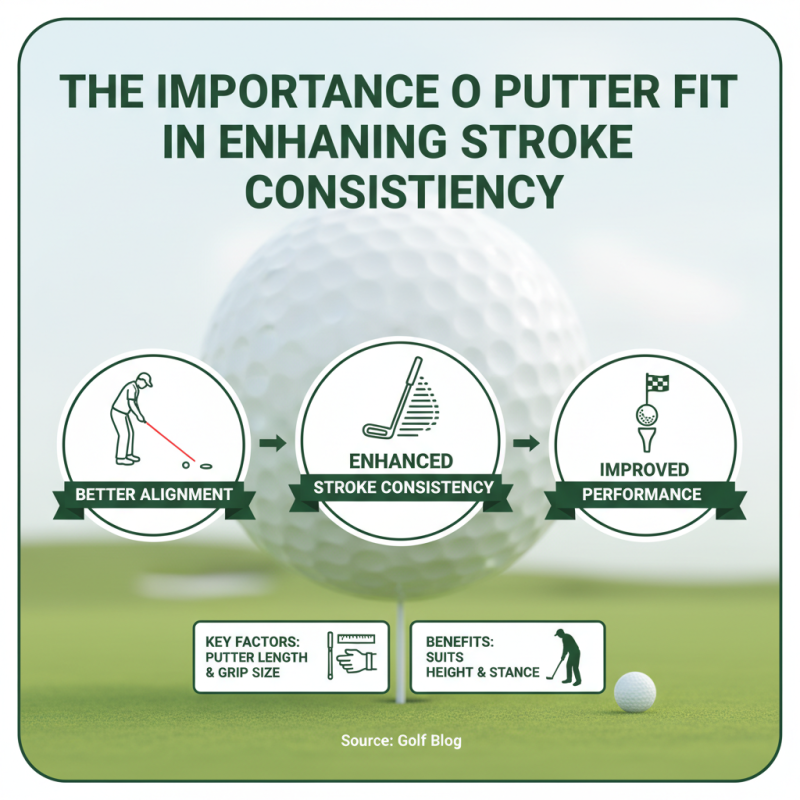
When it comes to golf, the putter is a critical part of your equipment. Choosing the right fit can significantly impact your performance. Many players underestimate this. A putter that suits your height and stance leads to better alignment and stroke consistency. Having the right length and grip is essential for controlling your shots.
Focus on how your putter feels during your swing. If it feels awkward, your confidence may take a hit. Misalignment can lead to poor putts and, ultimately, higher scores. It's not just about looks or brand; it’s about how well it fits your unique style. Each golfer has different needs based on their game style and body mechanics. Taking the time to find the right fit can reveal hidden potential in your game.
It's important to test different models. Sometimes what feels right at first might be off after a few rounds. Prioritize comfort and balance. If you struggle with consistency, it may be time for an evaluation. Reflect on your current putter. Does it enhance your performance, or does it create more frustration? The right fit can transform your strokes from erratic to reliable.
Understanding Different Putter Types and Their Advantages for Players
Choosing the right putter can significantly enhance a player's golf game. Understanding the different types of putters is crucial. A blade putter offers precision and a traditional feel. Many pros appreciate its simplicity. Yet, it's not always easy to control.
Mallet putters, on the other hand, provide more stability. Their larger heads help with alignment and forgiveness on off-center hits. Players may feel more confident with this design. However, some golfers may struggle with the bulkiness, impacting their swing comfortably.
Players often overlook the importance of grip style. A proper grip can improve consistency. Standard grips are versatile, while oversized grips can aid those with discomfort. Finding the right fit can lead to noticeable improvement. Testing various models at a local shop can provide valuable insights. Mistakes happen when players rush their choice, so time is well-spent in this process.
Impact of Different Putter Types on Game Performance
Key Metrics: How Putter Weight and Length Influence Performance
When it comes to improving your golf game, choosing the right putter is crucial. Two key metrics that significantly influence performance are putter weight and length. Studies show that the optimal putter weight can vary among players. A 2019 report by the Golf Research Institute indicated that a putter weight between 330 to 350 grams tends to enhance stability and control, helping players achieve a more consistent stroke.
Length is another critical metric. According to data from the Professional Golf Association, a putter's length directly affects the player's posture and alignment. Using a putter that is too long or too short can lead to poor mechanics. Many golfers inadvertently choose incorrect lengths, impacting their aim. The ideal length often aligns with the player's height and stance, ensuring that they adopt a comfortable position during the putt.
Finding the perfect combination of weight and length is often a trial-and-error process. Players might feel tempted to stick with what they know, but experimenting with different configurations can yield unexpected improvements. Just because a putter worked for one player doesn't mean it will perform the same for another. This highlights the importance of personalized fitting to avoid common pitfalls in putter selection.
Why Choosing the Right Golf Putters Can Improve Your Game Performance?
| Putter Type |
Weight (grams) |
Length (inches) |
Performance Score (out of 10) |
Ideal Player Skill Level |
| Mallet |
350 |
34 |
9 |
Intermediate |
| Blade |
320 |
34 |
8 |
Advanced |
| Tour |
360 |
35 |
10 |
Professional |
| Counterbalance |
400 |
36 |
9 |
Intermediate to Advanced |
| Reverse Mallet |
340 |
34 |
7 |
Beginner |
The Role of Technology in Putter Design: Data and Player Feedback
In recent years, technology has revolutionized putter design. Advanced materials and manufacturing techniques enhance performance and precision. Sensors and analytics are now crucial in the design process. Data collected from players during simulations informs the creation of optimal putters. These tools help detect subtle faults in strokes, contributing to better feedback mechanisms.
Feedback from players is invaluable. The best designs emerge from a fusion of data and human experience. Players express their preferences, shaping how putters feel and respond. For instance, some prefer a heavier head for stability, while others favor a lighter feel for control. Each player's feedback provides insight into what makes a putter effective.
Yet, despite these advancements, not every player sees improvement. Some struggle to adapt to new technology. Others may not find a suitable fit for their unique style. Understanding this variability is essential. Golfers must be willing to reflect on their experiences and experiment with different designs to find their ideal putter.
Putting Statistics: How the Right Putter Can Lower Your Scores
Putting is a crucial part of any golfer's game. Choosing the right putter can significantly impact your performance. A putter that fits well can enhance your feel for the shot and improve accuracy. Many golfers struggle with consistent putting due to lack of proper equipment.
The right putter can change your overall experience on the green.
Recent statistics reveal that putting accounts for nearly 40% of total strokes in a round. This means that improving your putting can lead to lower scores. A well-matched putter can help create a more natural stroke. If you find yourself missing short putts frequently, it might be worth evaluating your putter choice.
Light adjustments in swing mechanics with a suitable putter can lead to meaningful score changes.
Selecting the right putter is more than just preference; it’s about performance. Each golfer has unique needs based on height, grip, and swing style. Testing various models can reveal surprising insights. You may discover that a putter you dismissed initially actually feels perfect.
Embrace the journey of finding the right fit, and you may see your scores drop in no time.