How to Choose the Right Golf Club for Beginners and Improve Your Game
Choosing the right golf club is a crucial step for beginners looking to enhance their game on the course. Golf clubs come in various shapes, sizes, and types, each designed to serve specific purposes and suit different skill levels. For newcomers, understanding how to select the appropriate clubs can be overwhelming, but it is essential for developing a solid foundation in this sport. With the right golf club, beginners can not only improve their performance but also enjoy the game more fully.
In this guide, we will explore the key factors to consider when selecting golf clubs that cater to novice players. From the importance of club length and flex to understanding the differences between drivers, irons, and putters, we aim to demystify the shopping process. Additionally, we will provide tips on how to test clubs and find the best fit. By making informed choices, beginners can boost their confidence and skill level, paving the way for a more rewarding golf experience. Whether you're just starting or looking to refine your skills, the right golf club can significantly impact your journey in the sport.
Understanding Golf Club Types: The Essential Categories for Beginners
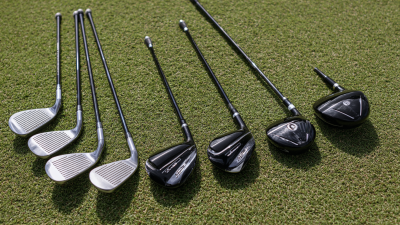
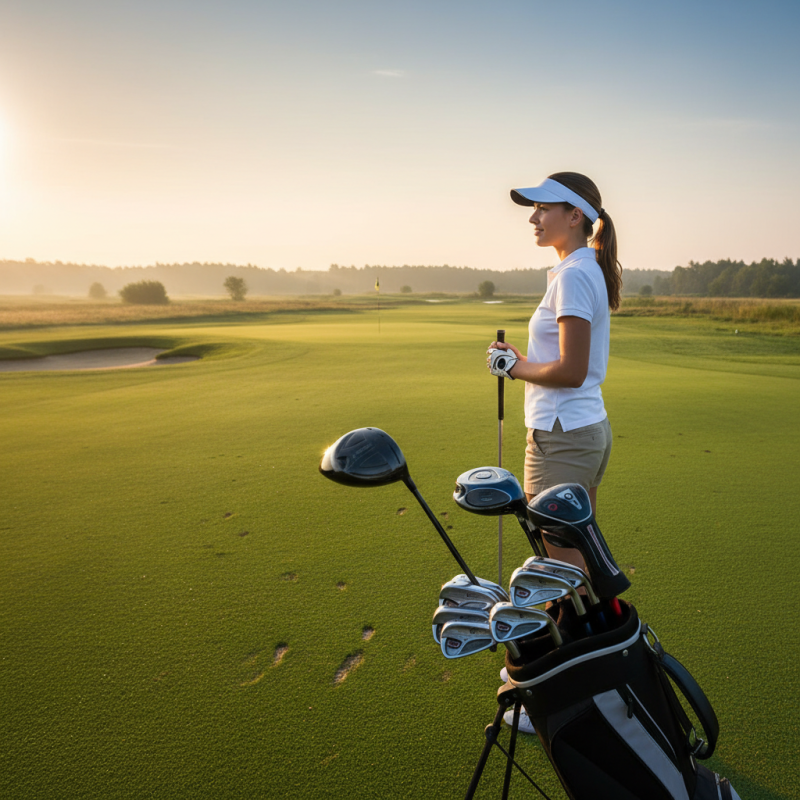
When starting out in golf, understanding the different types of golf clubs is crucial for improving your game. Golf clubs are generally categorized into three essential types: woods, irons, and putters. Each of these categories serves a specific purpose, and choosing the right ones can significantly affect your performance on the course.
Woods are typically used for long-distance shots and are designed to hit the ball from the tee or the fairway. They feature a larger clubhead and a longer shaft, which help generate distance. For beginners, a driver and a fairway wood are often the best starting points, as they provide the necessary loft and forgiveness to maximize distance on initial swings.
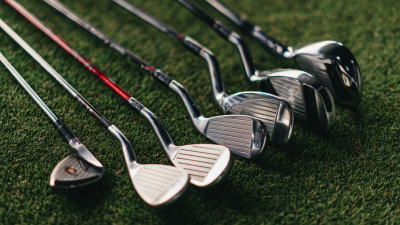
Irons, on the other hand, are used for approach shots and shorter distances, typically ranging from 3-9 irons. These clubs have a smaller clubhead and are ideal for more controlled shots that require precision. As a beginner, focusing on mid to short irons can help you develop accuracy and consistency. Finally, putters are essential for the short game, used on the green to roll the ball into the hole. Selecting a putter that feels comfortable can greatly enhance your confidence and performance around the greens. By gaining a solid understanding of these fundamental golf club types, beginners can make informed choices that enhance their overall golfing experience.
Beginner Golf Club Types and Their Usage
Key Features of Golf Clubs: What to Look for When Starting Out
When starting out in golf, selecting the right equipment is crucial for building a solid foundation. For beginners, understanding the key features of golf clubs can significantly enhance your playing experience. One of the main aspects to consider is the club's loft. Higher lofts make it easier to get the ball airborne, which is particularly beneficial for novice players who may struggle with distance and trajectory control. A set of clubs with varying lofts allows beginners to develop their skills across different types of shots.
Another important feature is the length and weight of the clubs. Beginners should opt for clubs that feel comfortable in their hands, as this can directly impact swing mechanics. Lighter clubs can help in generating speed and improving swing tempo, making it easier to focus on technique. It's also advisable to look for clubs with a larger sweet spot, as this helps in achieving good contact with the ball even on off-center hits, fostering confidence on the course. Ultimately, choosing clubs that prioritize forgiveness and ease of use will streamline the learning process, allowing beginners to enjoy the game while steadily improving their performance.
The Importance of Club Fit: How Length and Loft Affect Your Performance
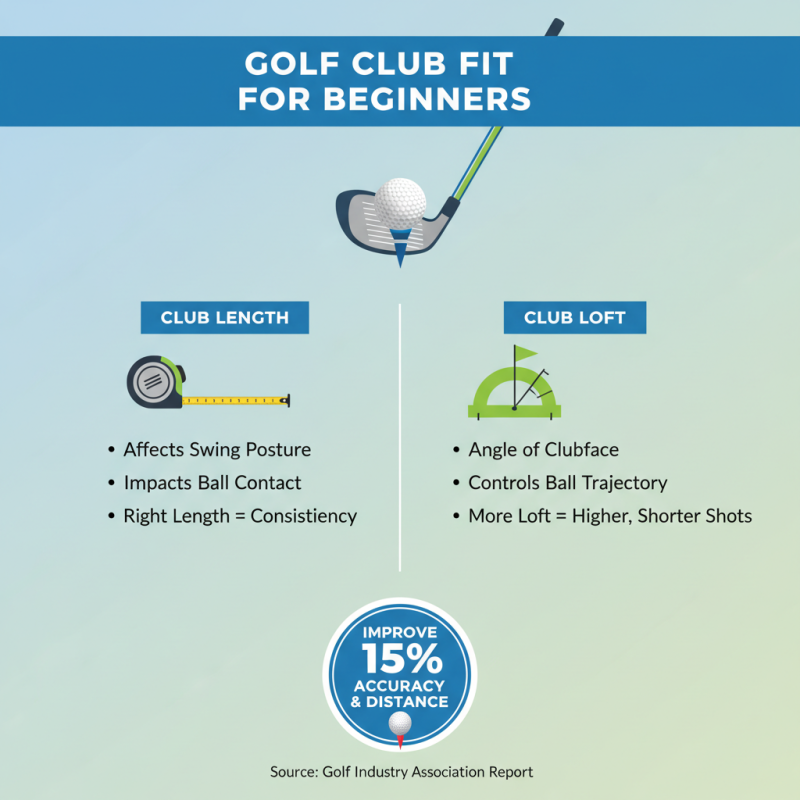
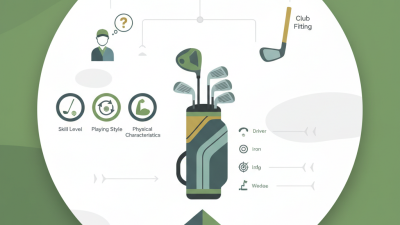
When it comes to selecting the right golf club for beginners, understanding the importance of club fit is crucial. Two of the most significant factors in club fitting are the length and loft of the club, both of which can greatly affect a player's performance on the course. According to a report by the Golf Industry Association, a well-fitted club can improve both accuracy and distance by as much as 15%. This emphasizes that for novice golfers, investing time in understanding how these specifications can enhance their game is vital.
Club length primarily affects a player's stance and swing mechanics. A club that is too long or too short can lead to poor posture, reducing swing efficiency and consistency. The correct length allows for a natural swing arc, helping beginners develop better techniques from the outset. On the other hand, loft plays a pivotal role in determining the trajectory and distance of the golf ball. Research from the United States Golf Association indicates that even a 1-degree difference in loft can yield variations in distance ranging from 3 to 5 yards. For beginners, selecting a club with appropriate loft is essential to maximizing their potential and ensuring they can get the ball into the air competently.
By understanding these fundamental aspects of club fitting, beginners can make more informed choices regarding their equipment, ultimately enhancing their enjoyment and performance in the game. As the adage goes, "It's not just about the swing; it's about the tools you use.
Swing Mechanics for Beginners: How the Right Club Enhances Your Game
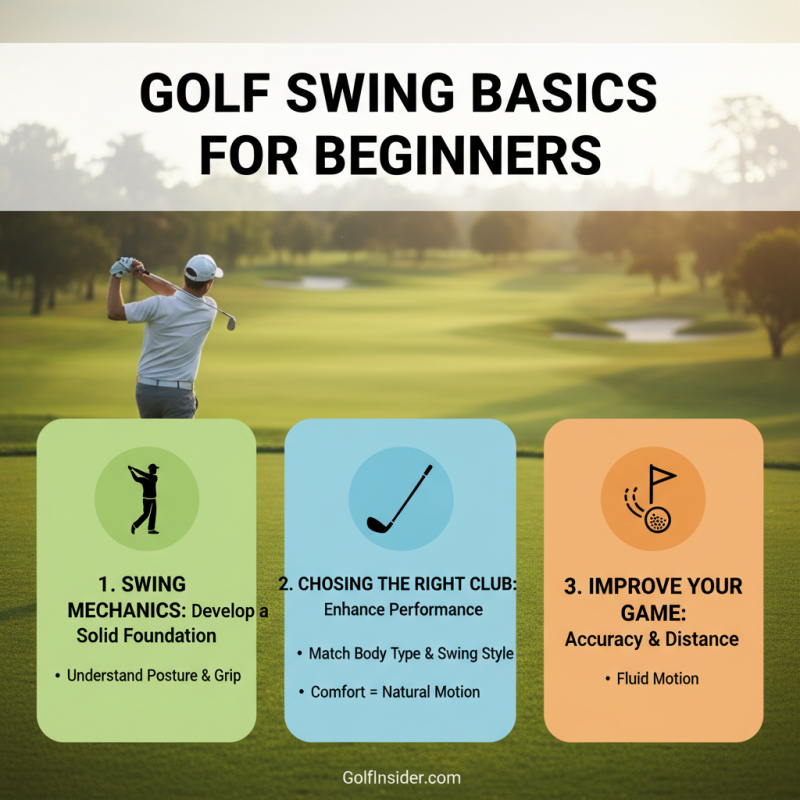
When starting in golf, understanding swing mechanics is crucial to developing a solid foundation. The right golf club can significantly enhance your swing and overall performance on the course. For beginners, choosing a club that suits your body type and swing style is essential. A club that feels comfortable in your hands can lead to a more natural and fluid motion during your swing, ultimately improving your accuracy and distance.
The design of the club, including its weight, length, and flexibility, plays a significant role in how your swing is executed. Lightweight clubs, for instance, allow beginners to generate more speed and control, making it easier to focus on proper swing mechanics rather than battling with an ill-fitting club. Additionally, clubs with a higher loft can help new players achieve a better launch angle, reducing the margin of error and boosting confidence with each swing. By selecting the right equipment, beginners can focus on mastering their swing technique, creating a more enjoyable and successful golfing experience.
Budgeting for Golf Clubs: Average Costs and Value Considerations for Starters
When starting your golf journey, budgeting for golf clubs is an essential step that can significantly impact your overall experience. For beginners, the costs of golf clubs can vary widely, with entry-level sets typically ranging from $200 to $800. It's crucial to balance quality with affordability; spending too little might result in lower performance, while overspending could stretch your budget too thin. Look for sets that include a driver, a few woods, irons, a putter, and a bag, as these provide a comprehensive starting package without the need to purchase individual clubs.
Tips: Consider buying used clubs or exploring discount retailers, which can greatly reduce your initial investment while still providing decent quality. Additionally, it's wise to consult with fellow golfers or instructors about your purchase to ensure you're making an informed decision. This peer interaction can offer insights into which clubs will help you improve your game.
As you identify your budget, remember to factor in ongoing costs associated with golfing, such as greens fees, lessons, and maintenance for your equipment. This way, you can develop a sustainable approach to the sport that encourages you to enjoy and improve your game. Investing in your skills through lessons can also be a valuable addition to your budget, leading to better mastery of the clubs you choose.