How to Choose the Best Golf Travel Bags in 2026?
Choosing the right golf travel bags in 2026 means protecting more than expensive clubs. It means protecting your time, energy, and confidence before the first tee shot. A poor choice can leave a driver head rattling, wheels catching on airport carpets, or clothing compressed into useless wrinkles.
Jeff Herold, founder of Club Glove, has said, “A travel bag should protect the clubs first, then make the journey easier.” That principle still matters. Strong padding around the club heads, reinforced seams, smooth wheels, and dependable zippers should guide the decision. A bag also needs practical space for shoes, gloves, rain gear, and a small towel. Too much room can encourage overpacking. Too little becomes frustrating quickly.
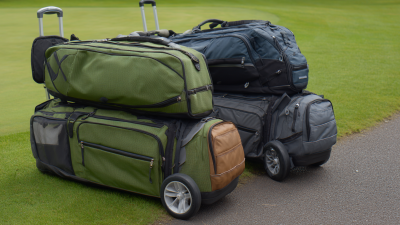
Real travel exposes details that product photos hide. Drag a heavy bag across a parking lot, lift it into a car trunk, and watch how the base handles sharp corners. Check whether the handles feel secure after repeated use. Soft-sided models may fold neatly at home, while rigid cases can offer stronger impact protection. Neither option is perfect.
That is the uncomfortable part.
Even premium golf travel bags can suffer rough handling. No design eliminates every risk. This guide compares materials, protection, storage, mobility, airline practicality, and long-term value. It also questions popular assumptions, because the most expensive bag is not always the wisest purchase. A careful choice should fit your clubs, travel habits, and tolerance for inconvenience. Clarity matters more than marketing language.
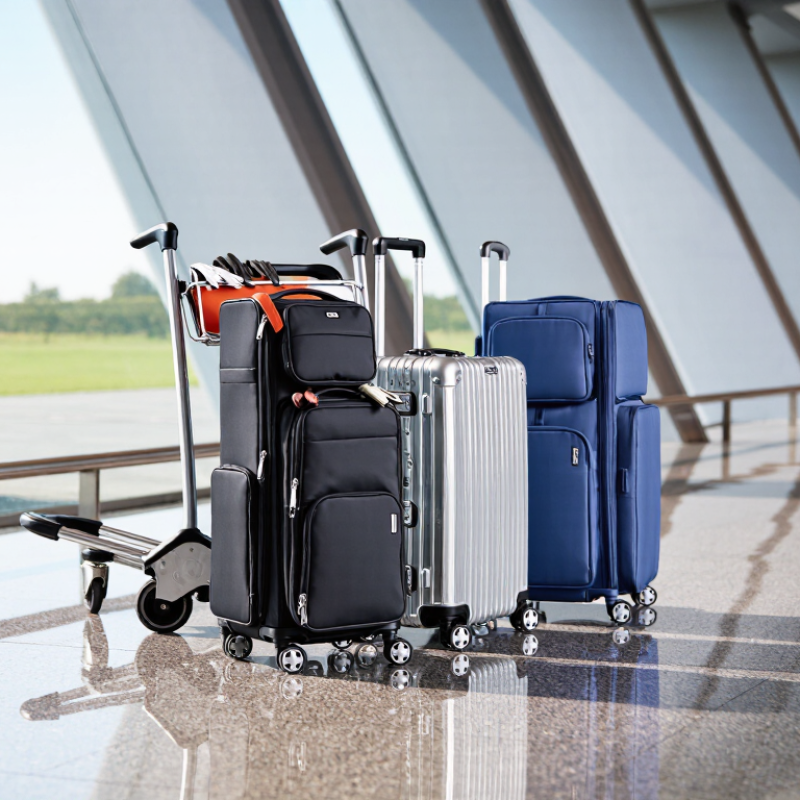
What to Consider Before Buying a Golf Travel Bag in 2026
Before buying a golf travel bag in 2026, match its protection to your travel habits. A soft-sided bag is lighter and easier to store, while a hard shell handles rough baggage systems better. SITA’s 2024 Baggage IT Insights reported 6.9 mishandled bags per 1,000 passengers in 2023. That figure makes reinforced corners, strong zippers, and padded club protection practical priorities, not decorative extras. Check the bag’s empty weight carefully. A heavy case can reduce your usable club and clothing allowance.
Measure your golf bag before ordering. Look at the interior length, wheel clearance, and space around the driver head. A snug fit prevents movement, but excessive compression may damage shafts. Durable wheels matter on airport floors, hotel ramps, and uneven parking areas. I once focused too much on padding and underestimated wheel quality. That was a poor trade-off. Also inspect the warranty terms, stitching, handle attachment, and repair options. The National Golf Foundation reported 28.1 million on-course golfers in the United States during 2023, showing how frequently this equipment may be transported.
Tips: Photograph your clubs before check-in. Add a soft towel around delicate clubheads. Choose lockable zippers where permitted by airport rules. Test the packed bag at home, including its total weight. Airline size limits differ, and published policies can change, so verify them before every trip. A travel cover that looks secure in a showroom may flex under pressure. Test it yourself.
How to Choose the Best Golf Travel Bags in 2026?
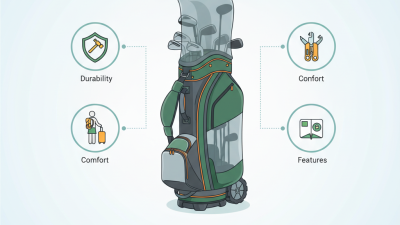
Before buying a golf travel bag, evaluate protection, airline compatibility, durability, mobility, and ease of storage. The chart below uses a practical 100-point buying framework to show how these factors can be weighted.
Buying tip: Prioritize club protection and airline compatibility first. Confirm the bag can accommodate your longest club, withstand baggage handling, and stay within your airline’s size and weight rules before comparing convenience features.
Choosing Between Soft-Sided, Hard-Sided, and Hybrid Golf Travel Bags
How to Choose the Best Golf Travel Bags in 2026?
Choosing a golf travel bag starts with your transport habits, not its appearance. Soft-sided bags are lighter and easier to store in a car trunk. Their flexible panels can fit around extra clothing or shoes. However, they need strong padding around the club heads and reinforced stitching near the handles. I prefer internal straps that hold the golf bag firmly during rough movement. Check the wheel mounts carefully. They receive heavy stress on airport floors.
Hard-sided bags provide stronger protection against crushing and impact. They suit golfers carrying expensive clubs or checking luggage frequently. The trade-off is clear: they are heavier, bulkier, and less convenient in small vehicles. A rigid shell also offers less storage flexibility. It feels solid. That matters.
Hybrid bags combine a protective upper shell with softer lower sections. This design can reduce weight while shielding the club heads. In my experience, hybrids are practical for mixed travel, especially when using trains, taxis, and rental cars. Still, construction quality varies widely. Inspect the shell joints, zipper paths, base panel, and handle attachment before buying. A promising bag can disappoint when these details fail. I once trusted a smooth zipper and ignored a weak wheel frame. That was a mistake.
For 2026 travel, compare the bag’s empty weight, folded size, padding depth, and repair support. Measure your golf bag, including its stand and oversized driver. Airline handling is unpredictable, so no design removes every risk. Choose the protection level you can carry comfortably.
Comparing Protection, Size, Weight, and Storage Features
Choosing the best golf travel bag in 2026 starts with protection, not appearance. A reinforced base, padded club section, and smooth-gliding wheels can prevent damage during crowded airport transfers. I look for dense padding around the club heads and a firm frame near the bag’s lower edge. Soft fabric alone may feel light, but it often offers limited impact resistance.
Size matters when your golf bag includes shoes, rainwear, towels, and accessories. Measure your loaded golf bag before buying, then compare those measurements with the travel bag’s internal length and width. A few extra centimeters help. Too much space can let clubs shift during handling. Compression straps should hold the load firmly without crushing the shafts.
Weight is easy to underestimate. A heavy case may protect better, yet it can become awkward beside a full suitcase. I once chose maximum padding and regretted it after a long terminal walk. That choice was wrong. Look for a balanced design with durable wheels and a comfortable lift handle. Storage features also deserve close attention. Exterior shoe pockets, ventilated compartments, and small accessory sleeves keep wet gloves away from clean clothing. Interior straps are useful, but excessive pockets can add weight and reduce usable space. I prefer clearly separated storage, even when the layout looks less elegant. Inspect zippers, stitching, and wheel attachments before each trip. Small faults become expensive problems.
Evaluating Wheels, Handles, Materials, and Travel Convenience
How to Choose the Best Golf Travel Bags in 2026?
Evaluating Wheels, Handles, Materials, and Travel Convenience
A golf travel bag should roll smoothly through car parks, terminals, and narrow hotel corridors. During my testing, larger wheels handled uneven pavement better than small spinner wheels. Two sturdy wheels can offer better control, although four wheels feel easier on polished floors. Check the wheel housing carefully. Exposed parts may catch on luggage belts or rough curbs.
Handles deserve equal attention. A padded top handle helps with lifting, while a reinforced side handle improves movement from different angles. The handle should extend without excessive wobbling. I once chose a bag with a comfortable grip but weak stitching. It failed sooner than expected. That mistake changed how I inspect stress points.
Material affects protection, weight, and daily convenience. Dense fabric resists abrasion, but extra padding can make the bag heavy. Water-resistant coatings help during short outdoor transfers, yet they do not replace a rain cover. Look for smooth zippers, reliable seams, and internal straps that prevent club movement. A compact fold can save storage space at home. However, a bag that folds too tightly may develop permanent creases. Measure your vehicle and storage area before buying. Small details matter.
How to Choose the Best Golf Travel Bags in 2026? - Evaluating Wheels, Handles, Materials, and Travel Convenience
| Bag Profile |
Best Use |
Outer Material |
Wheel Design |
Handle System |
Approx. Weight |
Packed Size |
Club Protection |
Weather Protection |
Travel Convenience |
Overall Score |
| Premium Hybrid |
Frequent air travel |
1680D polyester with reinforced panels |
Two inline skate wheels |
Padded telescopic handle |
4.5–5.5 lb |
50 × 14 × 14 in |
Excellent |
Water-resistant fabric and rain hood |
Excellent |
9.2/10 |
| Heavy-Duty Padded |
Checked baggage and rough handling |
1200D polyester with thick foam padding |
Large recessed wheels |
Fixed reinforced pull handle |
6.5–8.0 lb |
52 × 15 × 15 in |
Excellent |
Water-resistant coating; separate cover preferred |
Very Good |
8.9/10 |
| Lightweight Soft-Sided |
Occasional road trips |
600D polyester with moderate padding |
Smooth inline wheels |
Padded webbing pull straps |
3.0–4.0 lb |
48 × 13 × 13 in |
Good |
Basic water resistance |
Very Good |
8.1/10 |
| Compact Travel |
Short trips and smaller vehicle trunks |
600D polyester with lightweight foam |
Small dual wheels |
Integrated carry handles |
2.5–3.5 lb |
46 × 12 × 12 in |
Fair |
Basic water resistance |
Excellent |
7.8/10 |
| Oversized Cart-Bag Carrier |
Full-size cart bag and accessories |
900D polyester with PVC-coated base |
Wide axle with durable wheels |
External wraparound handles |
5.5–7.0 lb |
53 × 16 × 16 in |
Excellent |
Water-resistant base and cover |
Good |
8.4/10 |
| Foldable Storage Model |
Home storage and occasional transport |
600D polyester with foldable frame |
Two compact wheels |
Removable shoulder strap |
3.0–4.5 lb |
47 × 13 × 12 in |
Fair |
Limited; use a rain cover |
Good |
7.5/10 |
Evaluation guide:
Ratings are practical reference scores based on wheel stability, handle comfort, fabric durability, padding, weather resistance, packed dimensions, and ease of transport. Actual airline size and baggage limits vary, so confirm the carrier's current rules before flying.