How to Choose the Best Youth Golf Clubs for Beginners?
Choosing the right youth golf clubs can significantly impact a young golfer's development and enjoyment of the game. These clubs are designed to cater to the unique needs of children and teens. Selecting suitable youth golf clubs requires careful consideration of several factors.
When looking for youth golf clubs, one must evaluate the child's height, strength, and skill level. Clubs that are the right size help improve stance and swing. This empowerment leads to a better golfing experience. Weight and flexibility also play crucial roles. Clubs that are too heavy or stiff can discourage young players. Moreover, it’s essential to consider the club's material, as quality affects performance and durability.
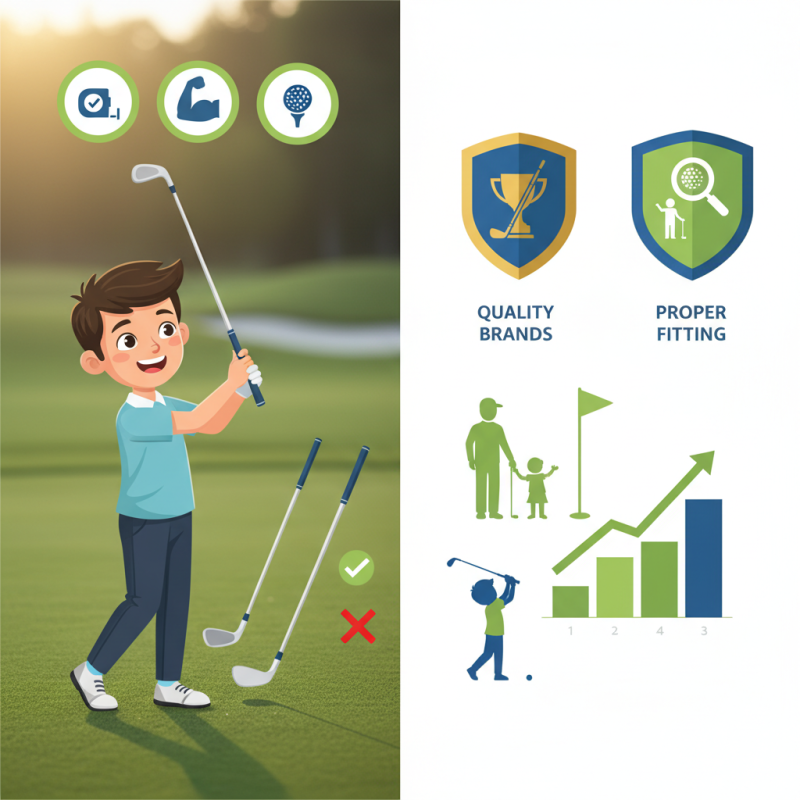
However, many parents overlook the importance of proper fitting and quality brands. They often choose the cheapest options, thinking it’s sufficient. This lack of attention might hinder their child's progress in the sport. It is worth investing time and resources into researching reliable youth golf clubs that encourage growth and confidence on the course.
Understanding the Importance of Properly Fitting Golf Clubs for Youth
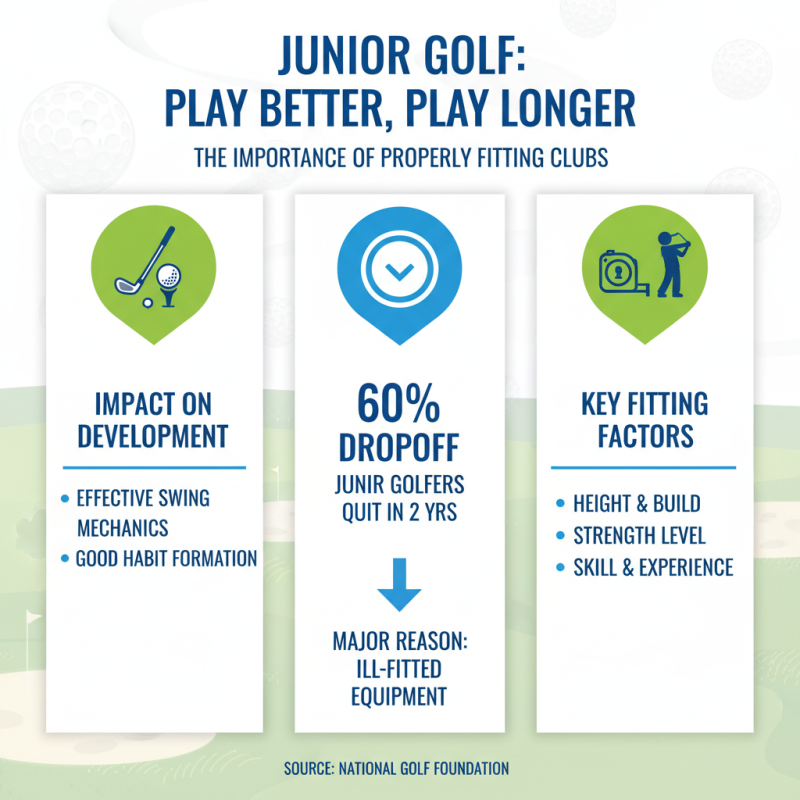
Choosing the right golf clubs for youth can significantly impact their development in the game. Properly fitted clubs ensure that young players can swing effectively and develop good habits. According to a report from the National Golf Foundation, about 60% of junior golfers quit within the first two years. Improperly fitted equipment can be a major reason behind this drop-off. Youth clubs must match a child's height, strength, and skill level to encourage consistent play.
Proper fitting includes club length, weight, and grip size. For instance, a child who is too tall for their clubs may struggle with accuracy. A study in the Journal of Sports Science found that optimal performance comes from clubs that suit the player's physical characteristics. Grips that are too large can hinder the ability to feel the club during a swing. Therefore, consulting a professional fitter who understands youth dynamics is vital for fostering enjoyment in the game.
However, it's not always easy to find the best fit. Some parents might feel pressured to overspend or rely on ill-informed advice. An ill-fitted club can lead to frustration. Reflecting on personal experience, many juniors face challenges with clubs that are not adjusted correctly over time. This mismatch can not only affect their confidence but can ultimately deter them from pursuing the sport. Ensuring the right fit from the beginning is crucial for their long-term engagement and success in golf.
Key Factors to Consider in Youth Golf Club Selection
Choosing the best youth golf clubs for beginners involves several key factors. One crucial aspect is club length. According to the USGA, proper club length improves swing mechanics. A club that’s too long or too short can lead to poor form and frustration.
Another factor is the grip size. Young golfers need grips that allow for control and comfort. The wrong size can hinder progress and creating bad habits. Research indicates that kids using appropriately sized grips see better performance and enjoyment, enhancing their learning experience.
Material and flexibility also play vital roles. Clubs made from lightweight materials are easier to handle. Flexibility in shafts aids in improving swing speed. A 2022 report from the National Golf Foundation reveals that youth golfers with lightweight clubs enjoy longer practice sessions. They tend to develop a more positive attitude toward the sport. Selecting the right youth golf clubs is not just about quality; it’s about fostering an enjoyable learning environment.
Evaluating Material Quality: Graphite vs. Steel Shafts for Beginners
When choosing youth golf clubs for beginners, the shaft material significantly impacts performance. Graphite and steel are the primary options available. Graphite shafts are lighter, making them easier for young players to swing. According to a recent industry report, approximately 65% of junior golfers prefer graphite for its lightweight nature. This preference often leads to improved swing speeds and better overall distance.
On the other hand, steel shafts offer more stability and are often perceived as more durable. These shafts tend to provide better feedback, which can help beginners develop a proper feel for their shots. Research indicates that around 75% of experienced players favor steel for its performance consistency on the course. However, beginners might struggle with the added weight of steel shafts, which could lead to premature fatigue.
It's important to weigh these materials against the individual needs of young golfers. For instance, a player who is physically stronger may perform well with steel shafts. However, many young players might find graphite enhances their enjoyment of the game. This choice can significantly influence their development and long-term engagement with golf.
How to Choose the Best Youth Golf Clubs for Beginners? - Evaluating Material Quality: Graphite vs. Steel Shafts for Beginners
| Shaft Material |
Weight |
Flexibility |
Vibration Damping |
Durability |
Cost |
| Graphite |
Lightweight |
High Flexibility |
Excellent Damping |
Moderate Durability |
Higher Cost |
| Steel |
Heavier |
Less Flexible |
Moderate Damping |
High Durability |
Lower Cost |
Assessing Club Length and Weight for Optimal Performance
Choosing the right youth golf clubs is crucial for young beginners. Club length and weight play a significant role in performance. The right length helps maintain a proper stance. A club that is too long or too short can lead to poor swings and frustration. Weight is equally important. A lighter club can boost swing speed, especially for younger players.
When assessing club length, measure from the ground to the child’s wrist when their arms hang naturally. This ensures a comfortable grip. Many parents overlook this step. An incorrect length can hinder confidence and progress.
For weight, consider the young golfer's strength. If a child struggles to lift the club easily, it can affect their overall swing. A heavier club might seem more powerful, but it can lead to fatigue. Regularly evaluate their comfort with the clubs. Remember, practice should feel enjoyable, not exhausting.
Tips: Always encourage your child to try different clubs at a local range. Observe how they perform with various lengths and weights. Don’t rush the decision. Patience can lead to better experiences and improved skills.
How to Choose the Best Youth Golf Clubs for Beginners?
This chart illustrates the optimal club weights for various lengths of youth golf clubs. Choosing the right weight in relation to club length is crucial for beginners to enhance their performance and comfort during play.
Budgeting: Finding Quality Youth Golf Clubs Without Overpaying
When searching for youth golf clubs, budgeting is crucial. Finding quality without overspending can seem daunting. First, define your budget. Consider what you can realistically spend. A well-defined budget helps narrow your options. You don’t have to break the bank to find a suitable set.
Look for used clubs or rentals. Many shops offer affordable second-hand options that are still in great condition. This approach lets young players try different styles without committing to a high price. Additionally, ask local golf coaches or club members for recommendations. Their experience can guide you to reliable vendors.
Pay attention to club fit. Clubs must match the player's height and swing style. A poorly fitting club can lead to frustration. Invest time in research before purchasing. Read reviews online and consult knowledgeable individuals. Balancing quality and cost may take time, but it’s worth it for young golfers.