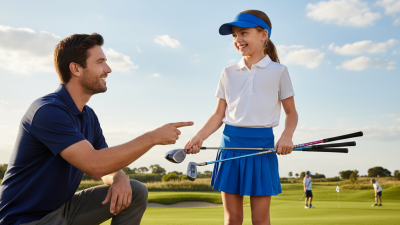
How to Choose the Best Kids Golf Clubs for Young Players
Choosing the right golf equipment is essential for young players starting their journey in the sport. The market for kids golf clubs has seen significant growth in recent years, reflecting a broader trend toward youth participation in golf. According to a report from the National Golf Foundation, over 6 million junior golfers participated in the game in 2022, showcasing a vibrant community of young athletes eager to learn and improve their skills. This increasing interest highlights the importance of selecting appropriate gear that promotes enjoyment and development.
Kids golf clubs differ from adult clubs in various aspects, including size, weight, and flexibility, making it crucial for parents and guardians to invest time in understanding these differences. Research indicates that using clubs that are specifically designed for children can lead to better performance and a more positive experience on the course. Properly fitted equipment caters to the physical needs and abilities of young golfers, enabling them to build fundamental skills while fostering a lifelong love for the game. As the youth golf demographic continues to flourish, the importance of choosing the best kids golf clubs becomes paramount for nurturing the next generation of golf enthusiasts.

Factors to Consider When Selecting Kids Golf Clubs
When choosing kids golf clubs, several important factors come into play to ensure young players have the best experience possible. Firstly, the size of the clubs is crucial. Clubs should be appropriately sized for the child's height and strength to promote good swinging technique and reduce the risk of injury. Consider clubs that have adjustable lengths or options that cater to a range of heights as kids grow quickly.
Another factor to consider is the weight of the clubs. Lighter clubs are generally easier for young players to handle, allowing them to practice their swing without becoming fatigued. The material used in the club’s construction can also influence its weight and durability. Ensure that the clubs are made from materials that can withstand regular use while remaining light and manageable.
Tips: When selecting kids golf clubs, you may want to involve your child in the process. Let them hold different clubs to see what feels comfortable. Additionally, consider starting with a few essential clubs rather than a full set; this allows children to focus on mastering basic skills before moving on to more specialized equipment. Lastly, always look for clubs with adequate grips, as this will help children maintain control during their swings.
Understanding Different Types of Kids Golf Clubs
When selecting the best kids golf clubs, understanding the different types available is crucial for young players' development and enjoyment of the game. Generally, kids' golf clubs can be categorized into three main types: junior sets, custom-fit clubs, and single clubs. Each type serves a distinct purpose based on the child’s age, height, and skill level. Research from the National Golf Foundation indicates that providing age-appropriate equipment can enhance kids’ engagement and performance, encouraging them to play more often.
Junior sets typically come in a complete package, including a variety of clubs such as drivers, irons, and putters designed specifically for younger players. These sets are often pre-measured for specific age ranges and heights, making them a popular choice for beginner golfers. Custom-fit clubs, on the other hand, are tailored to the individual’s measurements, promoting better swing mechanics and comfort. Studies have shown that clubs that fit properly can lead to an improvement in shot accuracy by as much as 25%, underscoring the importance of this option for developing players. Lastly, single clubs, like putters or wedges, can be advantageous for kids ready to refine specific skills, allowing for targeted practice and improved proficiency on the course.
Parents and coaches should consider these classifications while also keeping in mind a child's progression and enthusiasm for the game, as proper equipment can significantly influence their golf journey. By prioritizing the right type of clubs, young players can build confidence and enjoy their time on the course.
How to Choose the Best Kids Golf Clubs for Young Players - Understanding Different Types of Kids Golf Clubs
| Type of Club |
Recommended Age Group |
Club Length (inches) |
Typical Weight (lbs) |
Best For |
| Driver |
5-10 years |
36-40 |
1-1.5 |
Long distance hitting |
| Iron |
5-10 years |
30-34 |
1.5-2 |
Accuracy and control |
| Putters |
5-10 years |
28-32 |
1-1.5 |
Short game |
| Wood |
6-11 years |
34-38 |
1.5-2 |
Versatile play |
| Hybrid |
7-12 years |
32-36 |
1.5-2 |
Combination of iron and wood |
Importance of Club Length and Weight for Young Players
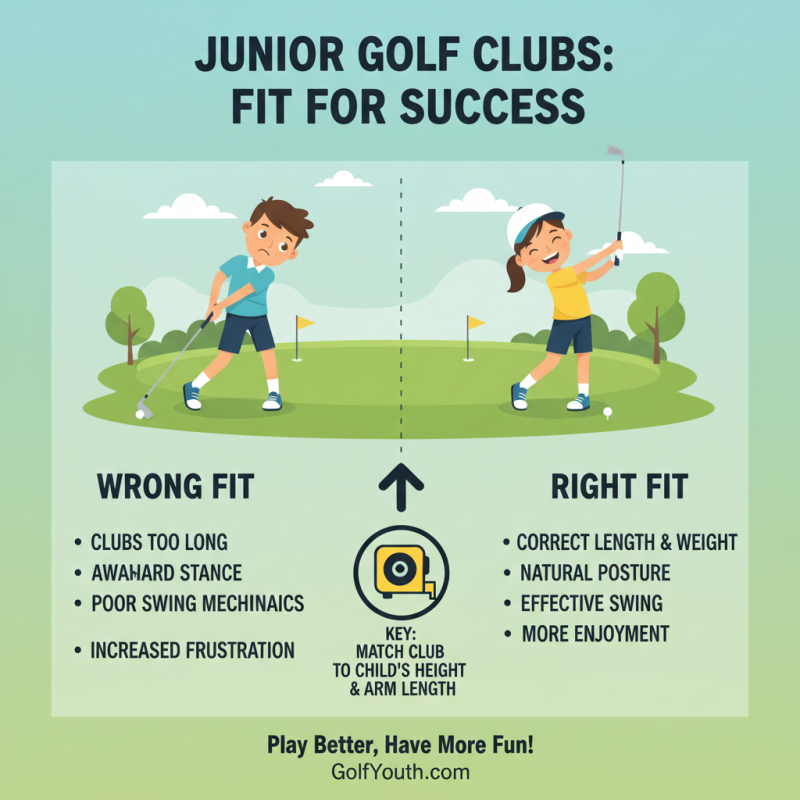
When selecting golf clubs for young players, the length and weight of the clubs are critical factors that directly influence their performance and enjoyment of the game. Young players are generally smaller in stature and developing physically, which means using adult-sized clubs can hinder their ability to swing effectively. Clubs that are too long can force children to adopt awkward stances, leading to poor swing mechanics and increased frustration on the course. Ideally, clubs should be adjusted to fit the child's height and arm length, ensuring they can comfortably reach the ball and maintain a natural posture during their swing.
In addition to length, the weight of the club plays a significant role in how well young players can control their shots. Lightweight clubs allow for easier maneuverability, enabling children to generate more swing speed without exhausting themselves. This is particularly important as it allows them to develop proper technique without the added strain of managing a heavier club. Choosing the right weight will not only enhance their performance but also help to boost their confidence as they engage with the game. Ultimately, ensuring that golf clubs are appropriately sized for young players fosters a positive learning environment and encourages a lifelong enthusiasm for golf.
Tips for Fitting Golf Clubs to Children’s Growth
When selecting golf clubs for young players, one of the most crucial factors is ensuring that the clubs fit properly to accommodate their growth. According to the National Golf Foundation, nearly 23% of golfers in the United States are under the age of 18, indicating a significant interest in the sport among youth. Given that children grow at varying rates, it's essential to choose clubs that can be adjusted or that cater to their specific height and strength at different stages of their development.
A study conducted by the American Junior Golf Association found that misfitting clubs can negatively impact a child's enjoyment and performance in the sport. For example, using clubs that are too long or heavy can lead to improper swing mechanics, potentially causing frustration or even injury. Ideally, parents should consider options that are adjustable or invest in golf sets designed specifically for children, which can offer a better combination of flexibility and comfort as they grow. Regular assessments of the child's size and skill level will ensure that they have the right equipment, allowing them to focus on developing their abilities on the course, thereby fostering a lifelong passion for golf.
Kids Golf Clubs Size Recommendations According to Age
Choosing the Right Material and Brand for Kids Golf Clubs
When selecting kids golf clubs, the material and brand play pivotal roles in ensuring that young players have the best experience possible. The right material can significantly affect the weight, durability, and performance of the clubs. For younger players, lightweight materials such as graphite are often recommended as they allow for easier swings and better control. These clubs can help reduce fatigue during play, enabling children to enjoy their game without feeling overwhelmed.
In addition to materials, the choice of brand can influence quality and availability of features specifically designed for young golfers. Brands that specialize in kids’ equipment often understand the unique needs of beginners, offering clubs that are appropriately sized and tailored for various age groups. It’s beneficial to look for reputable brands that prioritize safety and development, ensuring that the clubs promote a positive golfing experience.
Ultimately, the ideal combination of suitable materials and trusted brands will help cultivate a love for the sport in young players, setting them up for success on the golf course.