A 7 wood can bridge the gap between a fairway wood and a long iron, but its performance depends on more than loft. Head shape, face construction, shaft profile, and overall weight all influence launch, carry, and feel. For buyers comparing China-based manufacturers, these details deserve close attention. Small differences matter.
This guide introduces ten manufacturers for buyers exploring custom, OEM, or private-label golf clubs. It offers a practical starting point, not a certification or guarantee of quality. Compare each supplier’s product range, available materials, customization options, minimum order quantities, and sample process. Ask for clear specifications, including loft, lie, head weight, shaft choices, and grip details. A polished product photo cannot show how consistently a club is built.
Request samples when possible, then inspect the finish, alignment, and feel during use. Check how the supplier handles quality control, production updates, and questions about specifications. Independent testing or a factory visit may provide useful evidence, but availability varies by supplier. No shortlist can replace direct verification. Even a capable manufacturer may not suit every buyer’s budget, timeline, or market. Use the comparisons that follow to narrow your options, clarify expectations, and identify questions to ask before placing an order.
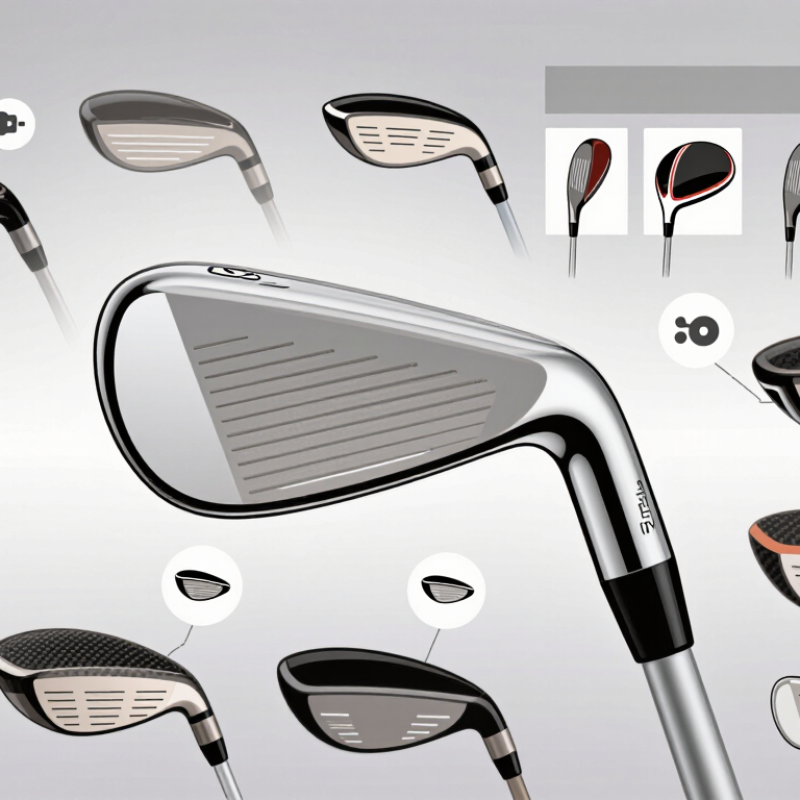
A 7 wood is a fairway club designed to launch the ball higher than many lower-lofted woods. Its loft often falls near 20 to 22 degrees, but specifications vary, so buyers should confirm the actual loft. The longer shaft can add distance compared with an iron, while the compact head remains useful from the tee or a clean fairway lie. It is not automatically easier for every golfer.
Evaluate the head, shaft, and build as a complete club. A shallow face and sole that moves smoothly through turf may suit players who often hit from grass. Check shaft length, weight, and flex against the intended user, not just a catalogue description. Small details matter. Grip size and head balance can change comfort and control. Ask for measurable specifications, material details, and consistent production checks.
Test samples with the same balls and similar lies. Compare carry distance, launch, and left-to-right dispersion, rather than relying on one impressive shot. A launch monitor can help, but it cannot fully reproduce course conditions. That limitation is easy to overlook. Buyers should also inspect finish quality, alignment features, and how securely the head and shaft feel assembled. If results differ between samples, investigate the cause before placing a large order.
China’s golf club manufacturing industry serves buyers through engineering, prototyping, and production support. For a 7 wood, buyers can discuss head shape, loft, face material, shaft options, grip size, and finish before approving a sample. A capable supplier should explain which changes may affect launch, feel, or consistency, rather than simply accepting every request. Details matter.
Factories may handle machining, polishing, painting, assembly, and inspection, while some steps rely on partner workshops. Ask for a process map and confirm who checks each stage. A sample can reveal balance and finish, but it cannot prove every production batch will match. Request written tolerances, inspection records, and clear packaging specifications. Small differences show.
For overseas buyers, practical service also means responsive communication, realistic lead times, and documentation that matches the order. Compare quotes carefully: lower prices may reflect different materials, testing, or included services. Video calls and factory visits help, but neither replaces checking an approved sample against delivered goods. Allow time for revisions; fitting a club to a player is not always solved by changing one specification. The industry offers flexibility, though buyers still need to verify claims and document decisions.
When evaluating a Chinese 7 wood manufacturer, request a written specification before discussing price. It should list loft, lie angle, head weight, face material, shaft options, grip size, and tolerances. Ask how each measurement is checked, not merely whether the factory can meet it. A sample should be measured, hit-tested, and compared with the approved reference. Small details matter. A two-gram head-weight difference may change feel, while inconsistent loft can affect launch and distance. The R&A’s Global Golf Participation Report 2023 tracks golf participation across 146 countries and territories, a reminder that target-market needs can vary. Define your preferred ball flight and player profile before approving tooling.
Review the factory’s quality records and ask for inspection results from recent production batches. Check whether it documents incoming materials, in-process checks, and final inspection, with clear procedures for rejected parts. Request a pilot run and compare several clubs for finish, alignment, sound, and measured specifications. Ask about mold ownership, production lead times, minimum order quantities, and how design changes are recorded. These details can expose hidden costs early. A factory tour or independent audit may help verify the process, though a polished showroom proves little. I would still ask twice. Agree on packaging, spare components, and defect handling in writing before placing a larger order.
Use these criteria to compare potential suppliers. Specifications, production capabilities, prices, and lead times vary by supplier and should be confirmed directly.
| Selection Criterion | Why It Matters | What Buyers Should Request or Verify | Useful Evidence |
|---|---|---|---|
| 1. 7-Wood Product Experience | A 7-wood is a fairway wood, and its loft, head shape, and intended use can differ across product designs. Relevant experience helps a supplier discuss the specific design rather than rely on a generic club sample. | Ask for examples of comparable fairway woods and confirm whether the supplier can produce the requested head, shaft, grip, and finish configuration. | Product samples, specification sheets, and production references. |
| 2. Loft and Club Specifications | A 7-wood generally has more loft than a 5-wood and less than a 9-wood, but exact lofts vary by model. Loft, lie, length, and head design affect how the club performs and fits a set. | Provide a written target specification and ask how the supplier measures and checks loft, lie angle, club length, and head weight. | Approved specification sheet and measurement records. |
| 3. Head Materials and Construction | Fairway-wood heads can use different metals and construction methods. Material choice and construction affect design, weight distribution, durability, and manufacturing cost. | Specify the required head material, construction, finish, and any inserts. Ask the supplier to identify the materials used in the sample and production parts. | Material declarations, drawings, and sample inspection. |
| 4. Shaft and Grip Options | Shaft material, flex, weight, length, and grip dimensions are key parts of a club specification. Available options depend on the supplier and the components selected. | Confirm the exact shaft and grip specifications, component sourcing, installation method, and whether substitutions require approval. | Component list and approved pre-production sample. |
| 5. Customization and Tooling | Custom logos, colors, finishes, and head designs may involve different processes, tooling, costs, and minimum order quantities. | Ask which changes use existing tooling, which require new tooling, who owns custom tooling, and how artwork and color approvals are handled. | Written tooling terms and approved artwork or sample. |
| 6. Quality Control and Traceability | Documented inspection steps can help identify variation in dimensions, finish, assembly, and packaging before goods are shipped. | Ask for the inspection plan, acceptance criteria, defect-handling process, and batch or production-lot identification method. | Inspection records, sample reports, and traceability details. |
| 7. Samples and Approval Process | A physical sample allows buyers to review fit, finish, feel, assembly, and packaging before approving a production order. | Clarify sample cost, development time, revision limits, shipping arrangements, and whether production will match the approved sample. | Signed sample approval and retained reference sample. |
| 8. Capacity, MOQ, and Lead Time | Minimum order quantities and delivery schedules depend on the supplier, materials, customization, and production plan; they are not fixed across the industry. | Request the MOQ by configuration, a production schedule, the expected reorder lead time, and written notice procedures for delays. | Quotation and dated production schedule. |
| 9. Compliance and Certification Checks | Certification claims should be checked for authenticity, validity, and scope. If clubs are intended for competition, applicable equipment rules and conformity requirements should also be reviewed. | Request relevant certificates and verify the issuing body, certificate scope, expiry status, and whether the specific club design meets the requirements for its intended market and use. | Current certificates and independent verification where applicable. |
| 10. Pricing, Packaging, and Shipping Terms | A comparable quotation should make clear what is included. Packaging, freight arrangements, payment terms, and trade terms can affect the delivered cost and responsibilities. | Request a detailed quotation showing configuration, packaging, tooling or sample charges, payment milestones, delivery terms, and shipping assumptions. | Itemized quotation and written order terms. |
Buyer note: Compare suppliers against the same written specification and sample-approval process. Do not treat unverified production figures, certifications, or delivery promises as guaranteed facts.
A buyer comparing Chinese 7 wood golf club manufacturers should look beyond catalog photos. These ten supplier profiles highlight different capabilities to verify. The tooling-focused maker can adjust head shape and sole geometry for a buyer’s preferred turf interaction. The casting specialist should explain material choices and show consistent crown and face finishing. The custom-assembly factory may offer flexible shaft lengths, grip options, and swing-weight adjustments. The volume-oriented producer suits repeat orders, but buyers should check sample consistency before scaling. The small-batch workshop can support limited runs. Its lead times may vary.
The quality-control-led supplier should document loft, lie, head weight, and visual inspection steps. The shaft-matching specialist can help balance launch and feel across a set. The export-experienced manufacturer may communicate clearly about packing and order schedules, though experience still needs checking. The design-support team can turn a drawing into a prototype, but revisions may add time. The value-focused factory may offer competitive pricing; ask what materials and finishing are included. Request a sample, specification sheet, and clear production timeline from each candidate. A 7 wood can look right on paper and still feel wrong at address. Test it.
A 7 wood commonly has a loft of about 21°. The values shown are approximate typical specifications; actual lofts vary by model and manufacturer. Use them as a general reference when comparing 7 wood options.
When comparing Chinese 7 wood golf club suppliers, request the same specification from each. Include loft, head material, shaft flex, grip size, and finish. This makes quotations easier to compare. A low unit price can hide tooling fees, packaging costs, or a high minimum order quantity. Ask for a written breakdown. Details matter.
Check how each supplier controls production quality. Request a sample and inspect the clubhead, paint edges, face grooves, shaft alignment, and grip placement under good light. Ask how loft and lie angles are measured, and what inspection records accompany an order. A polished sample is useful, but it cannot prove every production unit will match. Ask whether pre-shipment checks are available, and agree on acceptable tolerances in writing.
Before placing an order, confirm sample approval, production time, payment milestones, packaging, and the process for handling defects. Keep the final specifications and approved sample reference in the purchase documents. If possible, begin with a modest order; it can reveal communication or consistency issues before a larger commitment. This may cost more per club. It is not a perfect safeguard, but surprises are easier to manage early. Ask for progress updates at agreed stages, and clarify who pays for any rework before production starts.