Skip to content

What is the Best Way to Buy Second Hand Golf Clubs?

When it comes to purchasing second hand golf clubs, many players seek value and quality. The market offers a range of options, but not all are worth your time. Knowing how to navigate this landscape is essential.

Finding the right second hand golf clubs can be challenging. You may encounter clubs that look great but perform poorly. Some might be over-priced or worn out, making your investment questionable. Consider what you truly need in a set.

Research is vital in this process. Look for trusted retailers or platforms. Pay attention to customer reviews and ratings. By taking your time and doing proper checks, you can discover excellent second hand golf clubs that enhance your game without breaking the bank.
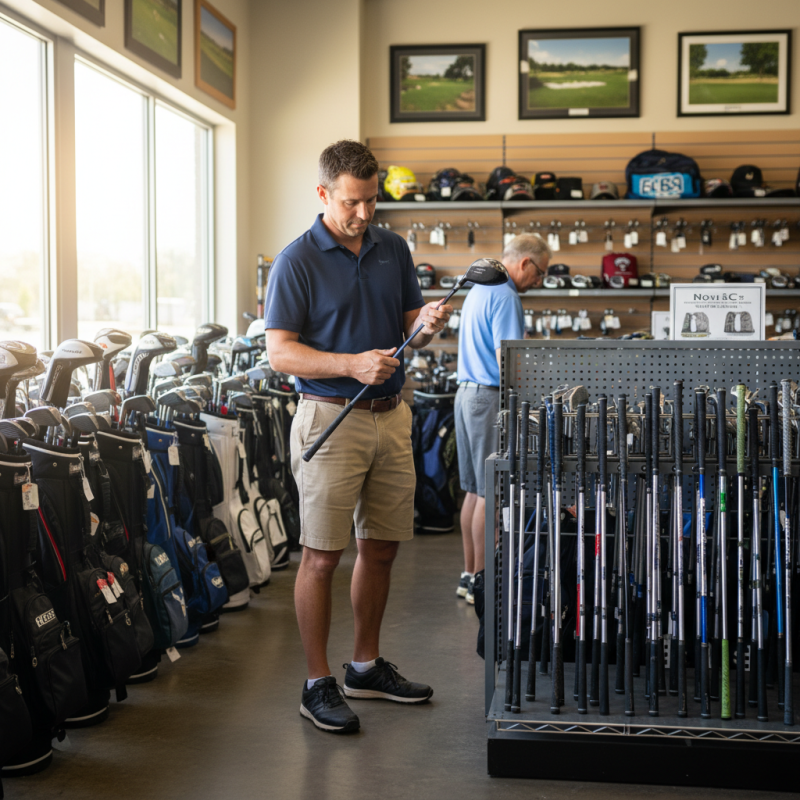
What is the Best Way to Buy Second Hand Golf Clubs?

How to Assess the Quality of Used Golf Clubs Before Purchase

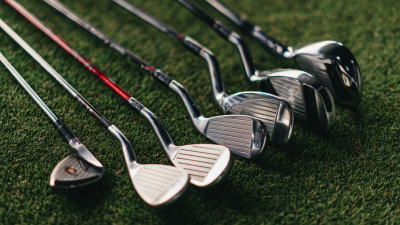
When buying second-hand golf clubs, assessing their quality is crucial. Look for visible signs of wear. Check the club heads for scratches and dents. Pay attention to the shafts too. Any bends or frays could affect performance. Grip condition is important as well. Worn grips can diminish your control.

Tips: Always ask the seller about the club's history. Understanding how often they were used can inform your decision. Some clubs may have been mistreated or neglected.

Take the time to hold the clubs. Feel how they balance in your hands. A well-balanced club will enhance your swing. Consider testing them at a range if possible. This gives you a real sense of their performance. Remember, not every club will fit your playing style.

Tips: Don’t rush the buying process. It can lead to regrets later. If something doesn’t feel right, walk away. Trust your instincts when assessing quality. Each club has its own story. Make sure it aligns with your needs.
Understanding Different Types of Golf Clubs and Their Second-Hand Value

What is the Best Way to Buy Second Hand Golf Clubs?

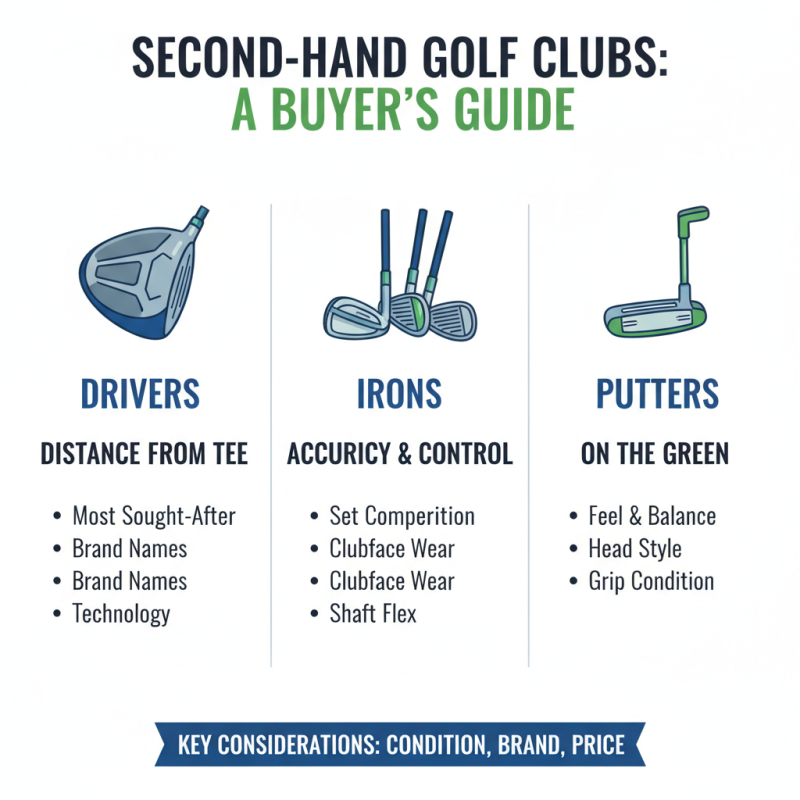
When considering second-hand golf clubs, understanding the different types is crucial. There are three main categories: drivers, irons, and putters. Each has unique features and varying second-hand values. Drivers are often the most sought after. They influence distance off the tee. Players might look for brand names or specific technologies, which can inflate prices.

Irons come next. They include a set of clubs with varying head designs. Some sets may have more wear than others, affecting their value. Evaluating the condition of the grooves and the shaft is essential. Putter options tend to vary widely, with some styles being more popular. Condition impacts value here too. A putter that shows significant wear may not perform as well, raising questions about its price.

Buyers often overlook the subtle signs of wear. Scratches, rust, or even the grip can affect playability. Trying clubs before purchasing is wise. It isn't just about the brand; it's about the feel. Investigating all options is necessary. Each type has its advantages, but personal comfort should always come first. Making informed decisions can lead to better purchases.

Where to Find Reliable Sources for Buying Second Hand Golf Clubs

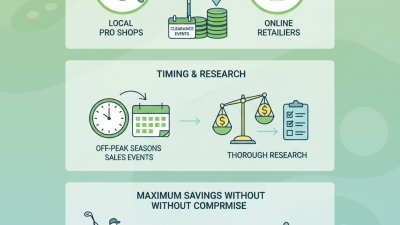
When buying second-hand golf clubs, finding reliable sources is crucial. Local sporting goods stores often have a section dedicated to pre-owned clubs. These shops usually inspect the clubs before selling them. This can save you from purchasing faulty equipment. Still, remember to check the condition of the clubs yourself; a quick visual inspection can reveal a lot.

Online marketplaces are another option. They can offer a wide variety of clubs. However, always research the seller's reputation. Look for reviews or ratings. Never hesitate to ask for detailed photos. Some sellers might not provide adequate information or may overstate the condition. It’s important to remain cautious.

Tips:
When buying online, focus on listings with clear images. It helps you gauge the club's wear. If possible, try to meet in person for local purchases. This way, you can test the clubs before buying. Additionally, consider joining local golfing groups or forums. Members often sell their used clubs. Here, you can find trusted sellers.

Tips for Negotiating prices when Buying Used Golf Clubs

What is the Best Way to Buy Second Hand Golf Clubs?

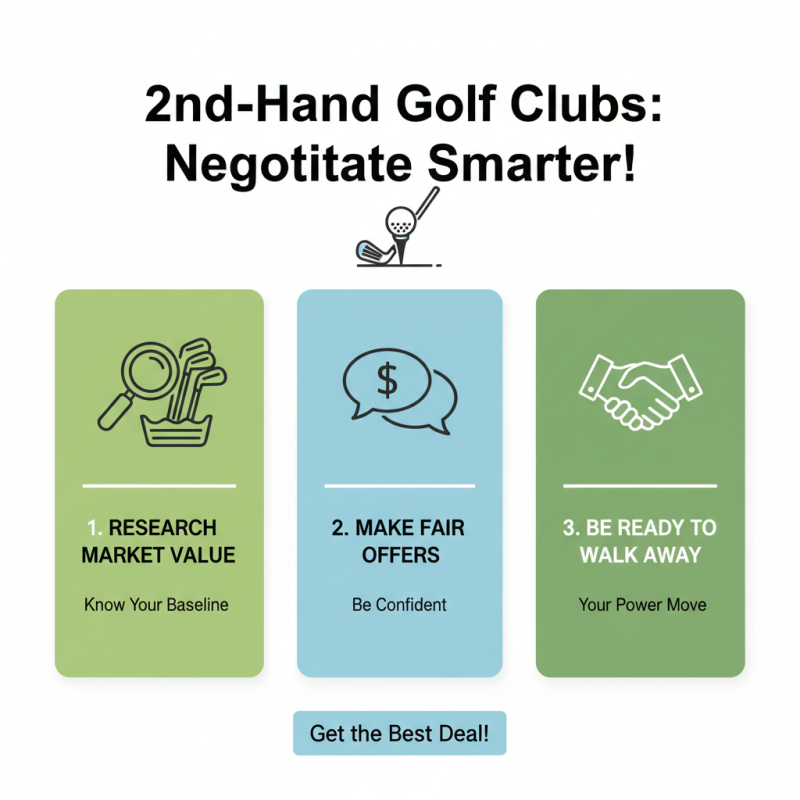
Negotiating prices for second-hand golf clubs can be tricky. You want a good deal, but the seller has their own expectations. Start by researching the market value of the clubs you want. This gives you a solid baseline to negotiate from.

When you inspect the clubs, look for signs of wear. Dents or scratches can lower their value. Use these details in your conversation. If you notice something off, mention it. Sellers may lower the price if you express concern about condition.

Another tip: be prepared to walk away. This puts pressure on the seller to reconsider their price. A genuine offer might just change their mind. Don't forget to listen too. The seller might have their own stories or reasons for their price. Keep things friendly but firm. Sometimes, a little laughter can ease the tension.

The Role of Club Condition Ratings in Second Hand Golf Club Purchases

When shopping for second-hand golf clubs, understanding the condition ratings is essential. Condition ratings provide a clear idea of what to expect. Clubs rated as "excellent" might show minimal wear, while "fair" clubs could have noticeable scratches. Knowing these details helps avoid disappointments.

Buyers should be cautious. A club labeled as “good” might still have hidden flaws. Inspecting photos closely is critical. If possible, test the clubs before purchasing. Feel the grip and check the shaft's stability. An impulsive buy can lead to regret later.

Communicate with sellers. Ask about the club's history and usage. This information can reveal more than the rating itself. Remember, a lower price may be appealing, but condition matters greatly. Each club tells a story; understanding it can enhance your game.