Best Junior Golf Clubs for Young Players in 2026?
As more young players take to the greens, the demand for high-quality junior golf clubs has surged. Choosing the right equipment can greatly impact a child's development and enjoyment of the game. Junior golf clubs must fit a young player’s size and strength, ensuring better swing mechanics and confidence on the course.
In 2026, a variety of options are available to meet diverse needs. Many brands now focus on creating lightweight, durable clubs specifically designed for juniors. Parents and coaches should pay attention to club length, weight, and flexibility. Each factor plays a vital role in enhancing a child's performance and learning experience.
However, the plethora of choices can be overwhelming. Some players might feel pressured to choose the latest models, but it’s important to prioritize comfort and usability over trends. Investing in junior golf clubs that suit an individual player’s skill level and physical attributes is crucial. Reflection on these aspects can greatly improve both leisure and competitive play for young golfers.

Key Factors to Consider When Choosing Junior Golf Clubs
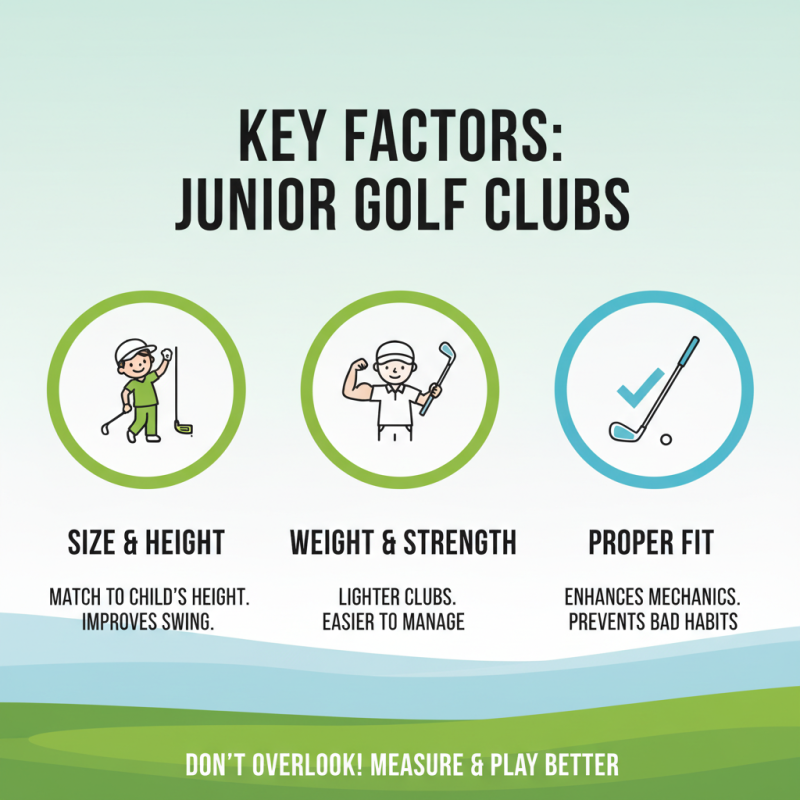
When selecting junior golf clubs, size is crucial. Clubs should match the height and strength of young players. A proper fit enhances swing mechanics. Parents often overlook this aspect. Clubs that are too long or heavy can hinder progress. Measuring the child’s height and posture aids in finding the right length.
Weight also plays an essential role. Lighter clubs are more manageable for young players. They help in building confidence and technique. Heavier clubs may lead to frustration. Material quality matters. Choose durable materials that can withstand wear and tear. Look for clubs designed with a forgiving face. This promotes better contact with the ball.
A key consideration is the type of club. Sets should include drivers, irons, and putters. A varied set encourages skill development. Focus on specific skills like driving and putting. This builds a solid foundation for young golfers. Investing in adjustable clubs can provide flexibility as they grow. Proper tools lead to a positive golfing experience.
Top Rated Junior Golf Club Brands for 2026
In 2026, young golfers deserve top-quality equipment that boosts their skills and confidence. The best junior golf clubs focus on lightweight materials, ensuring easy handling. These clubs are designed for smaller hands and stances, encouraging proper form and swing mechanics. Grip sizes and shaft lengths are tailored specifically for young players, making it comfortable for them to play.
Top-rated junior golf club brands prioritize safety and performance. They test each product rigorously. Clubs should offer flexibility and forgiveness, aiding young players in striking the ball well. Many designs now feature vibrant colors and patterns, appealing to the younger audience. This engagement can spark a lifelong love for the game.
Choosing the right clubs is crucial yet challenging. Parents often struggle to find the perfect fit for their child’s unique needs. It’s essential to consider the player’s height and strength. Clubs that are too heavy or long can hinder progress. Regular assessments of skill levels can help select more suitable options as kids grow and improve.
Essential Features of Junior Golf Clubs for Optimal Performance
When selecting junior golf clubs, key features impact performance. Weight and size are critical for young players. Clubs designed for juniors require lighter materials. This allows for better swing speed and accuracy. According to the USGA, using age-appropriate clubs can enhance learning and enjoyment.
Grip size is another essential element. A proper grip enables better control. Clubs with smaller grip sizes can help juniors maintain a secure hold. Research indicates that when players have the right grip, their confidence increases. This leads to improved shots and a more engaging experience.
Length adjustments are also vital. Players grow quickly, and clubs must adapt. Adjustable clubs can be beneficial, accommodating growth. A study from the PGA reveals that having the right length contributes to effective stance and swing mechanics. Without these adjustments, young players may struggle or become frustrated, impacting their overall interest in the sport.
Best Junior Golf Clubs for Young Players in 2026
| Feature |
Description |
Importance |
| Lightweight Materials |
Clubs designed with lightweight materials allow for better swing speed and control for young players. |
Enhances performance and reduces fatigue. |
| Adjustable Length |
Clubs with adjustable lengths accommodate growing players, ensuring comfort and proper stance. |
Critical for proper form. |
| Forgiveness |
Clubs designed with a larger sweet spot help minimize the effects of off-center hits. |
Increases confidence and enjoyment. |
| Color Customization |
Many models allow for personalized color options which appeal to younger golfers. |
Encourages interest and engagement. |
| Club Set Variety |
A well-rounded set includes drivers, irons, and putters specifically tailored for juniors. |
Provides comprehensive skill development. |
Comparative Analysis of Junior Golf Club Sets Available in 2026
Choosing the right junior golf club set is crucial for young players. In 2026, several options stand out. Aiming for lightweight materials is essential. These clubs need to be easy to swing, enhancing the learning experience. Brands have started incorporating advanced technology, making clubs more forgiving. Some sets even use flexible shafts to aid in distance and control.
Consider the variety of club types in each set. Young players benefit from having a mix of drivers, irons, and putters. This exposure helps them develop all aspects of their game. However, not all sets are created equal. Some may lack quality, causing frustration on the course. Parents should pay attention to user reviews and expert recommendations. A well-rounded set can make a significant difference.
Let's not ignore the importance of fit. Each child is unique in height and skill level. The proper length of clubs is vital for improving swing mechanics. Overly long or short clubs can lead to bad habits. Shorter players may struggle with standard lengths. Investing time in finding the right fit pays off in the long run. There are still challenges in finding quality sets that combine affordability with performance.